
You’ve had a difficult day. You open a shopping app for a quick browse, find something you like and start imagining how good it’ll feel when it arrives. By the time the order confirmation comes through, you’ve spent money you hadn’t planned to spend. The next morning, the thing you bought feels a lot less important than it did the night before.
If that sounds familiar, these books about emotional spending offer different ways to understand what happened. Some explore why buying can feel comforting. Others help you set up a budget that leaves room for enjoyment or take a clear look at the purchases you already regret.
What emotional spending can look like
Emotional spending is buying something partly for how you hope it’ll make you feel. You might want a reward after a demanding week, a distraction from a lonely evening or something to look forward to when every day feels the same.
A purchase can be enjoyable, affordable and entirely worth it. The pattern deserves a closer look when you keep buying things you barely use, putting off checking the total or feeling disappointed once the excitement wears off.
Try asking yourself what you were hoping the purchase would change. A new notebook might appeal because you need one. It might also appeal because you’ve had a chaotic week and the thought of starting fresh feels good. If what you really want is a sense of order, you could spend five minutes planning tomorrow and see how you feel about the notebook afterwards.
Five books about emotional spending and what each one offers
1. Money on Your Mind by Vicky Reynal
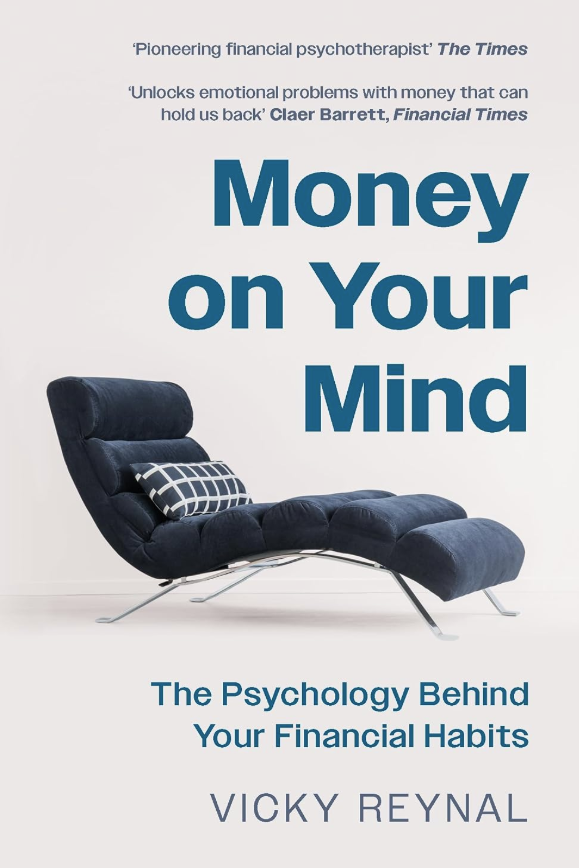
Best for understanding what you’re looking for when you shop.
Financial psychotherapist Vicky Reynal explores how past experiences and emotions can shape habits such as comfort shopping, overspending and hiding purchases. The book uses case examples to show why two people can make similar purchases for very different reasons. Bonnier Books
This is a good place to start if you’ve made a budget before but still find yourself browsing whenever you feel overlooked, under pressure or in need of a lift. Think about two recent purchases you regretted. What was happening just before each one? The items might have little in common while the circumstances look remarkably similar.
2. My Money My Way by Kumiko Love
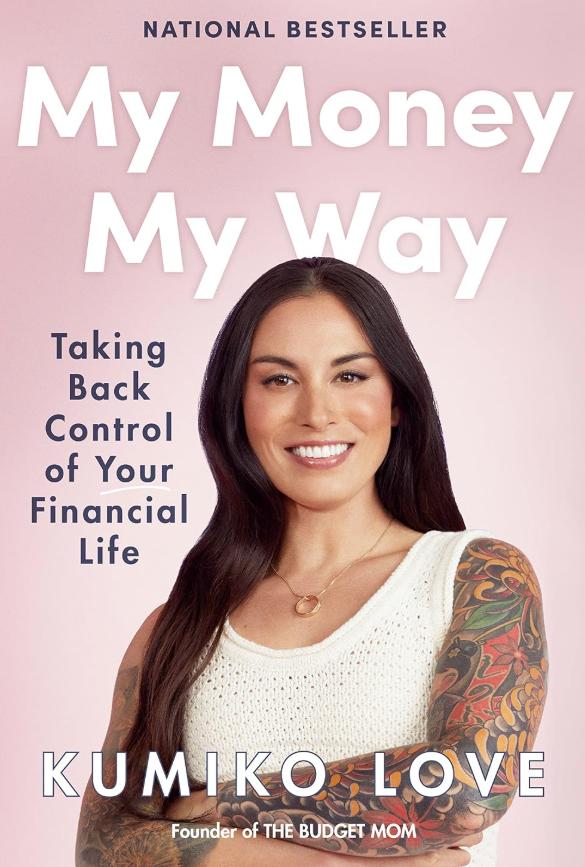
Best for building a budget that makes room for real life.
Kumiko Love connects her own experiences of comparison and shopping for comfort with a practical approach to budgeting. She encourages readers to build a spending plan around their circumstances, values and needs. Penguin Books Australia
If your usual response to overspending is to ban every treat, this book offers a different starting point. Think about one optional purchase you genuinely enjoy and one you routinely make when you’re exhausted. A planned Saturday breakfast with a friend might feel worth keeping. A late-night order you barely remember placing might be easier to reconsider. Looking at them separately can make a budget feel more workable.
3. The Minimalist-ish Journal by Christina Mychas
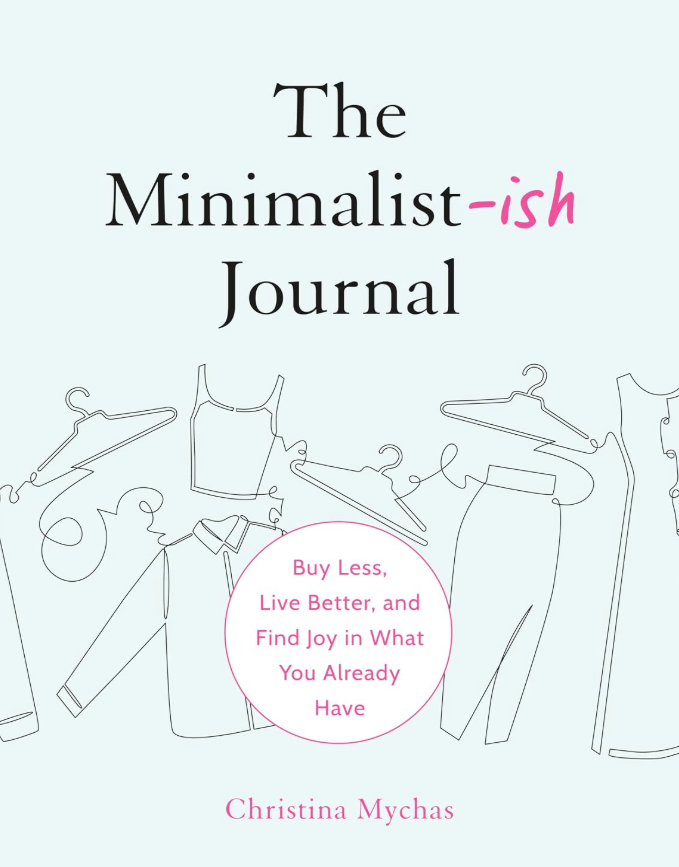
Best for interrupting the browse-and-buy routine.
Christina Mychas’s guided journal includes prompts and tools for trying a low-buy or no-buy challenge, reflecting on impulse purchases and making better use of what you already own. It suits readers who prefer writing things down and testing small changes as they go. PenguinRandomHouse.com: Books
Start with the category you browse most, whether that’s clothes, gadgets or homewares. For one week, save the items you want in a simple list and write down what drew you to each one. Revisit the list at the end of the week. Which items would you still go out of your way to buy? Which felt urgent because the sale was ending or because you were in the mood for something new?
4. Tightwads and Spendthrifts by Scott Rick
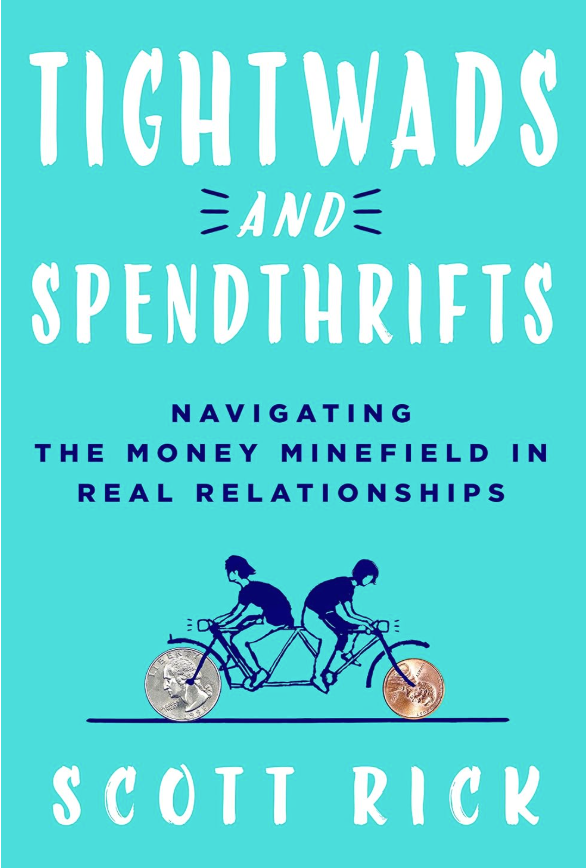
Best for understanding spending differences with a partner.
Scott Rick looks at how people experience the act of paying differently and how those differences play out when couples make financial decisions together. This is the most relationship-focused book on the list. It’s particularly relevant if the same purchase feels like a reasonable treat to one person and a source of worry to the other. us.macmillan.com
If your conversations about spending usually begin after someone sees the bank statement, try talking before the next purchase comes up. What makes a treat feel affordable to each of you? What amount would you both feel comfortable spending independently? Those questions give you something concrete to discuss while the decision is still open.
5. From Financial Regret to Financial Freedom by Julian Merren
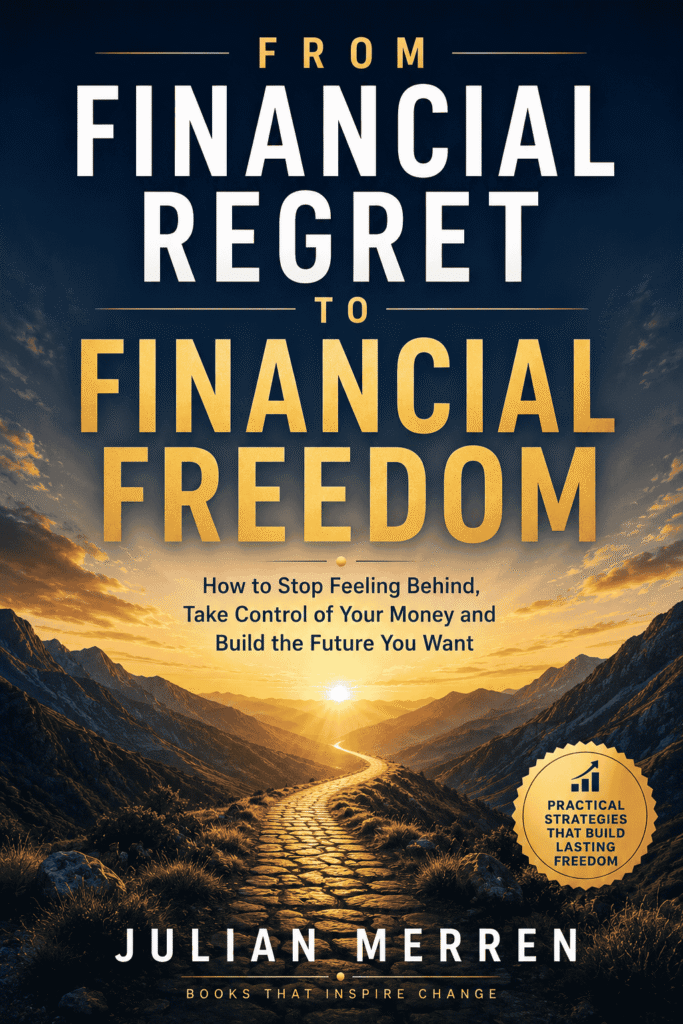
Best for taking stock after spending you regret.
Sometimes the hardest part comes after the purchase. You know the money’s gone, but looking at the balance means facing how much several decisions have added up to. From Financial Regret to Financial Freedom by Julian Merren is a broader personal finance guide for readers who feel behind and want to work out what to do from where they are today. It covers assessing your finances, setting priorities, building a safety net and dealing with debt. Payhip
It fits this list because recognising what prompted you to spend and deciding what to do about the financial aftermath are two separate jobs. If you’ve begun to understand your triggers and want help with the second part, explore From Financial Regret to Financial Freedom.
Try a one-week spending check-in
Whichever of these books about emotional spending you choose, pair it with a small exercise. Pick one spending category and jot down what happens each time you feel tempted to buy something in it.
- Before you buy, note the time, the item and what was happening when you started browsing.
- When you pause, write down what you hope the purchase will give you, such as comfort, convenience or something to look forward to.
- The next day, see whether you still want it and whether you’d choose to spend the same amount again.
Moneysmart’s guide to tracking your spending shows how to review your transactions and spot patterns over time. Moneysmart.gov.au
At the end of the week, look for one thing you can make easier. If sale emails prompt most of your browsing, unsubscribe from the shop that tempts you most. If the urge usually appears after work, decide what you’d like to do for the first ten minutes when you get home. Make the alternative easy enough to try on a difficult day.
Start with the part that feels familiar
If you want to understand why you reach for your phone and start shopping, begin with Money on Your Mind. If you already recognise the pattern and want an exercise to work through, try The Minimalist-ish Journal. If your main concern is what past spending has left you dealing with today, From Financial Regret to Financial Freedom is the better fit.
You can start before you open any of them. Pick one recent purchase and ask what you needed in the moment you made it. The answer might give you a better idea of what to try the next time that feeling comes up.