

Have you ever decided that it’s time to change your life, only to find yourself trying to change absolutely everything?
You want to get fitter, become more productive, read more books, improve your finances, learn a new skill and finally finish those projects you’ve been putting off.
Every goal seems important.
And when you’re feeling motivated, tackling all of them at once can seem like a fantastic idea.
You create an ambitious schedule, make several promises to yourself and imagine how different your life will look in a few months.
But then something familiar happens.
Your days become crowded. Your attention gets pulled in different directions, and the routine that once seemed exciting starts feeling overwhelming.
Before long, you’re making very little progress on anything.
If you’ve been looking for books about focusing on one goal, perhaps the solution isn’t finding more time or developing extraordinary willpower.
Perhaps it’s learning to become more selective about where you direct your effort.
These five books explore the value of choosing priorities, reducing unnecessary commitments and giving meaningful goals the attention they deserve.

Why Trying to Change Everything Rarely Works as Planned
There’s nothing wrong with having several ambitions.
You can care about your health, relationships, finances, career and personal development at the same time.
The difficulty begins when every ambition becomes an urgent project requiring immediate attention.
Each new commitment involves decisions, preparation, time and energy.
Even relatively small activities can become demanding when you introduce too many simultaneously.
Imagine attempting to establish five new daily routines.
Individually, each might require only twenty minutes.
Together, those commitments could demand well over an hour and a half, before accounting for preparation, interruptions or the responsibilities you already have.
And if one activity doesn’t go according to plan, the whole schedule can begin to feel unsuccessful.
Sometimes the answer isn’t to become better at juggling everything.
It’s to decide what matters most right now.
That’s the principle connecting the following five books.
1. The ONE Thing — Gary Keller and Jay Papasan
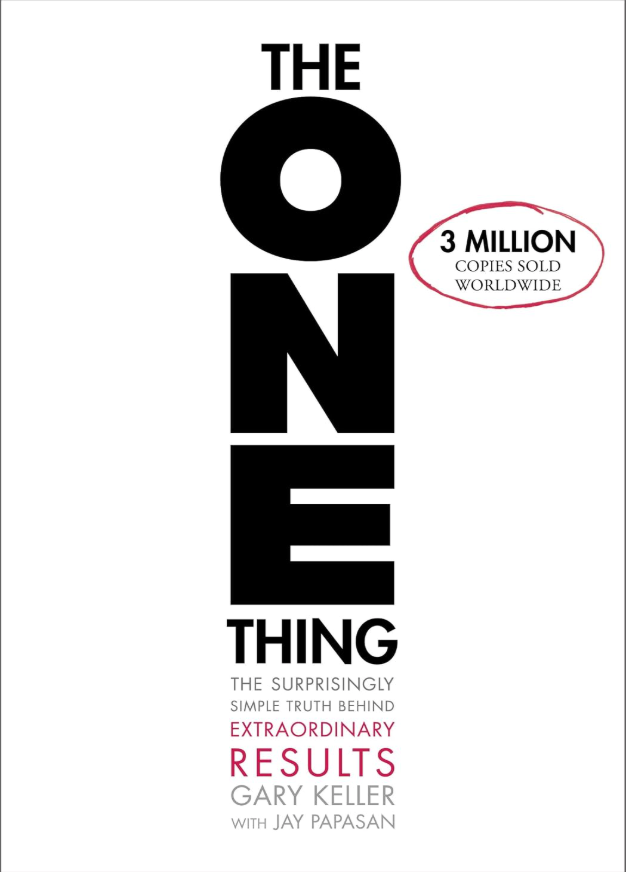
Best for: Choosing the Goal That Deserves Your Attention
The ONE Thing by Gary Keller and Jay Papasan is particularly relevant for people who continually divide their attention between several worthwhile ambitions.
The book explores how concentrating on a meaningful priority can help you make progress instead of constantly switching between competing goals.
Consider someone who wants to start a business.
They decide to build a website, create a YouTube channel, launch a podcast, develop several products and become active on every social media platform.
All those activities might eventually have value.
But attempting them simultaneously could leave very little time for completing the most important first step.
Perhaps the immediate priority should be developing one useful product.
Or finishing the website before expanding into additional channels.
The central lesson is that not every opportunity deserves your attention at the same time.
Sometimes making progress means deliberately choosing what will receive your effort and what can wait.
What you can learn:
- Identify the priority that matters most at a particular stage.
- Reduce unnecessary competition for your attention.
- Give meaningful work enough focus to move forward.
If you regularly feel pulled between several exciting ideas, The ONE Thing offers a useful perspective on becoming more selective. Bard Press
2. Essentialism: The Disciplined Pursuit of Less — Greg McKeown
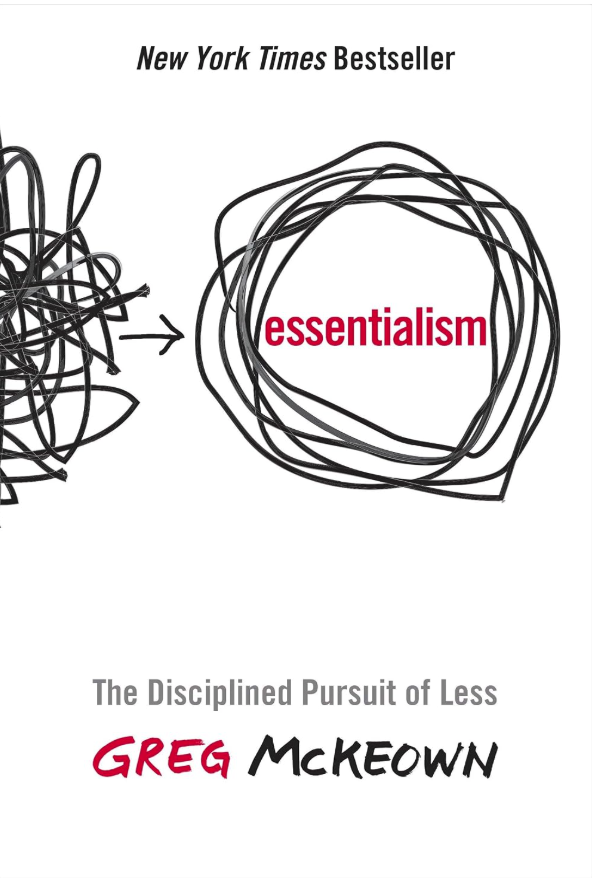
Best for: Learning to Say No to Competing Commitments
Sometimes we struggle to focus because we’ve become accustomed to saying yes.
Yes to another responsibility.
Yes to an exciting opportunity.
Yes to a project that sounds worthwhile, even though our schedule is already full.
Eventually, we reach a point where everything feels important and very little receives our best attention.
In Essentialism, Greg McKeown encourages readers to challenge the assumption that they should attempt to do everything.
His approach is built around choosing what’s genuinely essential and directing more effort towards it.
It’s an important distinction.
Being selective doesn’t mean becoming less ambitious.
It means recognising that your time and energy have limits.
Imagine you’ve been trying to improve several areas of your life simultaneously.
Perhaps you’ve decided to take three courses, begin a demanding fitness routine and pursue two personal projects.
Instead of asking how you can fit everything into your week, you might begin by identifying which commitment deserves priority.
The others don’t necessarily have to disappear.
They may simply need to wait.
What you can learn:
- Distinguish essential priorities from appealing distractions.
- Become more deliberate about accepting new commitments.
- Protect time for the goals that genuinely matter.
Essentialism is particularly useful if your biggest difficulty is having too many responsibilities competing for attention. gregmckeown.com
3. The Power of Less — Leo Babauta
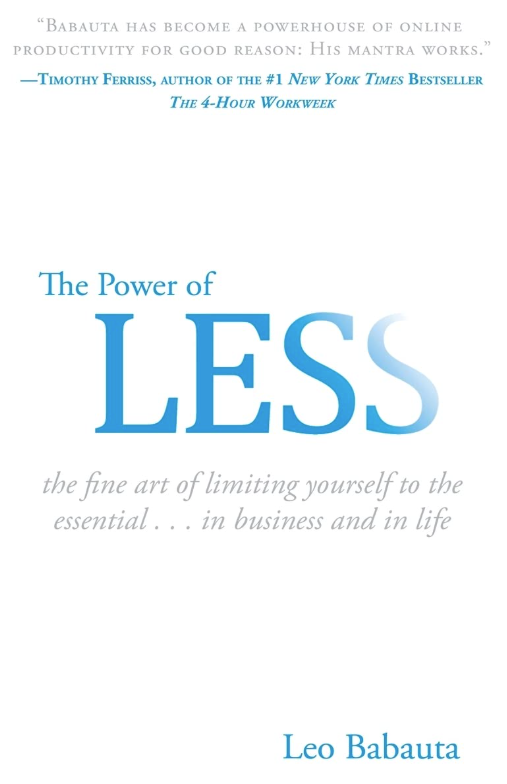
Best for: Simplifying Your Goals and Everyday Routines
One problem with ambitious self-improvement plans is that they often involve unnecessary complexity.
You create several schedules, introduce new productivity tools and track more activities than you can comfortably maintain.
Before long, organising your improvement becomes another demanding responsibility.
The Power of Less by Leo Babauta explores how limiting what you take on can make meaningful progress more manageable.
The book encourages readers to identify what’s essential, reduce distractions and concentrate on fewer commitments.
One of its practical themes is breaking larger goals into manageable tasks.
For example, perhaps you’ve decided to improve your finances.
Instead of simultaneously attempting to save more, learn investing, start a side business and completely redesign your household budget, you could begin with one clear priority.
That might involve understanding your monthly spending.
Once you’ve established a manageable routine, you can consider your next step.
Simplifying your goals doesn’t necessarily make them less meaningful.
It can make them easier to approach.
What you can learn:
- Reduce unnecessary complexity in personal goals.
- Break large ambitions into manageable actions.
- Concentrate on fewer commitments at once.
If your self-improvement plans regularly become overwhelming, The Power of Less offers an appealing alternative to constantly adding more. Hachette Book Group
4. The 80/20 Principle — Richard Koch
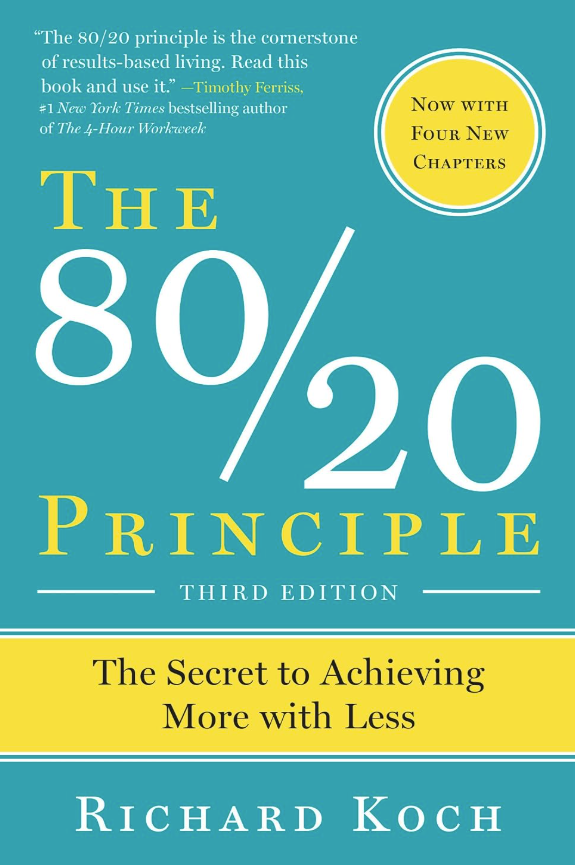
Best for: Identifying Which Efforts Matter Most
Sometimes the difficulty isn’t simply having too many goals.
It’s spending your time on activities that contribute relatively little towards the results you actually want.
You might be busy every day without feeling that your most important ambitions are moving forward.
In The 80/20 Principle, Richard Koch explores how a relatively small proportion of activities can account for a large share of results in many situations.
The precise proportions aren’t universal, but the broader principle encourages readers to examine where their efforts have the greatest impact.
Imagine you’re learning a new skill.
You spend hours organising study materials, researching different courses and comparing learning methods.
Those activities may have some value.
But practising the skill itself might contribute far more directly towards improvement.
Recognising that difference can help you become more deliberate about your priorities.
The book encourages readers to think carefully about which actions genuinely deserve their attention.
What you can learn:
- Identify activities that contribute meaningfully to your goals.
- Reconsider tasks that consume time without creating much progress.
- Direct greater attention towards high-value actions.
The 80/20 Principle is worth reading if you want to make better decisions about how you use your limited time and effort. Hachette Australia
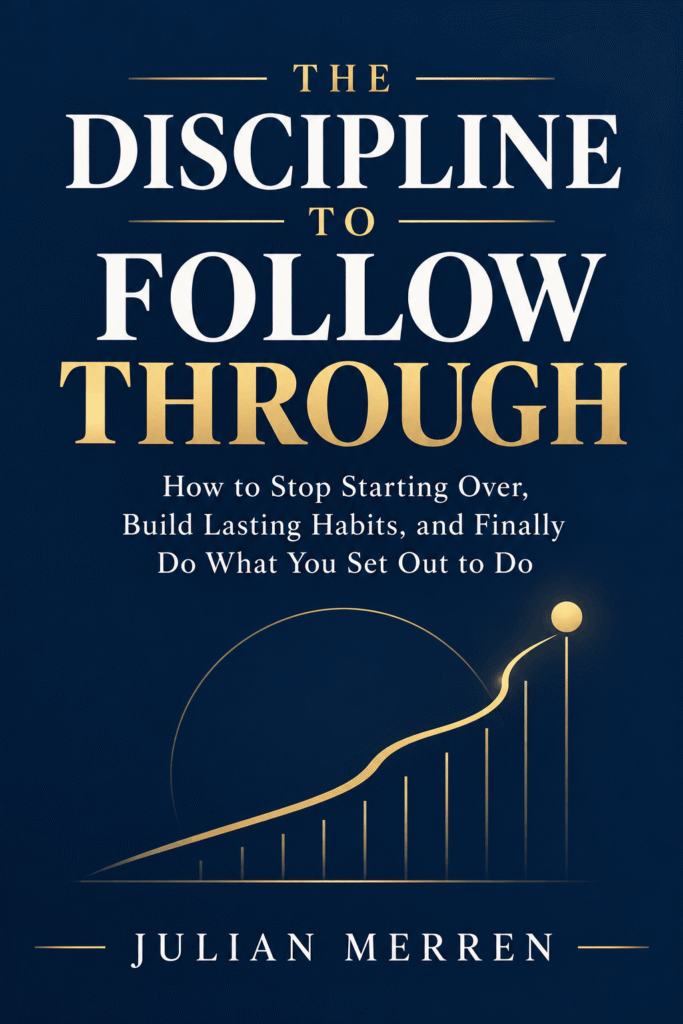
5. The Discipline to Follow Through — Julian Merren
Best for: Staying Committed to the Goal You’ve Chosen
Choosing one meaningful priority is an important first step.
But knowing what deserves your attention doesn’t automatically mean you’ll follow through.
You may begin with enthusiasm, establish a schedule and genuinely intend to remain consistent.
Then distractions appear.
Progress slows down.
Another interesting opportunity catches your attention, and you begin wondering whether you should change direction.
That’s where The Discipline to Follow Through by Julian Merren becomes relevant.
The book explores how to make realistic commitments, build manageable habits, overcome procrastination and protect your attention from unnecessary distractions.
Rather than encouraging readers to change everything simultaneously, it focuses on developing practical systems that help them continue towards meaningful goals.
An important theme is recognising the difference between a temporary setback and a genuine reason to change course.
Perhaps you miss a scheduled work session.
Or you discover that a goal requires more time than expected.
That doesn’t automatically mean the commitment should be abandoned.
Sometimes the most useful response is to adjust your approach, identify the next manageable action and continue.
The book also includes a separate 30-Day Follow-Through Workbook, featuring daily assignments and weekly checkpoints to help readers put the principles into practice.
What you can learn:
- Choose realistic commitments rather than attempting everything at once.
- Protect your attention and maintain consistent action.
- Recover from setbacks without constantly starting over.
- Develop a personal system for following through.
If you’re tired of beginning several ambitious projects but rarely giving one enough attention to finish, this book offers practical guidance worth exploring.
Discover The Discipline to Follow Through and its 30-Day Companion Workbook
Which Books About Focusing on One Goal Should You Read First?
The best choice depends on what’s making it difficult for you to concentrate your efforts.
If you’re continually jumping between new ideas, begin with The ONE Thing.
If you struggle to say no to additional commitments, consider Essentialism.
If your goals have become unnecessarily complicated, The Power of Less explores the value of simplifying your approach.
If you’re busy but unsure which activities are producing meaningful results, The 80/20 Principle offers a useful way to reconsider your priorities.
And if your main difficulty is maintaining your commitment after choosing a goal, The Discipline to Follow Through focuses on practical consistency.
You don’t need to read all five immediately.
Choose the book that addresses your biggest challenge and look for one idea you can apply.
Three Questions to Ask Before Taking on Another Goal
Before creating another ambitious plan, consider three questions.
1. Which goal matters most right now?
Not every ambition needs immediate attention.
Identify one priority that would make a meaningful difference to your life or help you move towards something important.
2. What will I postpone to make room for it?
A meaningful goal requires some combination of time, attention and energy.
Consider which less important commitments can wait.
The aim isn’t to abandon everything else, but to stop expecting yourself to pursue every ambition simultaneously.
3. What’s one manageable action I can repeat?
Once you’ve chosen your priority, make the next step clear.
Perhaps you’ll study for fifteen minutes, write a page or dedicate a realistic period each week to an important project.
A manageable commitment is often easier to maintain than an ambitious schedule that depends on perfect circumstances.
For another perspective on making meaningful progress, James Clear explains why the systems behind your goals matter just as much as deciding what you want to achieve.
Final Thoughts
If you’ve been searching for books about focusing on one goal, remember that concentrating on something important doesn’t mean giving up all your other ambitions.
It simply means recognising that everything doesn’t need to happen at once.
You can care about several areas of your life while choosing where to direct your greatest effort today.
The five books above offer different ways to make that decision and follow through.
Perhaps you need to simplify your plans, become more selective about commitments or reconsider which activities deserve your attention.
Whatever the case, meaningful progress doesn’t always begin by doing more.
Sometimes it begins by choosing less.
Choose one goal that genuinely matters. Give it a realistic place in your life, and allow yourself the opportunity to make progress before taking on something else.