
Have you ever interrupted someone halfway through a sentence, only to realise afterwards that they hadn’t finished making their point?
Perhaps you were excited to contribute. Maybe you thought you already understood what they were going to say. Or something they mentioned reminded you of an experience you couldn’t wait to share.
You weren’t trying to be rude.
You simply jumped in too soon.
It’s a surprisingly common communication habit. And while an occasional interruption is unlikely to ruin a conversation, repeatedly talking over others can leave them feeling frustrated, dismissed or misunderstood.
If you’re looking for books about listening without interrupting, these five thoughtful reads explore why listening matters, what prevents us from doing it well and how to become more attentive during everyday conversations.
Because being a good communicator isn’t just about knowing what to say.
It’s also about knowing when to listen.
Why Do We Interrupt People?
Not every interruption comes from impatience or a lack of consideration.
Sometimes we’re genuinely interested in what someone is saying.
Their story reminds us of something similar, and we want to show that we understand.
Other times, we’re worried we’ll forget our point if we don’t say it immediately.
We might also assume we already know where the conversation is heading.
The difficulty is that our attention gradually shifts away from the person speaking and towards what we want to say next.
Instead of listening to understand, we’re listening for an opportunity to respond.
That can happen in friendships, romantic relationships, family discussions and workplace meetings.
The good news is that listening is a skill we can practise.
And several excellent books explore different aspects of becoming a more thoughtful listener.
1. You’re Not Listening — Kate Murphy
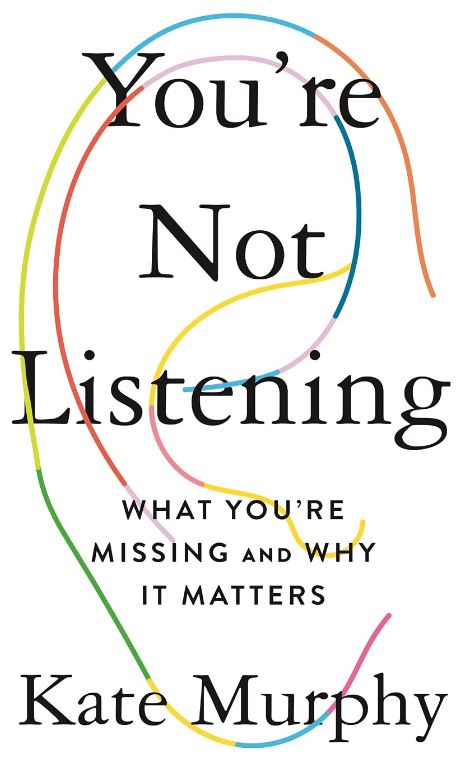
You’re Not Listening: What You’re Missing and Why It Matters by Kate Murphy is one of the most directly relevant books on this subject.
Murphy explores why genuine listening has become increasingly difficult and what happens when we stop giving people our full attention.
Drawing on conversations and examples from people whose work depends on listening, she examines how curiosity, attention and understanding influence communication.
Why this book is worth reading
One of the problems with interrupting is that we often believe we already understand what someone is trying to tell us.
We recognise the subject, anticipate their conclusion and begin preparing our response.
But sometimes the most important part of what they’re saying comes later.
A friend might begin describing a difficult day at work.
You immediately offer advice because you’ve experienced something similar.
But perhaps they weren’t looking for advice.
Perhaps they simply wanted someone to understand how they felt.
Murphy’s book encourages readers to approach conversations with greater curiosity rather than assuming they’ve already heard enough.
Best for: Readers who want to understand why they interrupt and become more attentive, curious listeners.
2. The Lost Art of Listening — Michael P. Nichols and Martha B. Straus
Have you ever tried explaining something important, only to feel that the other person was more interested in defending themselves than understanding you?
It’s an unpleasant experience.
And sometimes, without meaning to, we do exactly the same thing to others.
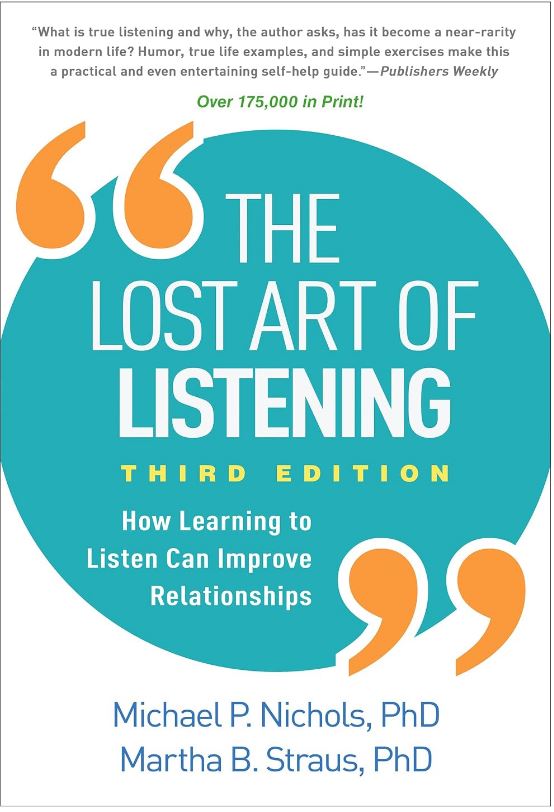
In the third edition of The Lost Art of Listening, therapists Michael P. Nichols and Martha B. Straus explore how listening difficulties affect relationships and what people can do to improve them.
The book examines everyday communication patterns, particularly within families, friendships and romantic relationships.
Why this book is worth reading
Listening becomes particularly difficult when we disagree.
Someone begins explaining why they’re upset.
We immediately want to correct their interpretation.
We remember details they haven’t mentioned.
We feel misunderstood ourselves.
Before long, we’re mentally preparing our defence rather than hearing their concerns.
This book encourages readers to recognise the emotional barriers that prevent genuine understanding.
It also explores how making another person feel heard can create space for more constructive conversations.
Best for: Couples, friends and family members who frequently talk over one another or struggle to listen during disagreements.
3. How to Know a Person — David Brooks
Sometimes listening isn’t simply about hearing someone’s words.
It’s about understanding the person behind them.
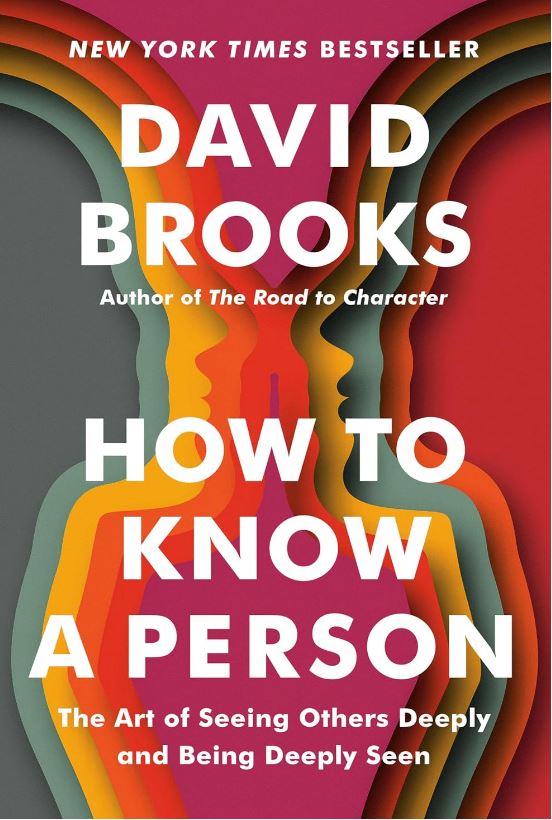
In How to Know a Person, David Brooks explores what it means to recognise another person’s experiences, perspectives and individuality.
The book considers how attention, curiosity and meaningful conversation contribute to stronger human connections.
Why this book is worth reading
Many conversations move quickly.
Someone asks how your day went.
You provide a short answer.
They offer a brief response before moving on to something else.
There’s nothing necessarily wrong with everyday small talk.
But deeper understanding often requires more patience.
Brooks encourages readers to take a genuine interest in the people they’re speaking with.
Instead of rushing to share your own story, you might ask another question.
Rather than assuming you understand someone’s experience, you could invite them to explain further.
These small changes can make conversations feel less like competing monologues and more like opportunities to connect.
Best for: Readers who want to become more thoughtful conversationalists and develop deeper relationships through listening.
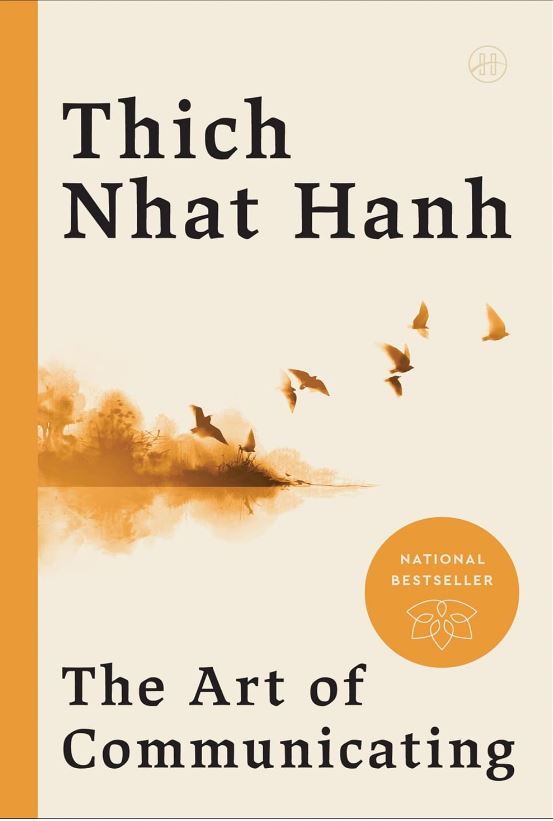
4. The Art of Communicating — Thich Nhat Hanh
It’s difficult to listen properly when your attention is constantly moving elsewhere.
Perhaps you’re thinking about what happened earlier.
Maybe you’re planning your next response.
Or you’re distracted by something you need to do after the conversation.
In The Art of Communicating, Thich Nhat Hanh explores mindful communication, including the importance of listening with attention and compassion.
The book draws on Buddhist mindfulness practices and considers how greater awareness can improve the way we relate to others.
Why this book is worth reading
One useful idea is that listening requires us to be present.
That sounds obvious, but consider how frequently our attention wanders during conversations.
We may hear someone’s words without giving them our full consideration.
Or we might become so focused on expressing our own perspective that we stop noticing what the other person is trying to communicate.
Thich Nhat Hanh encourages a calmer, more deliberate approach.
Rather than rushing to respond, we can practise remaining attentive to the person speaking.
Best for: Readers who struggle with distracted listening and want to explore a more mindful approach to communication.
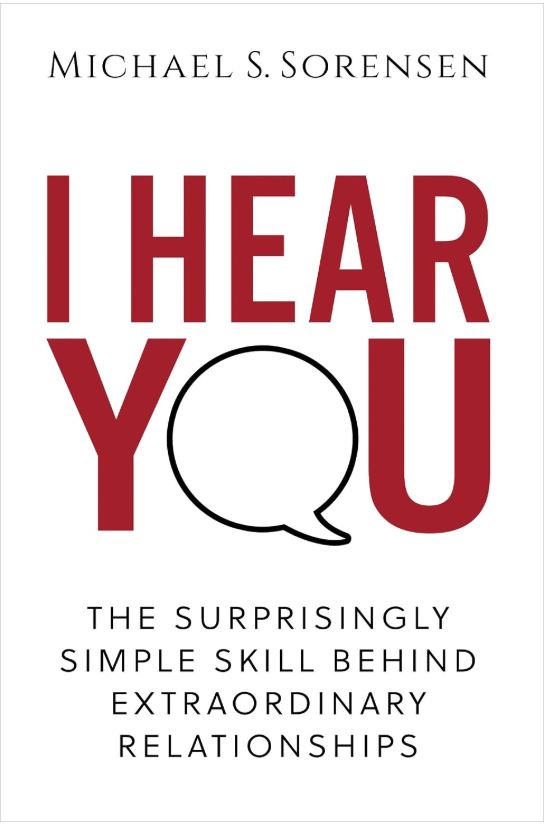
5. I Hear You — Michael S. Sorensen
Sometimes people interrupt because they’re eager to solve a problem.
Someone describes a frustrating experience.
We immediately suggest what they should do.
We explain how we would handle the situation.
Or we try to reassure them that things aren’t as bad as they seem.
Our intentions may be good.
But the other person might feel that we haven’t really listened.
In I Hear You: The Surprisingly Simple Skill Behind Extraordinary Relationships, Michael S. Sorensen explores emotional validation and its importance in everyday relationships.
Why this book is worth reading
One of the distinctions worth understanding is the difference between agreeing with someone and acknowledging how they feel.
You don’t have to share another person’s interpretation of a situation to recognise that their feelings matter.
For example, a colleague might describe feeling disappointed after receiving criticism.
You may believe the feedback was reasonable.
But immediately explaining why they shouldn’t be upset may leave them feeling dismissed.
Sometimes a more helpful starting point is acknowledging their frustration and allowing them to finish explaining.
Sorensen’s book encourages readers to consider how their responses affect whether others feel understood.
Best for: Readers who tend to offer immediate advice or reassurance instead of allowing others to express themselves fully.
Which of These Books About Listening Without Interrupting Should You Read First?
The best starting point depends on what makes listening difficult for you.
If you regularly interrupt because you’re eager to contribute, You’re Not Listening is an excellent starting point.
If disagreements turn into conversations where neither person feels heard, The Lost Art of Listening may be particularly valuable.
If you’d like to develop deeper connections, How to Know a Person explores attentive conversation more broadly.
If distraction is your biggest challenge, The Art of Communicating offers a mindfulness-based perspective.
And if you tend to jump straight into problem-solving, I Hear You may help you recognise the value of acknowledging someone’s experience before responding.
Each book approaches listening differently.
But all five remind us that effective communication requires more than waiting for our turn to speak.

Listening and Speaking Are Two Sides of Good Communication
When people think about becoming better communicators, they often focus on speaking.
They want to express themselves clearly, find the right words and feel more confident during conversations.
Those are valuable skills.
But communication works in both directions.
You can be excellent at explaining your ideas while still struggling to understand someone else’s.
And you can have a thoughtful response prepared, yet miss something important because you began forming it before the other person finished speaking.
This is where Articulate by Julian Merren offers a related perspective.
The book focuses on clearer self-expression, organising thoughts and communicating with greater confidence.
Although it isn’t specifically a book about listening without interrupting, its broader focus on communication makes it a relevant companion.
After all, communicating clearly becomes more useful when we also understand what we’re responding to.
If you’d like to develop greater confidence in expressing your own thoughts, explore Articulate by Julian Merren.
Five Practical Ways to Become a Better Listener
Reading about communication is useful, but becoming a better listener also requires everyday practice.
For further guidance, Harvard Law School’s Program on Negotiation explains active listening and confirming understanding, including how paraphrasing can help people feel heard.
Here are five small changes worth trying.
1. Let the other person finish
Before responding, allow the speaker to complete their thought.
Don’t assume you already know their conclusion.
Even a brief pause can help you recognise whether they’ve genuinely finished.
2. Stop rehearsing your reply
Notice when your attention moves away from listening and towards preparing your response.
You don’t have to hold on to every thought that occurs to you.
If an idea is important, you can return to it when there’s an appropriate opportunity.
3. Ask one more question
Instead of immediately sharing your own experience, invite the other person to explain further.
You might ask what happened next, how they felt or what they found most difficult.
A thoughtful question can demonstrate genuine interest.
4. Check your understanding
Sometimes we interrupt because we’re afraid we’ve misunderstood something.
Rather than guessing, wait for a suitable pause and briefly summarise what you’ve heard.
For example:
So the main frustration was that nobody explained the change beforehand?
This gives the other person an opportunity to clarify.
5. Recognise when you’re interrupting
Changing a habit begins with noticing it.
If you accidentally interrupt someone, you don’t need to make the moment dramatic.
A simple acknowledgement can be enough.
Sorry, I interrupted you. Please finish what you were saying.
Small adjustments like these can help create more respectful, balanced conversations.
Good Listening Doesn’t Mean Never Speaking
There’s an important distinction between listening thoughtfully and remaining silent throughout an entire conversation.
Healthy communication involves both people having opportunities to contribute.
You should still be able to express your opinions, ask questions and respectfully disagree.
And some situations require timely interruptions, particularly when clarification, safety or practical decisions are involved.
The goal isn’t to follow a rigid rule that you must never interrupt.
It’s to become more aware of why you’re interrupting and whether doing so helps or hinders understanding.
Sometimes a question improves the conversation.
Other times, allowing someone another thirty seconds to finish can make all the difference.
Final Thoughts: Make People Feel Heard
Most of us know what it feels like to be interrupted.
We begin explaining something important, only to discover that the other person has already moved on to their own response.
It can leave us feeling that our words don’t matter.
But we also know how different a conversation feels when someone gives us their attention.
They listen without rushing.
They ask thoughtful questions.
They allow us to finish before sharing their perspective.
The best books about listening without interrupting remind us that listening is more than a polite social habit.
It’s a way of showing respect, understanding and genuine interest in another person.
You don’t have to become a perfect listener overnight.
Start by noticing when you’re preparing your reply too early.
Give someone a little more space to explain.
Ask a question before offering advice.
And remember that sometimes the most valuable contribution to a conversation is allowing another person to be heard.
If you’d also like to strengthen your ability to express your own thoughts clearly, discover Articulate by Julian Merren for further reading on confident communication.
Because a great conversation isn’t measured by how much you say.
It’s measured, in part, by how well you understand each other.