
Introduction
If you’re searching for books for anxiety that help, you’ve probably already discovered that much of the advice online sounds the same. “Take a deep breath,” “think positive,” or “just relax” may offer temporary comfort, but they rarely address the deeper patterns that keep anxiety going.
The good news is that there are books that go far beyond surface-level advice. The best books for anxiety that help provide practical tools, evidence-based strategies, and fresh perspectives that can help you better understand your thoughts, reduce excessive worry, and regain control of your life.
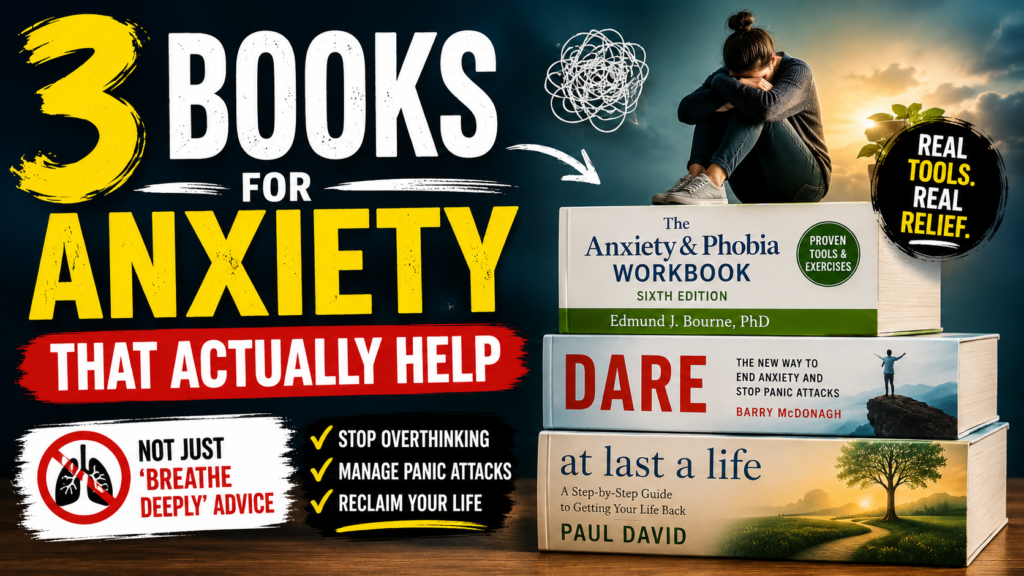
In this article, we’ll explore three highly recommended books for anxiety that help readers tackle overthinking, panic attacks, chronic stress, and persistent anxiety. Whether you’re just beginning your journey or looking for a new approach after trying countless techniques, these books offer valuable insights that can support lasting change.
Why Read Books for Anxiety?
Anxiety affects millions of people worldwide, and while professional support is important for many individuals, books can be a powerful complement to therapy, self-care, and personal growth.
The best books for anxiety that help don’t simply tell you to calm down. Instead, they help you understand why anxiety occurs, how your thoughts and behaviors influence it, and what practical steps you can take to regain control.
The following three books have earned strong reputations because they focus on real solutions rather than quick fixes.
The Anxiety and Phobia Workbook by Edmund Bourne
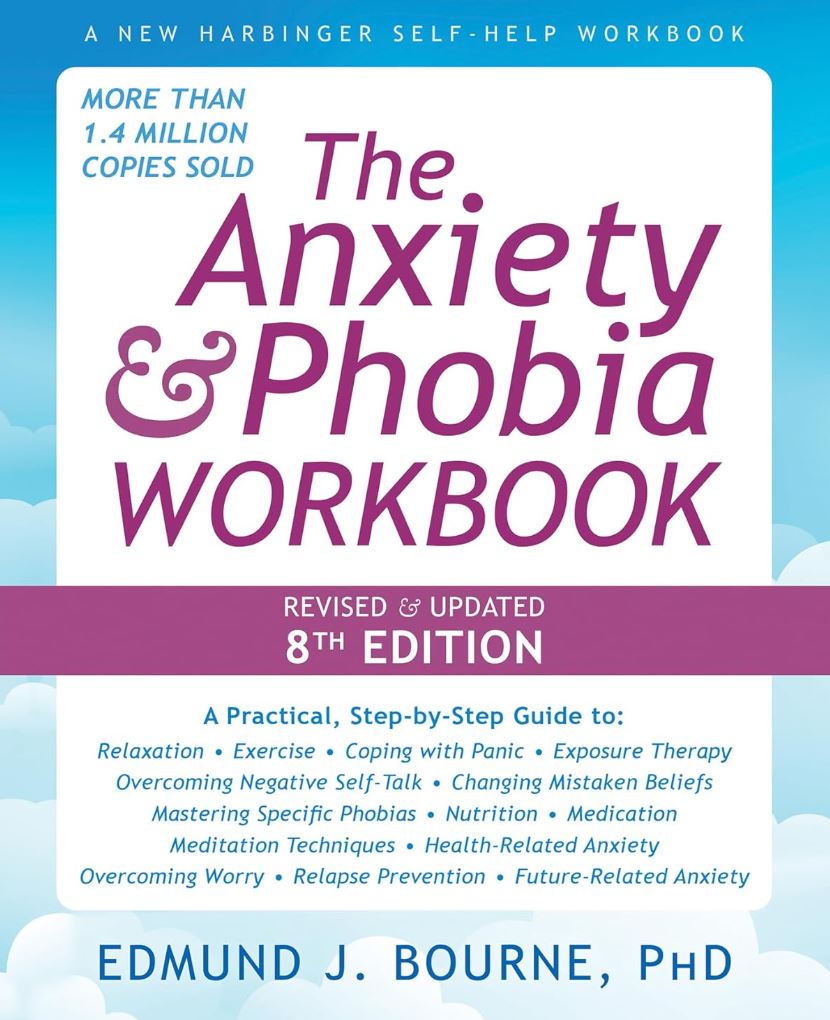
When people ask for books for anxiety that help, this title is often one of the first recommendations.
The Anxiety and Phobia Workbook has been helping readers for decades and is widely regarded as one of the most comprehensive self-help resources available for anxiety management.
Unlike many books that focus solely on theory, this workbook is highly practical. It includes exercises, worksheets, assessments, and step-by-step strategies that readers can immediately apply to their daily lives.
The book covers a wide range of anxiety-related challenges, including:
- Generalized anxiety
- Panic attacks
- Social anxiety
- Specific phobias
- Chronic stress
One of the book’s most valuable lessons is that avoiding fear often strengthens it. Through gradual exposure and proven cognitive techniques, readers learn how to build confidence and reduce anxiety over time.
If you’re looking for books for anxiety that help through structured exercises and practical tools, this is an excellent place to start.
Dare by Barry McDonagh
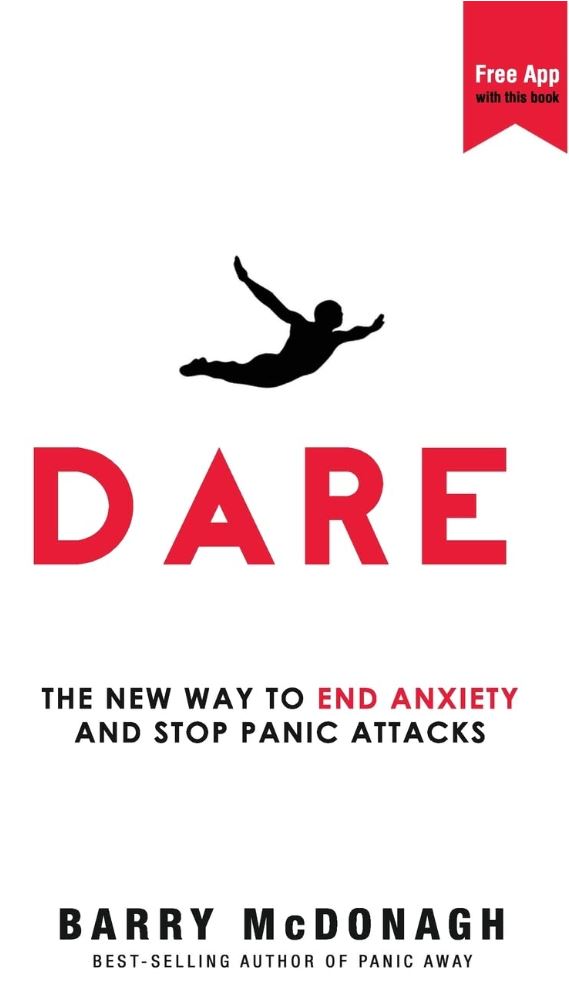
Most people instinctively try to fight anxiety.
When uncomfortable thoughts or sensations appear, the natural reaction is to push them away. However, Barry McDonagh argues that this resistance may actually be part of the problem.
That’s what makes Dare one of the most unique books for anxiety that help people break free from the anxiety cycle.
The core concept of the book is simple yet powerful: stop fearing anxiety itself.
McDonagh teaches readers how to respond differently to anxious thoughts and physical sensations. Rather than viewing anxiety as a dangerous threat, readers learn to see it as an uncomfortable but ultimately harmless experience.
This approach can be especially helpful for those who experience:
- Panic attacks
- Health anxiety
- Social anxiety
- Persistent worry
- Fear of anxiety symptoms
Many readers appreciate the book because its advice is easy to understand and apply in everyday situations.
If you’ve ever felt trapped by anxiety or afraid of your own thoughts, Dare may provide a refreshing new perspective.
At Last a Life by Paul David
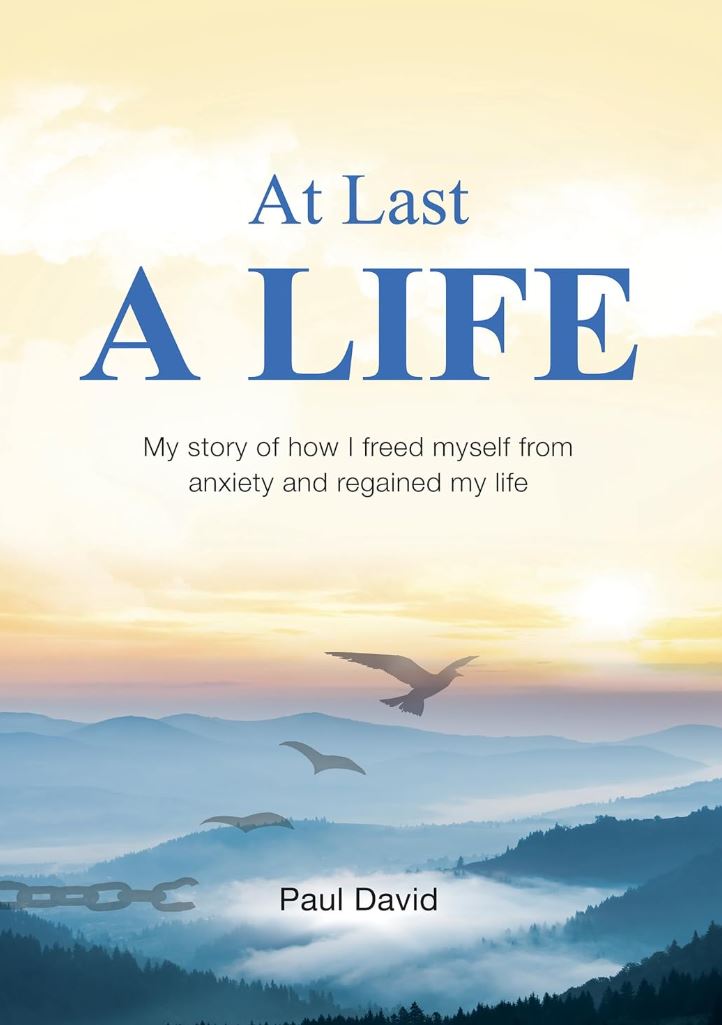
Among the many books for anxiety that help, At Last a Life stands out because of its deeply personal approach.
Author Paul David writes from firsthand experience after overcoming severe anxiety himself. As a result, readers often feel understood and reassured throughout the book.
One of the key messages is that constantly fighting anxiety can sometimes keep it alive.
Many sufferers become trapped in a cycle of monitoring symptoms, analyzing every feeling, and searching endlessly for solutions. Unfortunately, this often increases anxiety rather than reducing it.
David encourages readers to:
- Stop obsessing over symptoms
- Allow anxiety to exist without fear
- Continue participating in everyday life
- Trust the recovery process
His approach is compassionate, realistic, and empowering.
For people who have read numerous self-help books and still feel stuck, At Last a Life is one of the books for anxiety that help by offering a completely different way of thinking about recovery.
Which Book Should You Read First?
The answer depends on your specific situation.
If you want a comprehensive collection of techniques and exercises, start with The Anxiety and Phobia Workbook.
If panic attacks and fear of anxiety symptoms are your biggest challenges, Dare may be the best choice.
If you’re tired of constantly battling anxiety and want a more accepting, long-term approach to recovery, At Last a Life is worth considering.
The good news is that all three books complement each other and provide valuable perspectives on managing anxiety.
Final Thoughts
Finding effective strategies for anxiety can feel overwhelming, especially when so much advice online focuses on quick fixes and temporary solutions.
The best books for anxiety that help offer more than simple breathing techniques. They provide practical tools, proven strategies, and deeper insights into how anxiety works.
The Anxiety and Phobia Workbook, Dare, and At Last a Life have helped countless readers better understand their anxiety and develop healthier responses to it.
While no book is a magic solution, the right book can provide the knowledge, encouragement, and practical guidance needed to take meaningful steps toward a calmer and more confident life.
If you’re searching for books for anxiety that help, these three titles are excellent places to begin.