
There is a particular kind of pressure that comes from feeling as though everyone else has figured out money before you.
Perhaps friends are buying homes while you are still trying to build savings. Maybe retirement suddenly feels much closer than it once did. You might be looking back at money you spent, opportunities you missed or financial decisions you wish you could make again.
Whatever brought you here, feeling behind can make it difficult to see what is still possible.
That is where the right book can help.
The best books to read when you feel behind financially don’t simply tell you to save more or spend less. They can help you understand your relationship with money, put past decisions into perspective and begin thinking more clearly about what comes next.
Here are five books worth considering if your financial life doesn’t look quite how you once imagined it would.
1. The Psychology of Money by Morgan Housel
If feeling financially behind has become tangled up with comparison, regret or anxiety about what you “should” have achieved by now, The Psychology of Money is an excellent place to begin.
Morgan Housel approaches personal finance through behaviour rather than complicated calculations. Through a collection of short stories, he explores how our experiences, expectations, emotions and attitudes influence the decisions we make with money.
That distinction matters.
Two people can receive exactly the same financial advice and make completely different decisions because neither of them approaches money with a blank slate. We carry our upbringing, previous successes and failures, fears and ambitions with us.
One of the most useful reasons to read this book when you feel behind is that it can help loosen the grip of comparison.
Someone else’s financial position tells you surprisingly little about what your own progress should look like. Different starting points, incomes, responsibilities, opportunities and life circumstances produce different outcomes.
Instead of asking, “Why am I not where they are?”, a more useful question might be:
What can I do from where I am now?
That is a far more productive place to begin.
2. From Financial Regret to Financial Freedom by Julian Merren
Sometimes the biggest obstacle isn’t a lack of financial information. It is the weight of everything you wish you had done differently.
That is the territory behind From Financial Regret to Financial Freedom by Julian Merren.
The book is particularly relevant for readers who find themselves looking backwards — at the money they didn’t save, the financial decisions they regret or the years they believe they wasted.
There is an important difference between learning from a mistake and continuing to punish yourself for it.
You cannot go back and invest money you spent ten years ago. You cannot begin saving at 25 if you are now 45 or 55. But you can decide what you do with the next month, the next year and the years still ahead.
That shift from regret towards forward movement is what makes this a natural inclusion among books to read when you feel behind financially.
If that is the situation you find yourself in, explore From Financial Regret to Financial Freedom and other resources in the Books That Shape Wealth & Success collection.
Explore From Financial Regret to Financial Freedom:
https://booksthatshape.com/wealth-success/
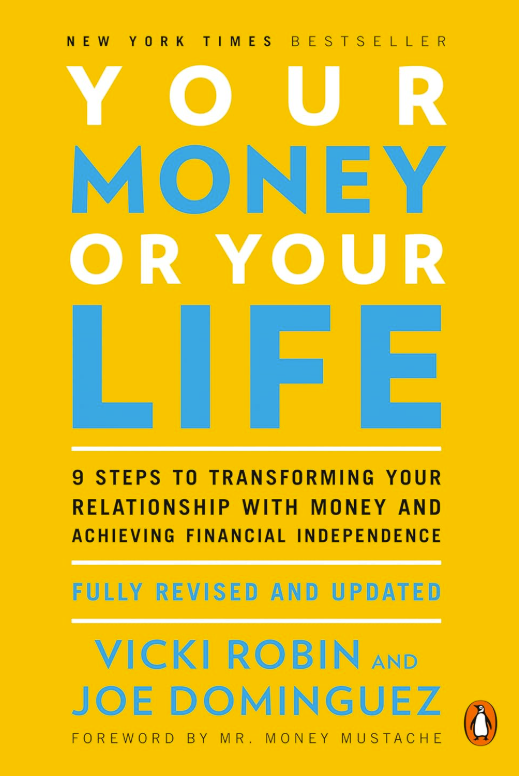
3. Your Money or Your Life by Vicki Robin and Joe Dominguez
Sometimes feeling behind financially is really about something deeper: not being entirely sure what “ahead” would mean.
More money?
A larger investment portfolio?
Owning a home?
Retiring earlier?
Having enough freedom to work less?
Your Money or Your Life encourages readers to look at the relationship between money, time and the kind of life they actually want to live.
That can be valuable when you have spent years measuring progress using somebody else’s definition of success.
The book explores areas including saving, debt, spending habits and financial independence, but its broader appeal lies in encouraging you to think more deliberately about what your money is ultimately for.
This can change the question from:
How do I catch up?
to:
What am I actually trying to build?
Those questions may sound similar, but they can lead you in very different directions.
4. I Will Teach You to Be Rich by Ramit Sethi
Once you’ve dealt with some of the emotional baggage surrounding money, there comes a point when you simply need to start doing something.
Ramit Sethi’s I Will Teach You to Be Rich takes a much more practical approach.
The book covers everyday areas of personal finance such as banking, saving, spending, debt and investing, with an emphasis on creating systems rather than relying endlessly on willpower.
For someone who feels financially behind, this practical structure can be refreshing.
It is easy to become overwhelmed when you think you need to fix everything simultaneously. You may believe you need to eliminate every unnecessary expense, understand investing, increase your income, sort out retirement and create the perfect budget before you can make meaningful progress.
You don’t.
A handful of sensible actions repeated consistently can be much more useful than creating a perfect financial plan you never actually follow.
If you have spent too long thinking about your financial situation and are ready to begin organising it, Sethi’s action-oriented approach may be what you need.
5. The Simple Path to Wealth by JL Collins
The world of personal finance can become remarkably complicated.
Stocks, funds, property, retirement accounts, tax strategies, interest rates, market forecasts and conflicting opinions can leave you wondering whether you have arrived far too late to understand any of it.
The Simple Path to Wealth by JL Collins was developed from letters Collins originally wrote to his daughter and is built around making the path towards financial independence easier to understand.
Its emphasis on simplicity is particularly useful for someone trying to rebuild financial confidence.
When you feel behind, complexity can become another excuse to delay.
You tell yourself you’ll start investing when you understand the market better. You’ll organise your finances when you’ve researched everything. You’ll make a plan when life settles down.
And another year disappears.
You do not need to know everything before you begin improving your financial life. You need to understand enough to make the next sensible decision — and then continue learning.
What These Books Have in Common
These five books approach money from different directions, but together they offer an important message.
Financial progress is not simply about numbers.
If you want to turn some of these ideas into practical action, ASIC’s Moneysmart also provides free tools, tips and guidance for managing money, debt, saving and planning for the future
It is also about behaviour, perspective, priorities, habits and the ability to make peace with decisions that can no longer be changed.
If you currently feel behind, try separating your situation into three parts:
- What has already happened — decisions and circumstances you cannot change.
- Where you are today — your actual financial position without comparison or judgement.
- What happens next — the decisions that are still yours to make.
Only one of those three gives you genuine control.
The third.
Which Book Should You Read First?
The best choice depends on why you feel financially behind.
If comparison and your relationship with money are the biggest problems, begin with The Psychology of Money.
If regret over previous financial decisions is keeping you stuck, consider From Financial Regret to Financial Freedom.
If you want to reconsider what money and financial independence actually mean to you, try Your Money or Your Life.
If you need practical systems and action, I Will Teach You to Be Rich may be the better starting point.
And if investing and long-term wealth building feel unnecessarily complicated, The Simple Path to Wealth offers a more streamlined perspective.
You don’t have to read all five at once. Choose the book that speaks most clearly to the problem you are facing now.
You Don’t Have to Catch Up With Everyone Else
Perhaps the most damaging part of feeling financially behind is the idea that there is an invisible timetable you were supposed to follow.
Save this much by 30.
Own this by 40.
Have accumulated that much by 50.
Real lives rarely unfold so neatly.
Careers change. Relationships change. Families need support. Unexpected expenses appear. Priorities shift. And sometimes we simply make decisions that, with hindsight, we would make differently today.
The purpose of learning about money isn’t to prove that your past should have been different.
It is to make your future different.
The best books to read when you feel behind financially can give you knowledge, perspective and a starting point, but the most important step is eventually closing the book and doing something with what you’ve learned.
Start small if necessary.
Understand where you are. Choose one area you can improve. Make one decision your future self will be glad you made.
You may not be able to change when you started.
But you can still change where you go from here.
If financial regret has been keeping you stuck, explore From Financial Regret to Financial Freedom by Julian Merren in the Books That Shape Wealth & Success collection:
https://booksthatshape.com/wealth-success/