

Sometimes you don’t realise how far you’ve drifted from your routine until you look back.
A few weeks ago, you were exercising regularly, reading before bed, making progress on a personal project or following a schedule that seemed to be working.
You felt organised.
You had momentum.
Then something happened.
Perhaps work became demanding, you went away for a few days, family responsibilities increased or you simply needed a break.
One missed session became several.
Before long, the routine that once felt familiar had disappeared.
Now you’re wondering how to begin again.
If you’ve been searching for books about getting back on track, there’s something important worth remembering: falling out of a routine doesn’t automatically mean you’ve lost all the progress you made.
Sometimes life interrupts our plans.
What matters is learning how to respond without making the return more difficult than it needs to be.
These five books explore different approaches to rebuilding routines, recovering from setbacks and continuing when things don’t go according to plan.
Why Getting Back on Track Can Feel So Difficult
Starting a positive habit can feel exciting.
You have a fresh goal, a new plan and the satisfaction of doing something worthwhile.
But returning after an interruption can feel very different.
You remember how well things were going.
You think about the days or weeks you’ve missed.
And you may feel disappointed that something you worked hard to establish has become difficult again.
That disappointment can create an unnecessary obstacle.
Instead of simply returning to the activity, you convince yourself that you need another complete fresh start.
A new schedule.
A new Monday.
A new promise to do everything properly this time.
But getting back on track doesn’t always require rebuilding your entire life.
Sometimes it begins with one manageable action.
These books can help you approach that process more thoughtfully.
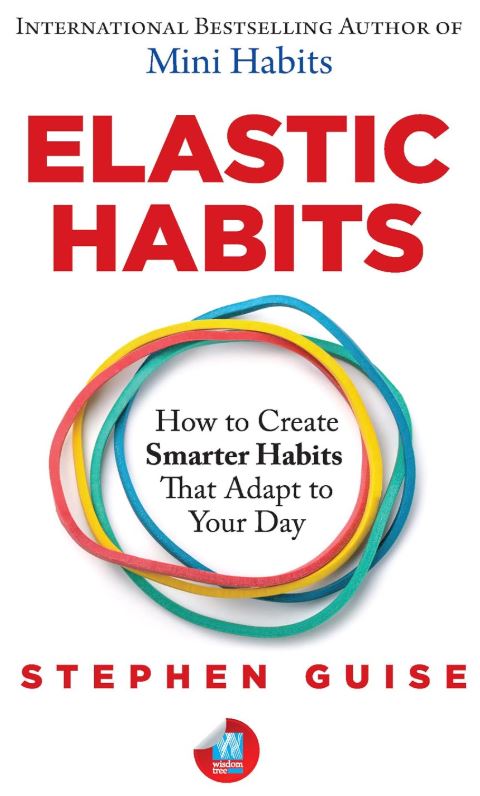
1. Elastic Habits — Stephen Guise
Best for: Adapting Your Habits When Life Becomes Unpredictable
One reason routines fall apart is that we create commitments with very little room for flexibility.
Perhaps you’ve promised yourself thirty minutes of exercise every morning.
That works beautifully until you have an unusually demanding week.
Suddenly, thirty minutes feels impossible.
Instead of doing something smaller, you abandon the activity altogether.
In Elastic Habits, Stephen Guise introduces a more adaptable approach to building habits.
The book explores the idea of having different levels of commitment, allowing readers to adjust their effort according to their circumstances.
Guise describes three levels: Mini, Plus and Elite.
For a reading habit, for example, you might choose two pages on a demanding day, fifteen pages on an ordinary day or fifty pages when you have more time.
The exact numbers aren’t the important part.
The principle is that a routine can remain meaningful even when the amount of effort changes.
This can be especially helpful when you’re returning after an interruption.
Rather than expecting yourself to immediately resume your previous schedule, you can begin with a smaller version.
What you can learn:
- Create flexible routines that suit different circumstances.
- Reduce the pressure to perform at the same level every day.
- Return to positive habits without demanding an immediate return to full intensity.
If your routines tend to collapse whenever life becomes demanding, Elastic Habits offers a practical alternative. stephenguise.com
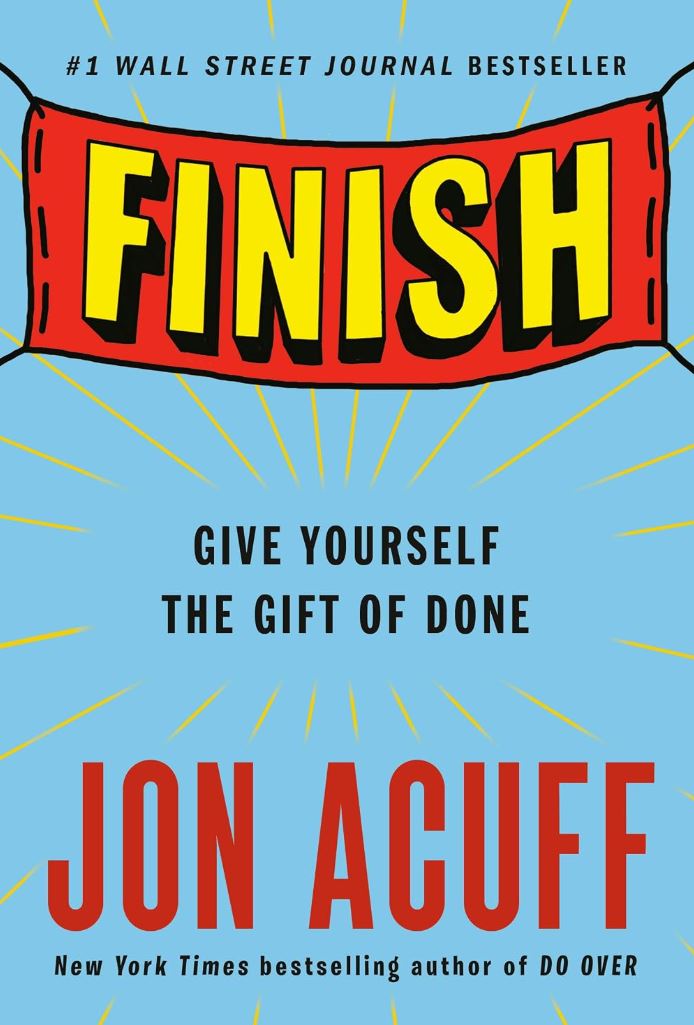
2. Finish: Give Yourself the Gift of Done — Jon Acuff
Best for: Overcoming the Feeling That You’ve Already Failed
Sometimes the hardest part of returning to a goal isn’t the work itself.
It’s the disappointment of knowing you haven’t followed your original plan.
You intended to finish a project within a month.
Three months later, it’s still unfinished.
You planned to follow a routine every day.
But you missed several sessions, and now the entire effort feels unsuccessful.
In Finish, Jon Acuff explores how perfectionism can interfere with completing meaningful goals.
The book challenges the assumption that success requires following a perfect plan.
One useful lesson is that unrealistic expectations can encourage people to abandon projects that are still worth completing.
Imagine you’ve been working on a personal website.
You intended to finish it several weeks ago, but unexpected responsibilities interrupted your progress.
You could focus entirely on the missed deadline.
Or you could reconsider what remains to be done and identify a realistic next step.
The original schedule may have changed, but the project can still be worthwhile.
What you can learn:
- Recognise when perfectionism is making progress harder.
- Reconsider unrealistic expectations.
- Continue meaningful projects without requiring everything to go exactly as planned.
Finish is particularly relevant if missing a deadline or falling behind makes you want to abandon the entire goal. Penguin Books Australia
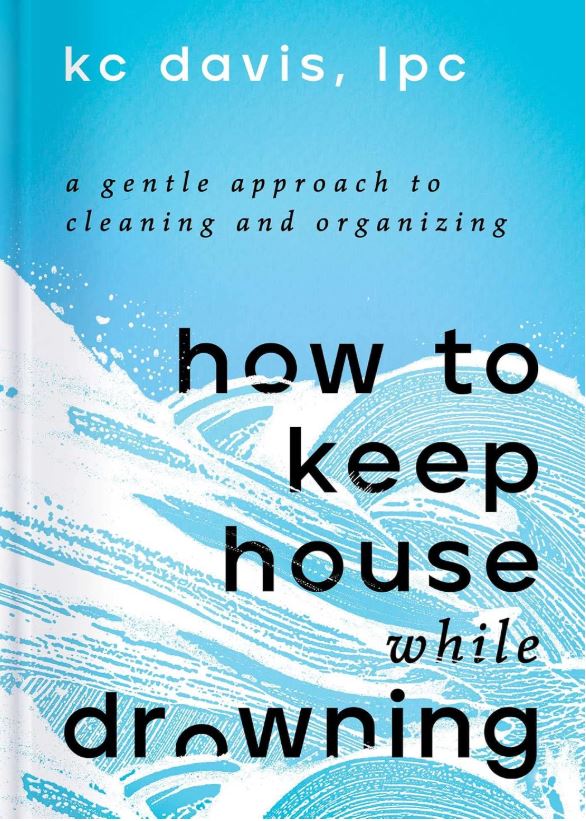
3. How to Keep House While Drowning — KC Davis
Best for: Rebuilding Everyday Routines Without Shame
When life becomes overwhelming, everyday routines can be among the first things to suffer.
Household responsibilities accumulate.
Regular activities become difficult to manage.
And even simple tasks begin feeling much more demanding than usual.
In How to Keep House While Drowning, KC Davis offers a compassionate approach to managing household care when life feels difficult.
Although the book focuses primarily on cleaning, organising and looking after your living space, its underlying ideas can also encourage a healthier relationship with everyday responsibilities.
Davis challenges the tendency to attach moral judgements to household tasks.
An untidy room doesn’t automatically mean someone is irresponsible.
An unfinished task isn’t necessarily evidence of personal failure.
Instead, the book encourages readers to think about what would make their environment more functional and manageable.
Imagine returning home after a demanding period and discovering that several household routines have fallen behind.
Rather than attempting to restore everything to perfection immediately, you could identify what would make the biggest practical difference today.
Perhaps that’s clearing one useful surface or making tomorrow morning easier.
The aim is to make everyday life more manageable, not to meet an unrealistic standard.
What you can learn:
- Approach interrupted routines with greater understanding.
- Identify practical priorities when everything feels overwhelming.
- Make small improvements without expecting immediate perfection.
This book is especially useful if falling behind on ordinary responsibilities has become a source of frustration or shame. Penguin Books Australia
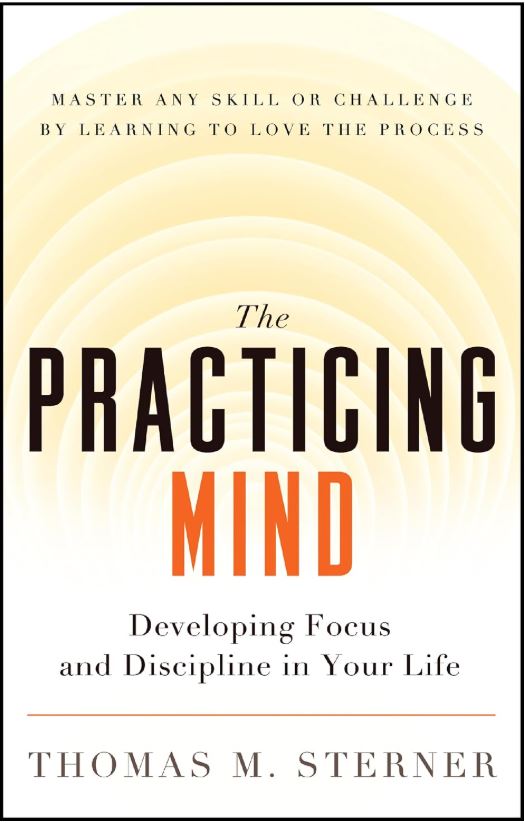
4. The Practicing Mind — Thomas M. Sterner
Best for: Developing Patience While Rebuilding Momentum
One frustrating part of returning to a routine is remembering how much easier it felt before the interruption.
Perhaps you were making steady progress with a creative skill.
You’d developed a familiar practice schedule and could see yourself improving.
Then you stopped for several weeks.
When you return, things feel awkward.
You may not perform at the same level immediately, and that can be discouraging.
In The Practicing Mind, Thomas M. Sterner explores the value of focusing on the process of practice rather than continually judging yourself against a desired result.
The book encourages patience, concentration and a more thoughtful relationship with gradual improvement.
Consider someone learning to play a musical instrument.
After taking a break, they may feel frustrated because their skills aren’t as sharp as they remember.
But instead of constantly comparing today’s performance with their previous best, they can concentrate on the practice session in front of them.
That approach can make returning feel less discouraging.
The emphasis shifts from immediately recovering everything you’ve lost to becoming engaged with the process again.
What you can learn:
- Develop patience with gradual improvement.
- Focus on the process rather than constantly measuring the outcome.
- Approach returning to a skill as another opportunity to practise.
The Practicing Mind is worth considering if you become discouraged when progress feels slower after an interruption. New World Library
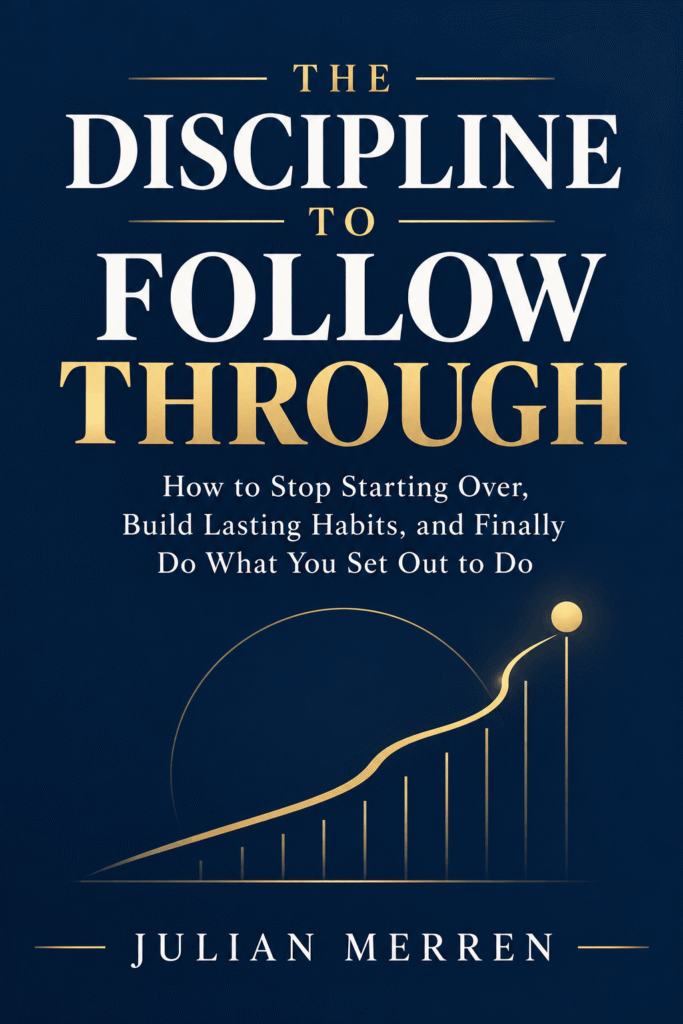
5. The Discipline to Follow Through — Julian Merren
Best for: Returning to Important Commitments Without Starting Over
Developing a good routine is one challenge.
Learning how to return when that routine gets interrupted is another.
You can have the best intentions, a realistic schedule and a meaningful goal, yet still experience setbacks.
That’s one of the central challenges explored in The Discipline to Follow Through by Julian Merren.
The book focuses on building manageable habits, overcoming procrastination, protecting attention and developing practical systems that support consistent action.
An important part of its approach is recognising what to do when you fall off track.
Rather than treating every interruption as evidence that you’ve failed, it encourages readers to reassess their commitments and identify a manageable way forward.
Perhaps you missed several planned sessions.
Maybe your responsibilities changed, and your original routine no longer fits your circumstances.
Those situations don’t necessarily mean the goal should be abandoned.
Sometimes it makes more sense to adjust the commitment, reduce the next action or choose a different time to continue.
The book also includes a separate 30-Day Follow-Through Workbook, featuring daily assignments and weekly checkpoints to help readers practise these ideas.
What you can learn:
- Return to routines after interruptions.
- Make realistic commitments that suit your current circumstances.
- Overcome procrastination and regain momentum.
- Develop consistency without relying on perfect motivation.
If you’re tired of feeling that every setback requires another fresh start, this book offers practical guidance on continuing from where you are.
Discover The Discipline to Follow Through and its 30-Day Companion Workbook
Which Books About Getting Back on Track Should You Read First?
The best choice depends on what’s making your return difficult.
If your previous routine was too rigid, begin with Elastic Habits.
If perfectionism is convincing you that you’ve already failed, consider Finish.
If everyday responsibilities have become overwhelming, How to Keep House While Drowning offers a compassionate perspective.
If you’re frustrated by how slowly your skills or routines are returning, The Practicing Mind encourages patience with the process.
And if your main challenge is rebuilding consistent action after an interruption, The Discipline to Follow Through focuses directly on that problem.
You don’t need to read every book immediately.
Choose the one that addresses your biggest obstacle and look for a useful idea you can apply.

Three Simple Ways to Return to Your Routine
Before creating another ambitious schedule, consider three practical steps.
James Clear also shares practical ways to get back on track after a setback, including giving habits a clear time and place and returning through smaller actions.
1. Start with a smaller commitment
Don’t automatically expect yourself to resume at the level you maintained before the interruption.
If you previously exercised for forty minutes, perhaps a shorter, suitable session is a more realistic starting point.
You can gradually adjust the routine as your circumstances allow.
2. Give the activity a clear place in your day
Instead of vaguely promising yourself that you’ll restart soon, identify a suitable time or situation.
Perhaps you’ll read after dinner or spend fifteen minutes working on a project before checking messages.
A clear next step makes your intention easier to act on.
3. Stop trying to make up for everything you missed
You don’t necessarily need to compensate for every missed session.
Sometimes attempting to catch up creates more pressure than simply returning to the activity.
Focus on what you can reasonably do next rather than trying to recreate the schedule you originally imagined.
Final Thoughts
If you’ve been looking for books about getting back on track, remember that losing your routine doesn’t mean every previous effort was wasted.
Life changes.
Responsibilities increase.
And sometimes the habits we’ve worked hard to establish become difficult to maintain.
The five books above offer different ways to understand those interruptions and approach the return more constructively.
You don’t need a perfect Monday, another elaborate plan or a dramatic promise to transform your entire life.
You may simply need one manageable action and a realistic opportunity to repeat it.
Because getting back on track isn’t always about starting over.
Sometimes it’s about continuing from where you are.