
Building a new habit often begins with the best intentions.
You decide to exercise regularly, spend more time reading, improve your eating habits, or finally develop a morning routine that makes your days feel more organised.
For the first few days, everything seems manageable.
You feel motivated, your plans are clear, and you’re enjoying the satisfaction of doing something positive for yourself.
Then ordinary life gets in the way.
Work becomes demanding. Your schedule changes. You miss a day, and suddenly the routine that felt so promising begins to unravel.
Before long, you’re wondering why something you genuinely want to do can be so difficult to maintain.
If you’ve been searching for books about sticking to habits, you’re probably looking for more than another motivational message.
You want to understand what makes habits last and how to continue when that initial excitement disappears.
Fortunately, several excellent books explore this challenge from different perspectives.
Here are five worth reading if you want to build routines that fit your life rather than continually starting over.
Why Do Good Habits Sometimes Feel So Difficult to Maintain?
One of the biggest challenges with developing habits is that we often create them when we’re feeling particularly motivated.
On an enthusiastic Sunday evening, committing to a demanding exercise routine or an hour of daily reading might seem perfectly reasonable.
But a few days later, circumstances can look very different.
You’re tired, distracted, or dealing with responsibilities you hadn’t anticipated.
Suddenly, the routine requires far more effort than expected.
Another difficulty is believing that consistency means doing something perfectly every single day.
When you miss a session, you may begin questioning whether you’ve failed.
But a single interruption doesn’t automatically erase the progress you’ve made.
Building lasting habits often involves learning how to make behaviours easier, adapt routines to your circumstances, and return after setbacks.
The following five books offer different ways to approach those challenges.
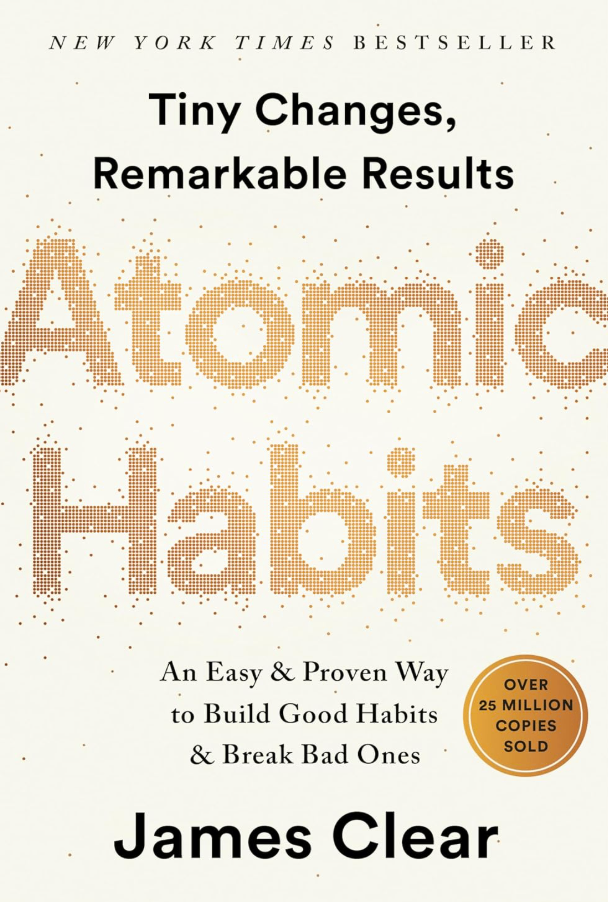
1. Atomic Habits — James Clear
Best for: Creating Systems That Make Good Habits Easier
Atomic Habits by James Clear is a practical starting point for anyone who struggles to turn good intentions into consistent behaviour.
One of the book’s central messages is that lasting improvement doesn’t always require dramatic changes.
Small actions, repeated regularly, can become the foundation for meaningful progress.
Clear encourages readers to think beyond the goals they want to achieve and examine the systems supporting those goals.
For example, wanting to read more books is a worthwhile ambition.
But that intention becomes more useful when you identify when you’ll read, where you’ll keep your book, and how to make reading a natural part of your evening.
Instead of relying entirely on remembering your goal, you’re creating circumstances that make following through easier.
The book also explores how the environment around us influences our behaviour.
Something as simple as keeping useful materials visible and reducing distractions can make a desired habit more convenient.
What you can learn:
- Build small, manageable routines instead of attempting dramatic changes.
- Make positive behaviours easier to begin and repeat.
- Pay attention to the systems and surroundings that influence daily actions.
Atomic Habits is an excellent choice if you know what you want to achieve but struggle to establish the everyday behaviours that support it.
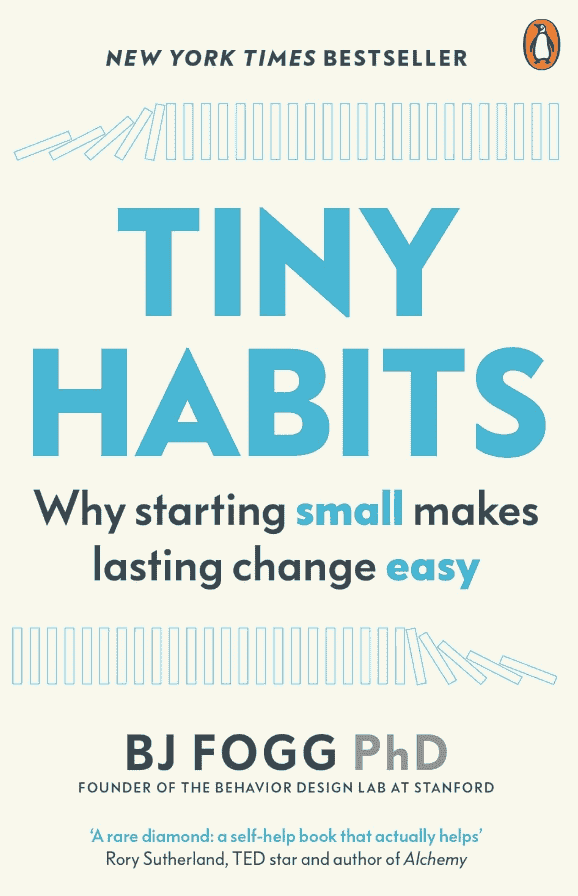
2. Tiny Habits — BJ Fogg
Best for: Making New Habits Feel Manageable
If you’ve repeatedly abandoned routines because they became too demanding, Tiny Habits by BJ Fogg offers an interesting alternative.
Fogg’s approach begins with making desired behaviours extremely small.
Rather than expecting yourself to transform an entire routine overnight, you choose a simple action that fits naturally into something you’re already doing.
Imagine wanting to become more physically active.
Instead of immediately introducing a demanding workout schedule, you might attach a very brief movement-related action to an existing daily activity.
The initial aim isn’t to achieve an impressive result.
It’s to make the behaviour easy enough to perform consistently.
Over time, you can explore ways to develop that action further.
This approach is particularly useful when previous attempts have involved setting expectations that were difficult to maintain.
Fogg also encourages people to recognise small successes rather than constantly focusing on what they haven’t achieved.
What you can learn:
- Make a new habit small enough to begin without unnecessary effort.
- Connect it to something you already do regularly.
- Recognise progress without demanding immediate transformation.
If your habits tend to disappear because your original plans are overly ambitious, Tiny Habits provides a manageable place to begin.
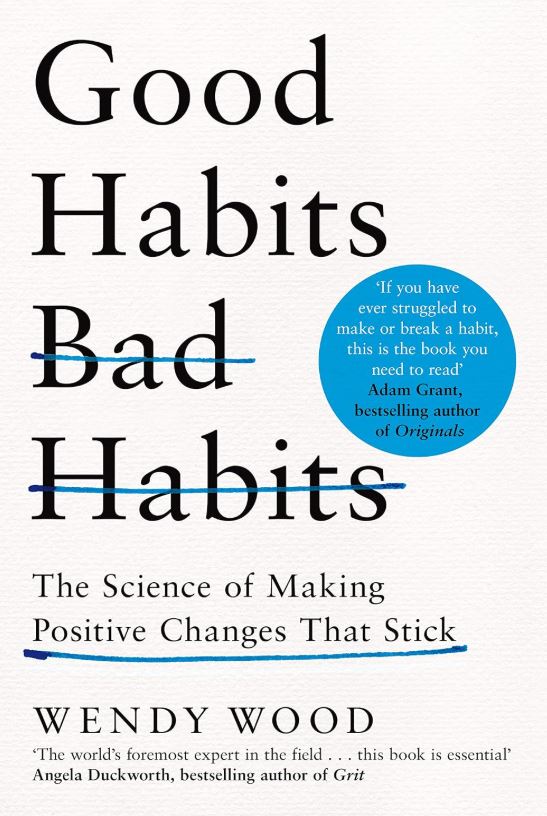
3. Good Habits, Bad Habits — Wendy Wood
Best for: Understanding Why Your Environment Matters
Many people assume that building better habits is primarily about becoming more motivated or developing stronger willpower.
But what if the circumstances surrounding your behaviour are just as important?
In Good Habits, Bad Habits, psychologist Wendy Wood explores the science of habits and how repeated behaviours become connected to familiar situations.
The book examines why habits can continue even when we’re not consciously thinking about them.
This offers a useful perspective for anyone who repeatedly struggles with the same routines.
Consider someone who wants to spend less time looking at their phone during the evening.
They might genuinely intend to read instead.
But if their phone remains beside them and notifications continually interrupt their attention, the old behaviour may remain easier than the new one.
Changing the surrounding conditions can make a difference.
You might place your phone somewhere less convenient and keep your current book within easy reach.
The aim is to reduce the effort needed for the behaviour you want while making unwanted distractions less automatic.
What you can learn:
- Recognise how familiar surroundings influence repeated actions.
- Reduce friction around positive behaviours.
- Make deliberate changes to situations that encourage unwanted routines.
Good Habits, Bad Habits is particularly useful if motivation alone hasn’t been enough to change your everyday behaviour.
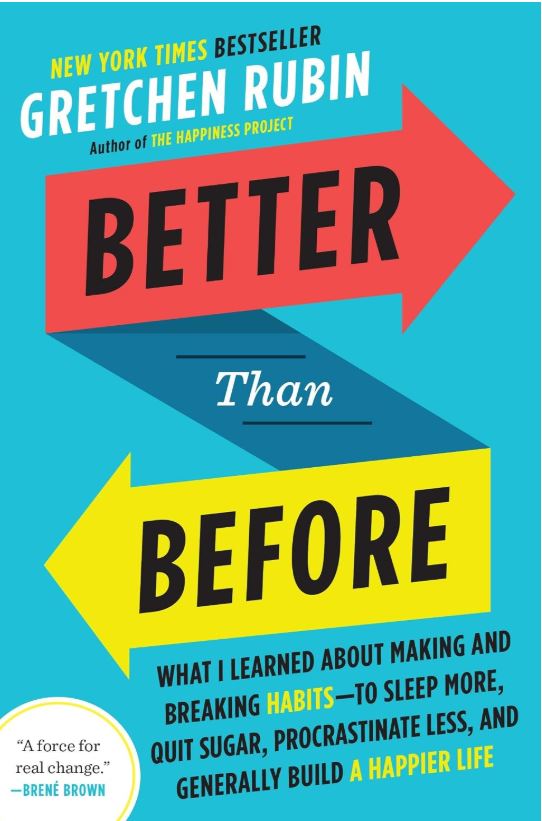
4. Better Than Before — Gretchen Rubin
Best for: Finding Habit Strategies That Suit Your Personality and Lifestyle
One reason habit-building advice can feel frustrating is that people don’t all respond to the same strategies.
Some enjoy tracking their progress.
Others prefer flexibility.
Certain people find deadlines and accountability helpful, while others respond better to routines that give them greater independence.
Better Than Before by Gretchen Rubin explores different approaches to creating and maintaining habits.
Rather than assuming one method will work for everybody, Rubin encourages readers to consider their individual tendencies and circumstances.
This can be especially valuable if you’ve tried popular productivity systems without finding one that feels sustainable.
Perhaps an early morning routine works beautifully for someone else but regularly leaves you exhausted.
Or maybe a strict daily schedule creates unnecessary pressure instead of helping you remain consistent.
The solution might not be forcing yourself to follow that system more aggressively.
It might be choosing a different approach.
What you can learn:
- Consider your personal preferences when designing routines.
- Experiment with different habit-building strategies.
- Avoid assuming that someone else’s successful system must be right for you.
Better Than Before is worth reading if you’ve struggled to find a realistic approach to habits that works with your personality and everyday responsibilities.
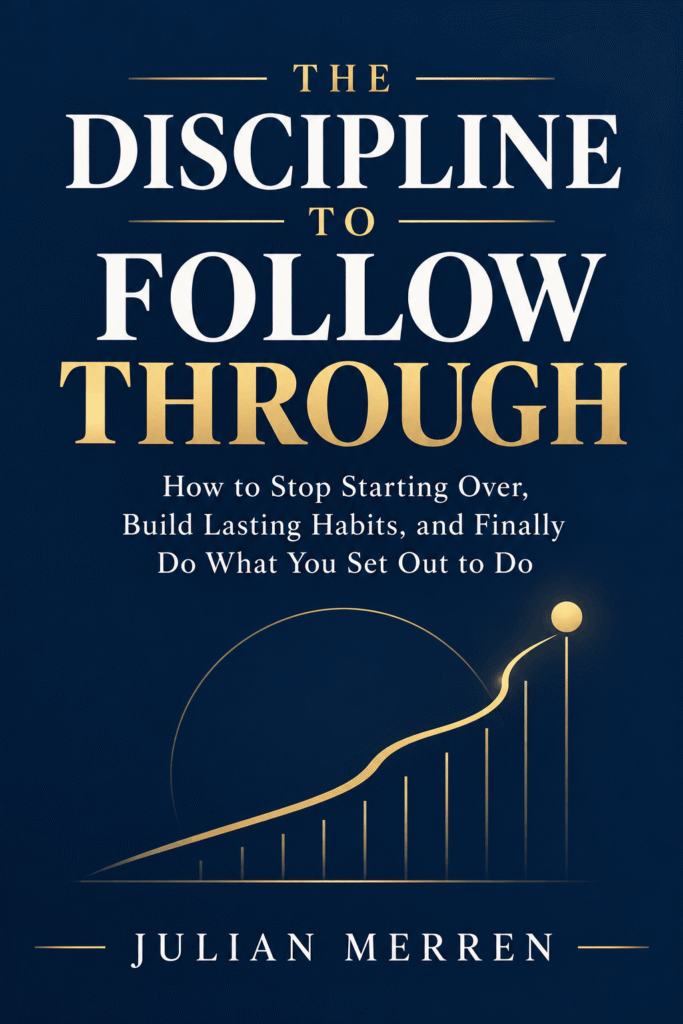
5. The Discipline to Follow Through — Julian Merren
Best for: Staying Consistent When Motivation Fades
Starting a new habit can be exciting.
Maintaining it through busy schedules, difficult days, distractions, and unexpected interruptions is another challenge altogether.
That’s the central problem explored in The Discipline to Follow Through by Julian Merren.
The book focuses on making realistic commitments and developing the practical self-discipline needed to continue when initial enthusiasm disappears.
Rather than encouraging readers to change everything at once, it explores how to build manageable habits, overcome procrastination, protect attention, and create routines that work within everyday life.
An important part of this approach is learning how to respond when things don’t go according to plan.
Missing a day doesn’t necessarily mean abandoning your routine or returning to the beginning.
Sometimes the most useful response is simply identifying the next manageable action and continuing from there.
The book also explores developing a personal follow-through system, giving readers a framework for making commitments they can realistically maintain.
It includes a separate 30-Day Follow-Through Workbook, with practical daily assignments and weekly checkpoints to help readers put those ideas into action.
What you can learn:
- Make realistic commitments instead of attempting to change everything.
- Continue working towards your goals when motivation fades.
- Recover from missed sessions without abandoning your progress.
- Develop a practical system for building long-term consistency.
If you’ve repeatedly started good habits only to watch them disappear after a few weeks, this book offers a useful approach to following through.
Discover The Discipline to Follow Through and its 30-Day Companion Workbook
Which of These Books About Sticking to Habits Should You Read First?
The right book depends on what’s making consistency difficult for you.
If you need a practical system for developing small routines, begin with Atomic Habits.
If your biggest challenge is trying to change too much at once, Tiny Habits offers a gentler starting point.
If you want to understand how surroundings and repeated behaviours influence your actions, explore Good Habits, Bad Habits.
If standard routines never seem to suit your lifestyle, consider Better Than Before.
And if your main difficulty is continuing after motivation fades or life interrupts your plans, The Discipline to Follow Through focuses on developing that ability.
You don’t need to read all five immediately.
Choose the one that addresses your biggest obstacle and concentrate on applying what you learn.
Reading about better habits can be valuable, but lasting progress comes from putting useful ideas into practice.
Three Questions to Ask Before Starting Another Habit
Before introducing another ambitious routine, take a moment to consider three questions.
1. Can I realistically maintain this on a difficult day?
It’s easy to make plans when you’re feeling energetic.
Try imagining an ordinary, demanding day instead.
Would your proposed habit still be manageable?
If not, consider creating a smaller version that you can return to when time or energy is limited.
2. What will remind me to do it?
A habit becomes easier to remember when it has a clear place in your routine.
You might connect it to an existing activity, establish a suitable time, or arrange your environment so the necessary materials are easy to access.
The goal is to reduce the number of decisions required before taking action.
3. What happens when I miss a session?
At some point, your plans will probably be interrupted.
Rather than waiting until that happens, decide how you’ll respond.
You might resume at the next scheduled opportunity or adjust your routine if circumstances have genuinely changed.
Having a sensible recovery plan can help prevent a temporary interruption from becoming another abandoned goal.
Final Thoughts
Finding the right books about sticking to habits can help you understand why previous attempts haven’t worked as expected.
Perhaps you’ve been relying too heavily on motivation, creating routines that are too demanding, overlooking the influence of your environment, or trying to follow systems that don’t suit your lifestyle.
Each of the five books above offers a different perspective on those challenges.
But the most important lesson is that building lasting habits doesn’t require a perfect beginning.
It requires a realistic approach that gives you a way to continue.
Choose one habit that genuinely matters to you.
Make it manageable, give it a clear place in your routine, and allow yourself to adjust when life becomes difficult.
Because meaningful change isn’t always about doing something extraordinary.
Sometimes it’s about making an ordinary positive action easier to repeat.