

There’s something strangely comforting about telling yourself you’ll do something tomorrow.
Tomorrow, you’ll finally tackle that project you’ve been avoiding.
Tomorrow, you’ll organise your finances, begin studying, complete that important task or get started on a goal you’ve been thinking about for months.
And when tomorrow arrives?
Well, perhaps next week would be better.
You find something else to do, convince yourself you’re not quite ready, or spend so much time preparing that the actual work never begins.
Before long, another week has passed.
If this sounds familiar, you may be searching for books for people who procrastinate because you’re tired of watching good intentions turn into unfinished responsibilities.
The encouraging thing is that procrastination isn’t always as simple as being lazy or lacking discipline.
Sometimes you’re avoiding an uncomfortable feeling. Sometimes the task seems overwhelming, or perhaps you’re worried about making mistakes.
Understanding what’s happening can make it easier to respond.
These five books approach procrastination from different perspectives, offering practical ideas for taking action, managing difficult tasks and building the consistency to follow through.
Why Do We Keep Putting Things Off?
Procrastination can feel irrational.
You know that completing a particular task would make your life easier, yet you continue avoiding it.
Perhaps you’ve been putting off an important conversation because you’re worried about how it will go.
Maybe you haven’t started an assignment because the amount of work feels intimidating.
Or you keep delaying a personal project because you’re afraid the finished result won’t meet your expectations.
Avoiding the task may provide temporary relief, but the responsibility usually remains.
The American Psychological Association offers a useful explanation of why procrastination is often connected to our emotions, rather than simply being a failure to manage time.
Research discussed by the American Psychological Association highlights the role of uncomfortable emotions in procrastination, rather than explaining the behaviour solely through poor time management. apa.org
That’s an important distinction.
If the problem involves anxiety about beginning, unrealistic expectations or difficulty managing competing priorities, another complicated to-do list might not be the entire solution.
You may need to reconsider how you’re approaching the task itself.
1. Solving the Procrastination Puzzle — Timothy A. Pychyl
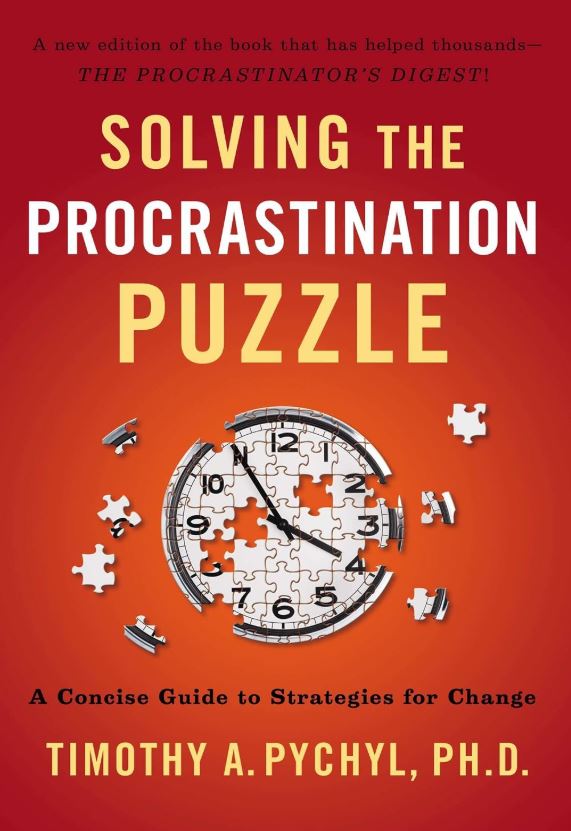
Best for: Understanding Why You Avoid Important Tasks
Solving the Procrastination Puzzle by Timothy A. Pychyl is a concise introduction to the psychology of procrastination.
Rather than treating procrastination as a simple failure of time management, Pychyl explores why people delay activities they genuinely intend to complete.
One useful theme is the relationship between our immediate feelings and our longer-term goals.
Imagine you’ve been meaning to prepare an important presentation.
You know that starting early would reduce pressure later.
But the task makes you uncomfortable because you’re uncertain where to begin.
Instead of opening the presentation, you check messages or complete smaller, easier jobs.
For a little while, you feel better.
Unfortunately, the presentation is still waiting.
Pychyl’s approach encourages readers to recognise these patterns and consider practical ways to interrupt them.
What you can learn:
- Recognise emotional triggers behind procrastination.
- Understand why short-term relief can lead to longer-term frustration.
- Develop more deliberate responses to tasks you’d rather avoid.
If you regularly wonder why you postpone things that genuinely matter to you, this book provides a thoughtful starting point.
2. The Now Habit — Neil Fiore
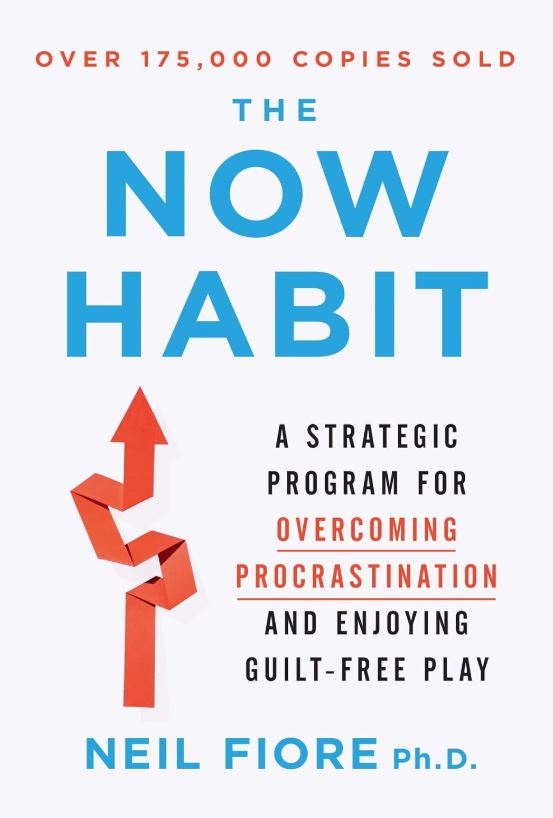
Best for: Overcoming Perfectionism and Pressure
Sometimes procrastination develops because you’ve made a task feel unnecessarily intimidating.
You want to write something, but you’re worried it won’t be good enough.
You need to begin an important project, but you’re convinced you’ll make mistakes.
Or you have so many expectations about the finished result that even beginning feels unpleasant.
The Now Habit by Neil Fiore examines these difficulties and offers strategies for approaching work with less unnecessary pressure.
The book explores how procrastination can become connected to perfectionism, anxiety and demanding expectations.
It also encourages readers to reconsider the relationship between productive work and guilt-free leisure.
This is particularly relevant for people who spend hours worrying about unfinished responsibilities without actually making progress.
Imagine you’ve been avoiding writing a report because you expect the first draft to be excellent.
What if you allowed yourself to produce a rough draft instead?
You’d still need to review and improve it, but you’d have something concrete to work with.
What you can learn:
- Recognise when perfectionism is making tasks harder.
- Develop a more manageable approach to beginning.
- Create room for productive work without treating rest as something you haven’t earned.
The Now Habit is especially useful if pressure and unrealistic expectations regularly prevent you from getting started.
3. Eat That Frog! — Brian Tracy
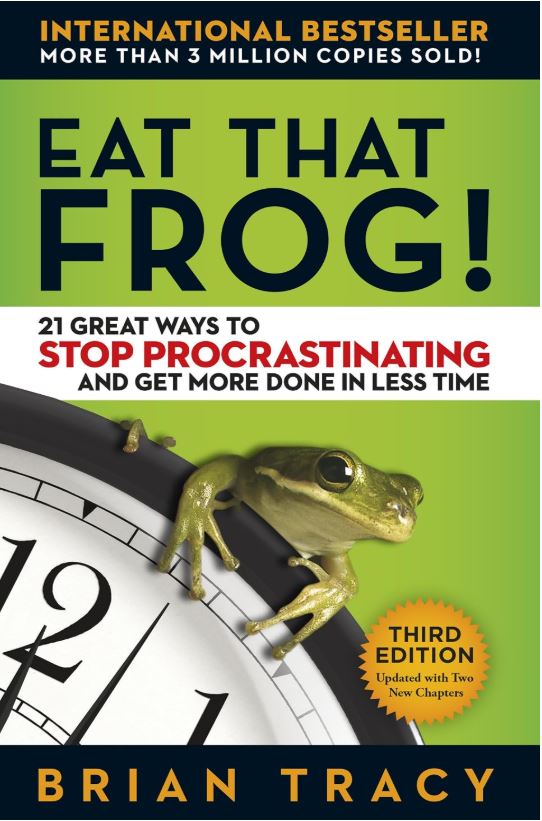
Best for: Tackling Important Tasks Instead of Staying Busy
Have you ever reached the end of a busy day and realised you haven’t completed the one thing you really needed to do?
You’ve answered emails, tidied your workspace, organised your calendar and dealt with several smaller responsibilities.
Yet the most important task remains untouched.
Eat That Frog! by Brian Tracy focuses on overcoming procrastination through clearer priorities and practical time management.
The title refers to tackling an important, challenging task rather than continually postponing it.
One valuable lesson is that being busy isn’t necessarily the same as making meaningful progress.
Consider someone trying to launch a small business.
They spend days researching website designs, comparing software and adjusting minor details.
But they keep avoiding the task that would actually move the project forward.
Perhaps that task involves publishing the first product page or contacting a potential customer.
Tracy’s approach encourages readers to identify their most valuable work and give it deliberate attention.
What you can learn:
- Identify which tasks deserve priority.
- Break demanding projects into manageable actions.
- Avoid filling your day with easy activities while important work remains unfinished.
If you’re frequently occupied but rarely completing your most meaningful tasks, Eat That Frog! is worth exploring.
4. Procrastination: What It Is, Why It’s a Problem, and What You Can Do About It — Fuschia M. Sirois
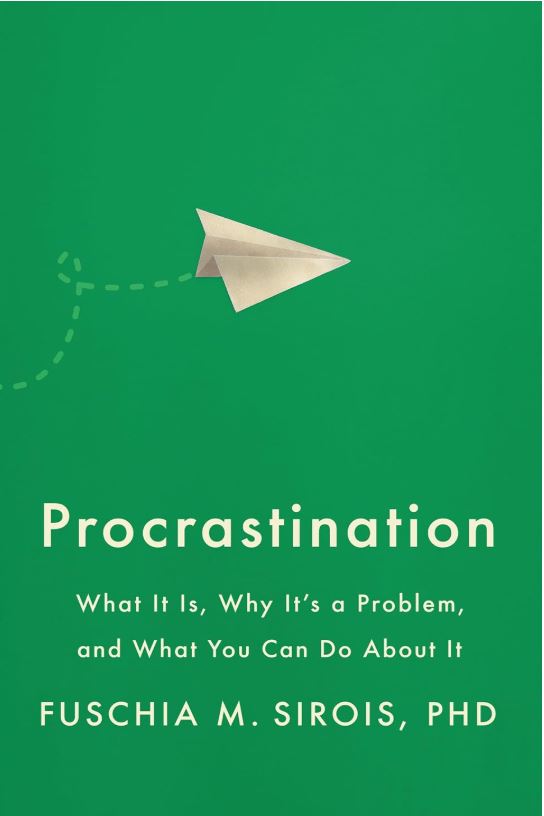
Best for: Understanding the Emotional Side of Procrastination
Not everybody procrastinates for the same reason.
Some people feel overwhelmed by complicated tasks.
Others worry about failure, become discouraged by unpleasant work or struggle with the emotions surrounding their responsibilities.
In Procrastination: What It Is, Why It’s a Problem, and What You Can Do About It, psychologist Fuschia M. Sirois explores the emotional processes involved in procrastination.
Published by the American Psychological Association, the book draws on psychological research to explain why people delay important activities and how they can respond more effectively.
One particularly helpful perspective is that harsh self-criticism isn’t always useful when trying to change a behaviour.
Imagine you’ve been avoiding an important task for several days.
You finally sit down to work, but instead of concentrating on what you can do next, you begin criticising yourself for wasting time.
That frustration can make an already uncomfortable experience feel worse.
A more constructive approach might involve recognising what happened, understanding why the task felt difficult and choosing a realistic next step.
What you can learn:
- Understand why difficult emotions can encourage avoidance.
- Recognise patterns that keep procrastination going.
- Approach setbacks more constructively instead of relying on self-criticism.
This book is an especially good choice if you want to understand the psychological reasons behind your tendency to delay.
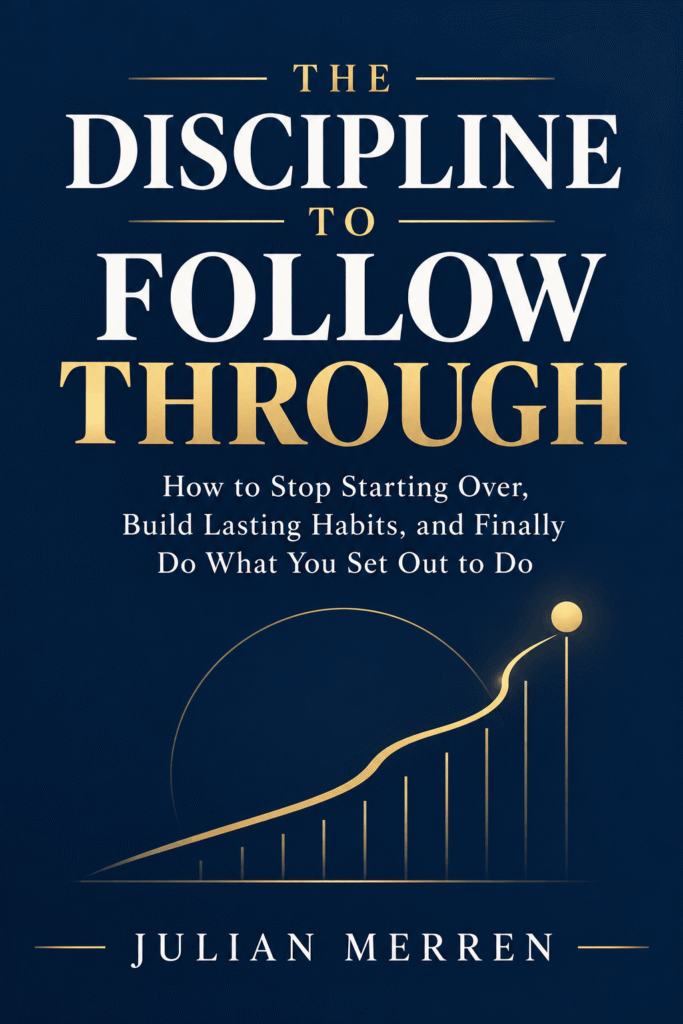
5. The Discipline to Follow Through — Julian Merren
Best for: Turning Good Intentions Into Consistent Action
Understanding why you procrastinate is valuable.
But eventually, you still need to put that understanding into practice.
You need to begin the task, continue when it becomes difficult and return when unexpected responsibilities interrupt your plans.
That’s the challenge explored in The Discipline to Follow Through by Julian Merren.
The book focuses on building manageable habits, overcoming procrastination, protecting attention and developing practical systems for completing meaningful commitments.
Rather than encouraging readers to rely on endless motivation, it explores how to make realistic promises to yourself and turn them into repeatable actions.
An important part of its approach is learning how to recover when things don’t go according to plan.
Perhaps you miss a scheduled work session.
Or a personal project takes longer than you expected.
That doesn’t necessarily mean abandoning the goal or beginning again from scratch.
Sometimes the most useful response is to identify the next manageable step and continue.
The book also includes a separate 30-Day Follow-Through Workbook, featuring daily assignments and weekly checkpoints to help readers put these principles into practice.
What you can learn:
- Break important goals into realistic commitments.
- Overcome procrastination by making tasks easier to begin.
- Protect your attention from unnecessary distractions.
- Continue after setbacks without repeatedly starting over.
If you find yourself making plans but struggling to turn those plans into action, this book offers a practical approach to developing consistency.
Discover The Discipline to Follow Through and its 30-Day Companion Workbook
Which Books for People Who Procrastinate Should You Read First?
The most useful choice depends on why you’re putting things off.
If you want to understand the psychological reasons behind your avoidance, begin with Solving the Procrastination Puzzle.
If perfectionism and pressure regularly prevent you from starting, consider The Now Habit.
If you spend too much time on minor tasks while important responsibilities remain unfinished, Eat That Frog! offers a useful approach to prioritising.
If you’re interested in the role of emotions and self-criticism, Fuschia Sirois’s Procrastination explores those issues in greater depth.
And if your biggest challenge is consistently turning intentions into action, The Discipline to Follow Through focuses on developing habits and practical systems that support follow-through.
You don’t need to read all five immediately.
Choose the book that most closely addresses your particular difficulty and look for one idea you can begin applying.

Three Practical Ways to Stop Putting Everything Off
Before committing to another elaborate productivity system, consider three simple changes.
1. Make the first step unmistakably clear
A task such as “sort out my finances” can feel overwhelming because it involves several different responsibilities.
A smaller action, such as reviewing your latest bank statement, gives you something specific to begin with.
Clarity can make an intimidating task easier to approach.
2. Make room for the task before distractions take over
If something matters, decide when you’ll give it your attention.
You don’t necessarily need an entire free afternoon.
Sometimes a realistic period of focused work is enough to move a project forward.
3. Notice what you’re avoiding
When you catch yourself postponing a task, ask what makes it uncomfortable.
Is it uncertainty?
Fear of making mistakes?
The amount of work involved?
Or are you genuinely exhausted and in need of recovery?
Understanding the obstacle may help you choose a more useful response than simply telling yourself to try harder.
Final Thoughts
If you’ve been searching for books for people who procrastinate, remember that avoiding important tasks doesn’t automatically mean you’re incapable of becoming more disciplined.
The difficulty may involve emotions, unrealistic expectations, competing priorities or a lack of clarity about what to do next.
The five books above offer different ways to understand those challenges and begin responding more effectively.
But reading about procrastination is only a starting point.
Meaningful change begins when you apply an idea to something you’ve been avoiding.
Choose one important task.
Identify the next manageable action.
And give yourself an opportunity to begin, even if the circumstances aren’t perfect.
Because the longer you wait for the perfect moment, the longer an important goal can remain unfinished.
Sometimes the most useful moment to begin is simply the next one available.