
Debt has a way of occupying far more space in your life than the number written on a statement.
It’s there when you get paid and immediately watch much of the money disappear. It’s there when an unexpected expense arrives. And it’s there when you think about plans you’d like to make but don’t feel financially ready for.
Eventually, it can begin to feel as though you’re working for your debt rather than working towards your future.
That’s why the best books about getting out of debt don’t simply tell you to spend less and repay more. They help you understand how you arrived where you are, create a workable plan and, perhaps most importantly, start believing that your financial situation can change.
These five books approach that challenge in different ways.
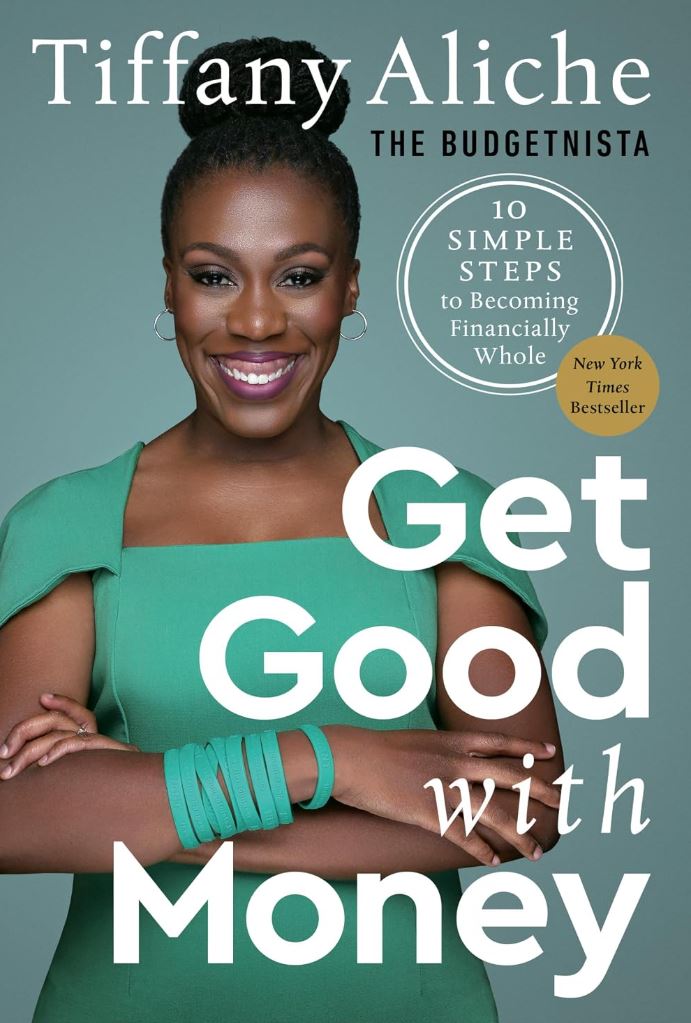
1. Get Good with Money — Tiffany Aliche
Best for rebuilding your overall financial foundation
Sometimes debt isn’t an isolated problem.
It’s one part of a financial life that has gradually become difficult to manage.
That’s what makes Tiffany Aliche’s Get Good with Money an interesting place to begin. Its scope extends beyond simply eliminating balances and towards creating a stronger overall financial foundation.
That distinction matters.
You can concentrate entirely on debt repayment while ignoring the reasons you’re repeatedly relying on credit. If there’s no emergency buffer, no workable spending system or no room between income and expenses, the next unexpected cost can send you straight back to borrowing.
A broader approach encourages you to look at the whole picture.
Where is your money going?
What needs strengthening?
Which financial habits are helping you?
Which ones keep pulling you backwards?
Getting out of debt matters, but building a system that makes it easier to stay out matters too.
Read this if: your debt feels like one part of a larger money problem that needs reorganising.
2. The Total Money Makeover — Dave Ramsey
Best for readers who want a highly structured approach
The Total Money Makeover is probably one of the best-known books specifically associated with debt reduction.
Dave Ramsey’s approach is deliberately straightforward and highly structured. A particularly well-known element is the “debt snowball”, in which debts are tackled from the smallest balance upwards while minimum payments continue on the others.
From a purely mathematical perspective, directing extra repayments towards higher-cost debt can save more interest. Australia’s Moneysmart, for example, recommends paying minimums across debts and directing extra money towards the debt with the highest fees and interest rate if your aim is to reduce interest costs.
Ramsey’s approach emphasises something different: momentum.
Clearing one balance can give you a visible win. Then the money previously going towards that debt can be directed towards the next.
You don’t have to agree with every part of a financial book for one of its ideas to be useful.
Read this if: you respond well to clear rules, milestones and a structured plan.
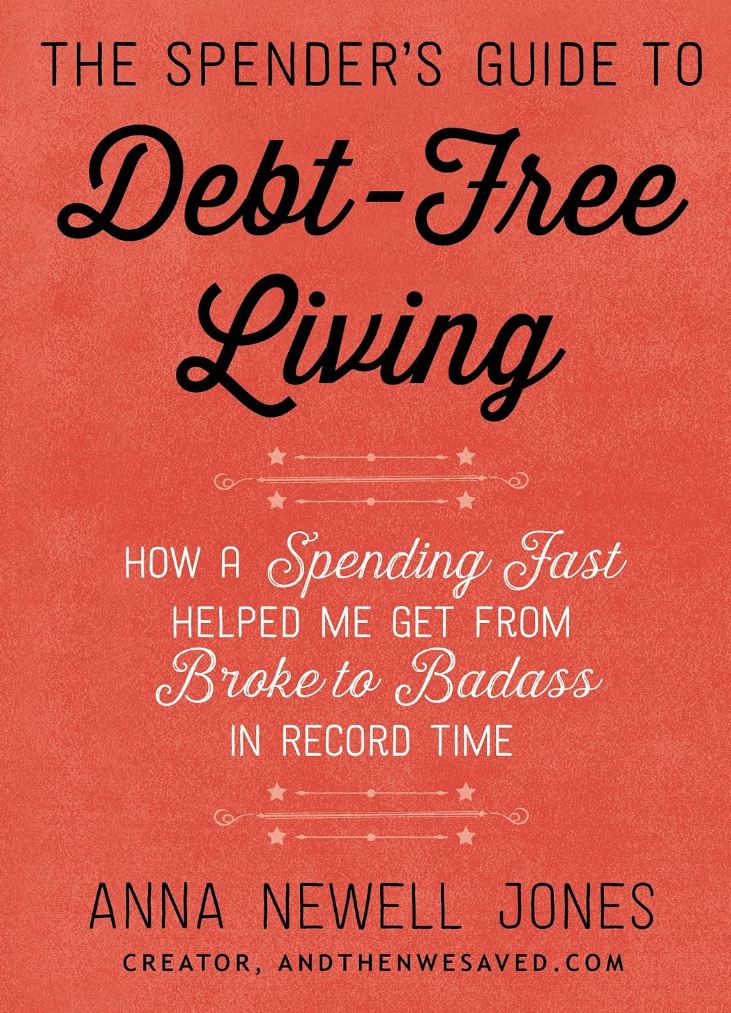
3. The Spender’s Guide to Debt-Free Living — Anna Newell Jones
Best for understanding the spending side of debt
There’s a temptation to treat debt as though it exists only on a spreadsheet.
But numbers don’t spend money.
People do.
Anna Newell Jones’s The Spender’s Guide to Debt-Free Living is particularly relevant for readers who recognise that their spending habits have contributed to their debt.
That’s an important distinction because reducing debt without changing the behaviour behind it can become frustratingly temporary.
You make progress.
Then spending increases.
The balance climbs again.
And suddenly you’re back where you started.
A sustainable debt plan therefore needs to involve more than repayments. It may also require looking at the situations, habits and assumptions that influence how you spend.
Not so that you can punish yourself for past choices.
So that you can make different ones.
Read this if: you want to address your spending habits alongside your debt balances.
4. Debt-Free Forever — Gail Vaz-Oxlade
Best for turning a large problem into manageable steps
One reason debt feels overwhelming is that we tend to look at the entire amount.
£5,000.
£20,000.
£40,000.
Whatever your number is, staring at the total can make progress seem painfully slow.
Gail Vaz-Oxlade’s Debt-Free Forever focuses directly on eliminating consumer debt and creating a plan for doing it.
And planning changes the nature of the problem.
Instead of:
“I owe all this money.”
you can begin asking:
“What needs to happen this month?”
That’s a much more useful question.
A repayment plan gives the debt direction. It also gives you something against which you can measure progress.
You may still owe money next month.
But owing less than you owe today is progress.
Read this if: the size of your debt is making it difficult to know where to start.
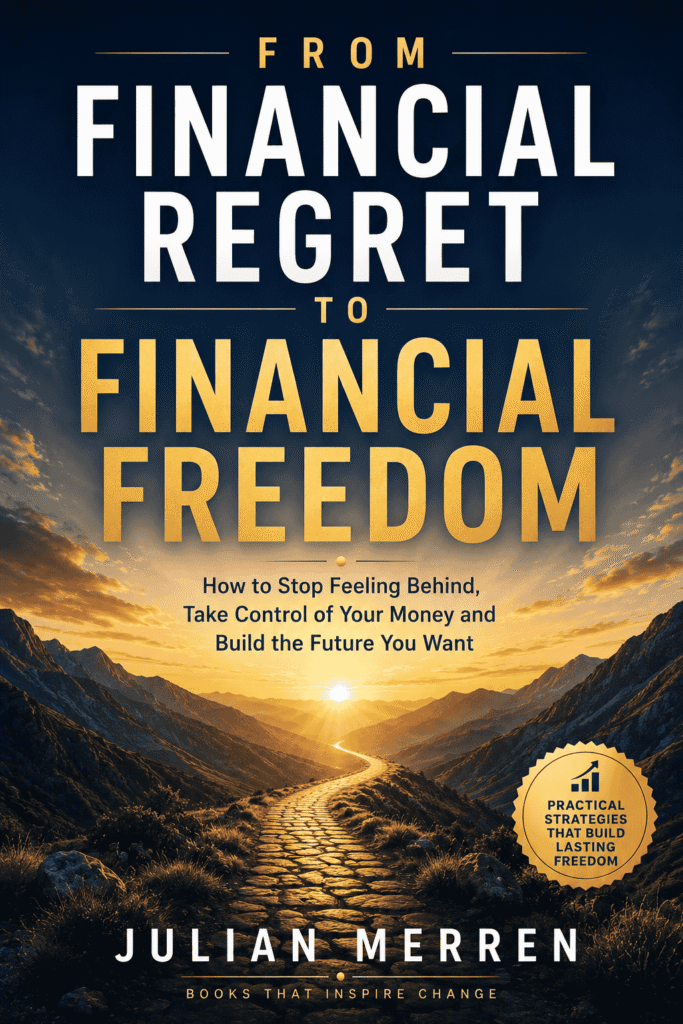
5. From Financial Regret to Financial Freedom — Julian Merren
Best for moving forward when debt is part of your financial regret
Debt doesn’t always create only financial pressure.
Sometimes it creates regret.
You think about what else you could have done with the money.
You calculate how much interest you’ve paid.
You remember purchases that no longer seem worth it.
And perhaps you look at your age and think:
“I should be building wealth by now, not still paying off debt.”
That’s where From Financial Regret to Financial Freedom by Julian Merren approaches the subject from a slightly different direction.
The book isn’t exclusively about debt. Instead, debt is treated as one part of rebuilding a stronger financial life.
It begins with financial regret and feeling behind before moving through understanding your current position, finding money within what you’re already earning, creating a financial safety net, breaking the debt cycle and beginning to build wealth.
That wider perspective matters if you’re not simply trying to reach zero.
You’re trying to create somewhere better to go afterwards.
If debt and past money decisions are making you feel financially behind, you can explore From Financial Regret to Financial Freedom and see whether its approach fits where you are now.
What Books About Getting Out of Debt Can — and Can’t — Do
A book cannot repay your credit card.
But the right book can help you stop treating debt as one enormous, shapeless problem.
It can give you a method.
It can help you understand your behaviour.
It can give you a place to begin.
And it can help you recognise that getting out of debt isn’t simply about deprivation.
It’s about gradually buying back your future income.
Every debt you clear means one less claim on money you haven’t earned yet.
That’s a powerful way to think about it.
Start by Knowing Exactly What You Owe
Avoiding the numbers can temporarily reduce discomfort, but it also makes it difficult to create a plan.
A useful first step is simply to list each debt along with:
- the outstanding balance;
- the interest rate;
- any relevant fees;
- the minimum repayment; and
- the payment due date.
Moneysmart currently recommends beginning by getting a clear picture of everything you owe, then working out what you can afford to repay after looking at income and expenses. It also advises prioritising essential payments such as housing and utilities before focusing on other debts.
You may not like the number at the bottom of your list.
That’s all right.
The purpose isn’t to judge it.
It’s to stop guessing.
Choose a Repayment Strategy You Can Actually Follow
There isn’t much value in creating the theoretically perfect debt plan if you abandon it three weeks later.
One approach is to concentrate extra repayments on your most expensive debt while maintaining required payments elsewhere. This generally reduces the interest you pay over time.
Another approach prioritises smaller balances to create quicker psychological wins.
Whichever method you use, consistency matters.
And if your debts are unmanageable, you’re struggling with essential bills, or repayments are falling behind, a book shouldn’t replace qualified assistance. Free financial counselling and hardship options may be available; in Australia, Moneysmart provides information about these services and the National Debt Helpline.
Getting Out of Debt Is Only Half the Story
Imagine eventually making your final repayment.
What happens to that money next?
That’s where debt reduction can become something much bigger.
The £200 that once went towards a credit card could begin building an emergency fund.
Later, perhaps it goes towards investing.
The money hasn’t suddenly appeared.
You’ve simply reclaimed it.
That’s why taking control of debt can become such an important turning point.
You’re not only reducing what you owe.
You’re increasing how much of your future income belongs to you.
Which Book Should You Start With?
If your entire financial system needs strengthening, start with Get Good with Money.
If you prefer a strict step-by-step approach, consider The Total Money Makeover.
If spending behaviour is the bigger issue, The Spender’s Guide to Debt-Free Living may speak more directly to you.
If you need to turn a daunting balance into a practical repayment plan, look at Debt-Free Forever.
And if debt is tangled up with regret, starting late and feeling financially behind, From Financial Regret to Financial Freedom offers the broader rebuilding perspective.
You don’t need to read all five before taking action.
Choose the one that addresses the obstacle you’re facing now.
Taking Back Control Starts Before the Debt Reaches Zero
Perhaps that’s the most useful lesson from these books about getting out of debt.
You don’t regain control on the day your balance finally reaches zero.
You begin regaining it much earlier.
The day you stop avoiding the numbers.
The day you create the plan.
The first month your balance falls instead of rises.
The moment you clear one debt completely.
Those milestones may seem small compared with the total amount you owe.
But they’re evidence that the direction has changed.
And once the direction changes, the question is no longer simply:
“How did I get into this situation?”
It becomes:
“Where can I go from here?”
Pick one book. Take one useful idea from it. Then turn that idea into one action.
Your debt may not disappear quickly.
But control can begin returning much sooner.