

You open your phone to check the weather, answer a message and scroll through a few posts. Your banking app is right there, but you leave it alone.
There might be a bill you’ve put under a pile of paperwork. Perhaps you know roughly what you owe, yet keep finding reasons to avoid checking the total. Even a quiet afternoon can fill up before you get round to dealing with it.
These books about money avoidance offer different ways into a subject that can feel surprisingly difficult to face. Some explore the feelings attached to money. Others help you understand unfamiliar concepts or begin putting your financial information in order.
The aim is to find a starting point you can actually use.
Why looking at your money can feel so difficult
Checking a balance can bring several worries into the room at once. You might be afraid there won’t be enough for the next bill. You might expect to feel embarrassed about a purchase or reminded of how much you wish you’d saved.
For some people, the difficulty is uncertainty. A pension or superannuation statement arrives full of unfamiliar terms, and leaving it unopened feels easier than working out what it means.
Avoidance can also happen when money is genuinely tight. Looking at a shortfall doesn’t automatically reveal a way to cover it. That deserves practical support as well as understanding.
Before choosing a book, think about what tends to stop you. Is it the feeling you expect, the information you don’t understand or the number of decisions you imagine you’ll have to make?
Five books about money avoidance and where to begin
1. My Money My Way by Kumiko Love
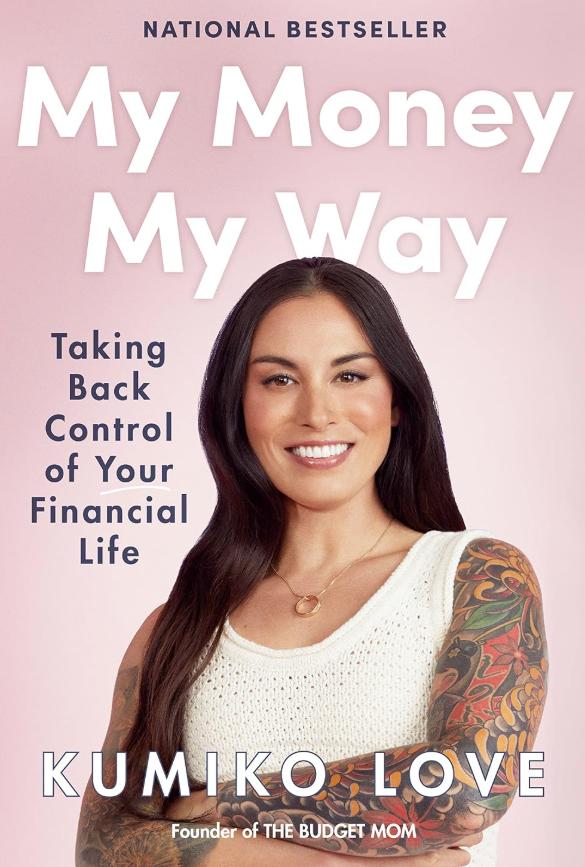
Best for readers who dread what their bank balance will make them feel.
Kumiko Love addresses financial fear, shame and comparison alongside budgeting and debt repayment. Her approach connects the emotional side of money with a plan shaped around a reader’s circumstances, values and needs.
That makes this a relevant starting point if checking your finances tends to set off a long argument with yourself. Perhaps seeing a low balance leads straight to thinking about what everyone else seems able to afford. By the time you close the app, you feel discouraged and still haven’t decided what to do.
Love’s combination of personal experience and practical planning may appeal if previous budgets felt punishing or unrealistic.
A small step to try: Before opening the app, write down one factual question you want answered. You might want to know whether a particular payment has gone through. Answering that question gives the check-in a clear purpose.
2. Finance for the People by Paco de Leon
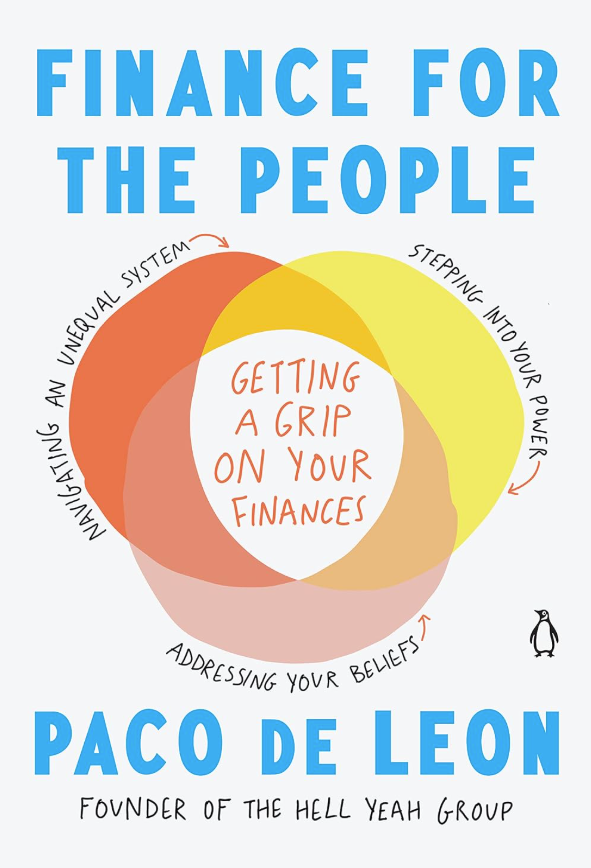
Best for readers who feel shut out by financial language and expectations.
Paco de Leon combines practical exercises with reflection on the beliefs and experiences people bring to money. The book uses illustrations and diagrams to make financial ideas more approachable, while acknowledging the wider pressures that shape people’s circumstances.
It’s a useful option if financial advice often makes you feel as though you’ve walked into a conversation everyone else already understands.
That feeling can make even ordinary administration intimidating. You might postpone reading a statement because you expect to encounter a term you don’t recognise, then put off asking because you think you should already know.
This book offers a way to build understanding while examining those assumptions.
A small step to try: Choose one unfamiliar term from a statement and find out what it means. You can leave the rest for another session. A specific question is easier to work with than a vague sense that you don’t understand money.
3. Money on Your Mind by Vicky Reynal
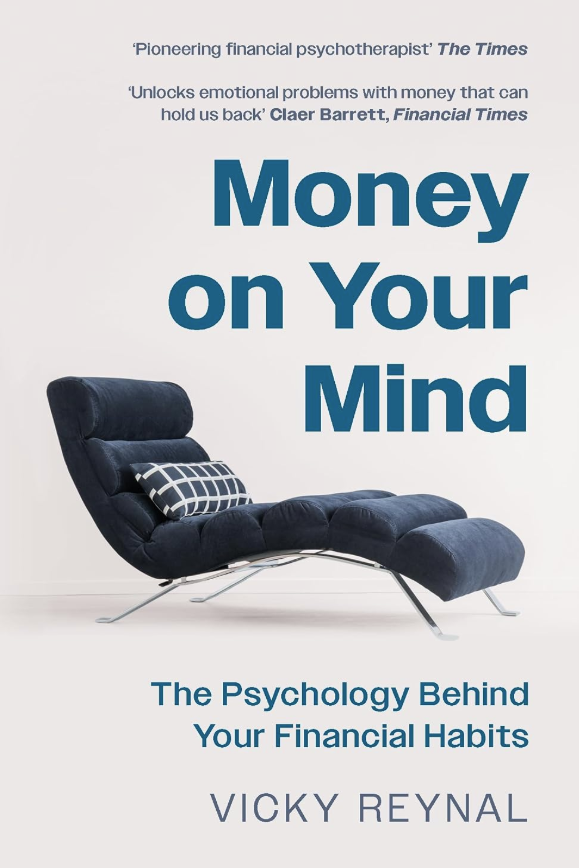
Best for readers who want to understand why money feels emotionally loaded.
Financial psychotherapist Vicky Reynal explores how emotions, past experiences and family patterns can influence financial behaviour. Her book covers a range of money habits, including secrecy and self-sabotage, using case studies to examine what may lie beneath them.
It may suit you if your reluctance to deal with money seems connected to more than the amount in your account.
Perhaps money discussions were tense when you were growing up. Perhaps a previous mistake still makes you expect criticism whenever finances come up. Those are possibilities to reflect on, rather than explanations to assume.
Reading about the emotional meaning of money can help you form better questions about your own experience.
A small step to try: Notice the thought that appears when you decide to postpone a financial task. Write it down in your own words. Then describe the task separately, such as opening one letter or finding a payment date.
4. Your Money or Your Life by Vicki Robin and Joe Dominguez
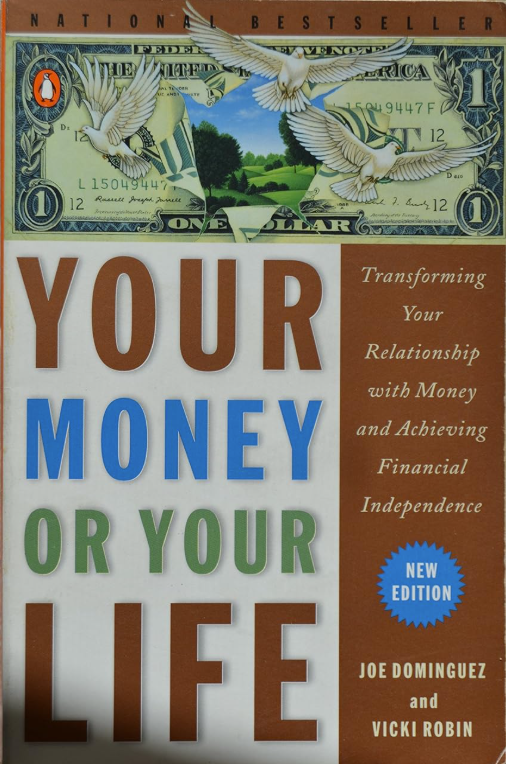
Best for readers who are ready to understand where their money goes.
This book presents a structured approach to changing your relationship with money, with attention to tracking finances, deliberate living and what spending contributes to your life.
It offers a different point of entry for someone who finds looking at money thankless. If every review ends with a list of things you feel bad about, it can be difficult to want to do it again.
Connecting financial awareness with how you want to live gives the task a more personal purpose. You might want fewer surprises between paydays or a clearer sense of what you can spend on something you enjoy.
Its wider programme asks for sustained attention, so it may fit best once you feel ready for a more detailed look.
A small step to try: Review a few recent transactions and identify what each paid for. Start by understanding the record before deciding what you want to change.
5. From Financial Regret to Financial Freedom by Julian Merren
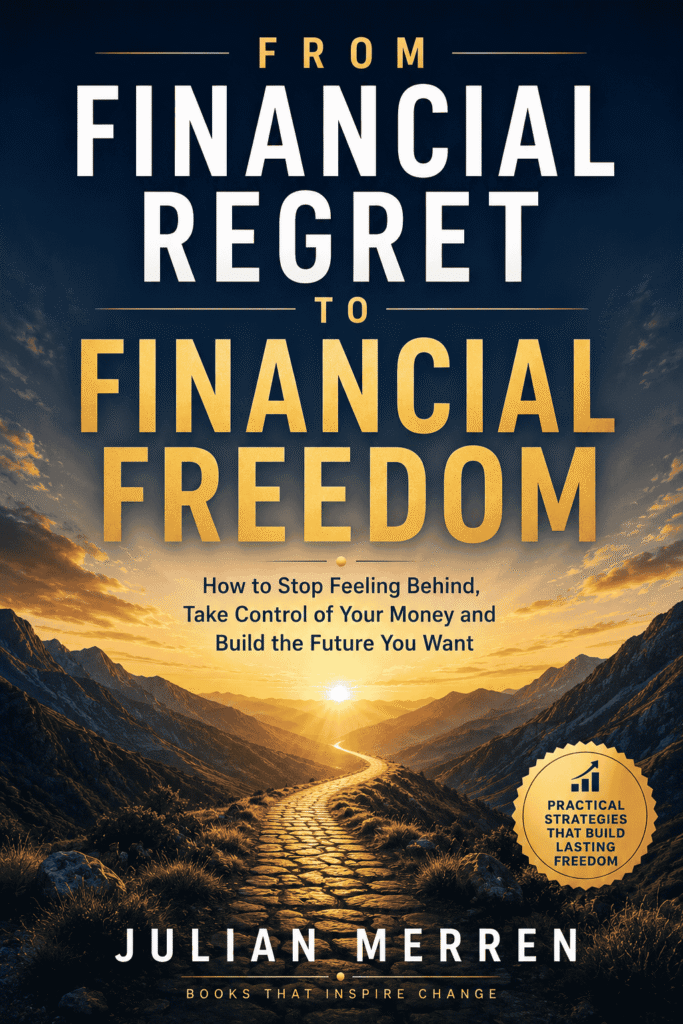
Best for readers whose finances bring up the feeling that they’ve left things too late.
Sometimes you know how to open the statement. The difficult part is facing what you think it says about the years behind you.
From Financial Regret to Financial Freedom by Julian Merren addresses feeling financially behind and wishing earlier decisions had been different. It covers understanding your current position, deciding priorities, finding room within existing income, building a safety net and dealing with debt.
That makes it particularly relevant when regret keeps interrupting your attempts to plan. A look at today’s balance can quickly become a review of everything you wish you’d done ten years ago.
The book’s emphasis on working from your present circumstances gives you a practical direction for the next stage.
A small step to try: Write down one current concern you want help with, such as understanding upcoming bills or making sense of what you owe.
Explore From Financial Regret to Financial Freedom by Julian Merren.
Make your first money check-in manageable
Choose a quiet moment and one limited task. Have the relevant letter, app or statement ready, along with somewhere to make a note.
You could begin by:
- Checking one account and recording the balance and date.
- Opening one bill and noting its due date.
- Finding the contact details you need to ask a question.
- Listing the information you’ll need for a later appointment.
Give yourself a clear finishing point. If you discover something that needs attention, write down the next action while the information is in front of you.
If bills are overdue or you’re struggling to cover essentials, Moneysmart’s guide to financial counselling explains how to access free, confidential help in Australia.

Choose the book that matches your sticking point
The most useful books about money avoidance give you an opening that fits the difficulty you’re having. Emotional reassurance, clearer explanations and a practical plan each serve a different need.
Choose one book and pair it with one financial task you’ve been postponing. Let the reading support a small action while the problem is still specific enough to name.
If regret is the part that repeatedly gets in your way, From Financial Regret to Financial Freedom may be a helpful place to begin. Start with the information you need today, and give yourself a chance to decide what happens next.