
Have you ever walked away from a perfectly ordinary conversation, only to spend the next few hours analysing everything you said?
Perhaps you made a joke that didn’t get the reaction you expected. You gave an answer that sounded better in your head. Or someone responded differently from how you’d imagined.
At the time, it didn’t seem particularly important.
But later, your mind returns to the conversation.
Why did I say that?
Did I sound foolish?
What if they misunderstood me?
Before long, you’re replaying an interaction that everyone else may have already forgotten.
If this sounds familiar, the following books about replaying conversations may help you understand why your mind keeps revisiting the past and how to develop a gentler relationship with your thoughts.
Because a conversation doesn’t have to be perfect to be worthwhile.
Why Do We Replay Conversations in Our Heads?
Reflecting on conversations can be useful.
Sometimes we recognise that we could have expressed ourselves more clearly. We might realise that we interrupted someone or responded too quickly.
Thinking about those moments can help us learn and communicate better in future.
But reflection becomes less useful when it turns into endless mental repetition.
Instead of learning something and moving forward, you keep analysing the same details.
You revisit the other person’s expression.
You question your tone.
You imagine what they might have thought.
And occasionally, you create entirely new interpretations of something that originally seemed harmless.
This repetitive thinking is often described as rumination.
Rather than reaching a helpful conclusion, rumination can keep you emotionally involved in a situation long after it has ended.
The following five books explore different aspects of this experience, including the inner voice, social anxiety, self-criticism and unwanted thoughts.
1. Chatter — Ethan Kross
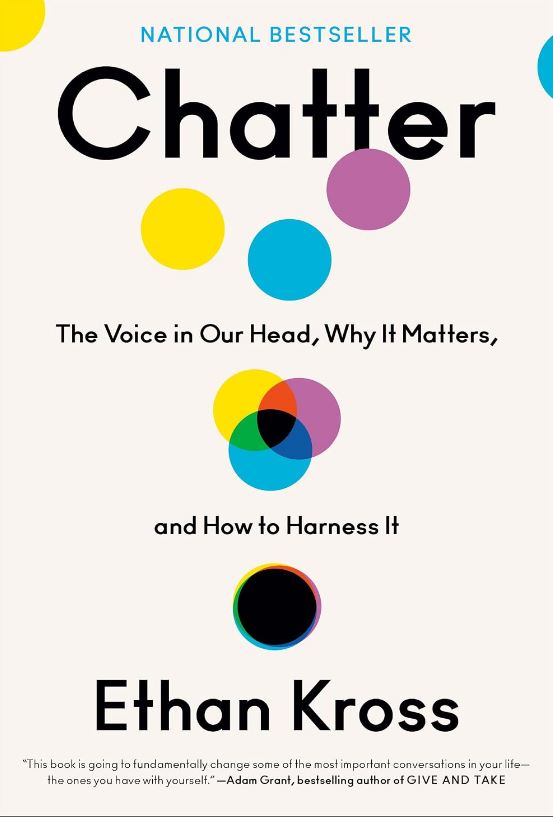
If there’s one book that fits this topic particularly well, it’s Chatter: The Voice in Our Head, Why It Matters, and How to Harness It by Ethan Kross.
Kross explores the internal conversations we have with ourselves and how those conversations can sometimes become unhelpful.
Our inner voice helps us think through problems, prepare for situations and make sense of experiences.
But it can also become caught in repetitive cycles of worry, criticism and overanalysis.
Why this book is worth reading
Imagine making a small mistake during a conversation.
Perhaps you stumbled over a sentence or expressed an idea awkwardly.
Your mind might replay the moment several times, examining what went wrong and imagining how you appeared to others.
Kross explores ways of creating greater distance from these internal conversations so they don’t dominate our attention.
One useful shift is recognising that your inner voice doesn’t always provide an accurate interpretation of what happened.
Just because a thought feels convincing doesn’t mean it deserves endless examination.
Best for: Readers who constantly replay awkward moments, criticise themselves afterwards or struggle to quiet their internal dialogue.
2. How to Be Yourself — Ellen Hendriksen
Sometimes the reason we replay conversations isn’t really about the words we used.
It’s about worrying how other people see us.
Did they think I was boring?
Did I talk too much?
Was my comment inappropriate?
Did I make a bad impression?
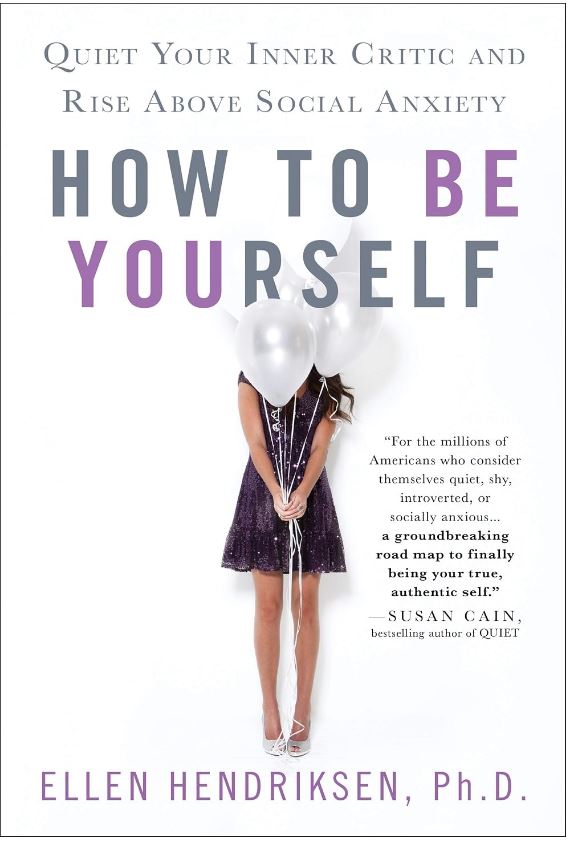
In How to Be Yourself: Quiet Your Inner Critic and Rise Above Social Anxiety, psychologist Ellen Hendriksen explores the fears and self-critical thoughts that can make social situations feel uncomfortable.
Why this book is worth reading
One reason conversations can become exhausting is that we sometimes judge ourselves far more harshly than we judge other people.
Someone else might stumble over their words, and we barely notice.
But when we make the same mistake, it becomes something we revisit repeatedly.
Hendriksen explores the inner critic and the pressure people can feel to perform well in social situations.
The book encourages a more flexible approach to everyday interactions, rather than treating every conversation as a test of personal worth.
For people who regularly analyse how they came across, this perspective may be particularly useful.
Best for: Readers who worry about being judged, feel self-conscious in social situations or repeatedly question the impression they’ve made.
3. Self-Compassion — Kristin Neff
Replaying conversations can become particularly painful when every remembered mistake turns into an opportunity for self-criticism.
You remember saying something awkward.
Then you criticise yourself for saying it.
Then you criticise yourself again for still thinking about it.
Before long, a small social moment has become an argument with yourself.
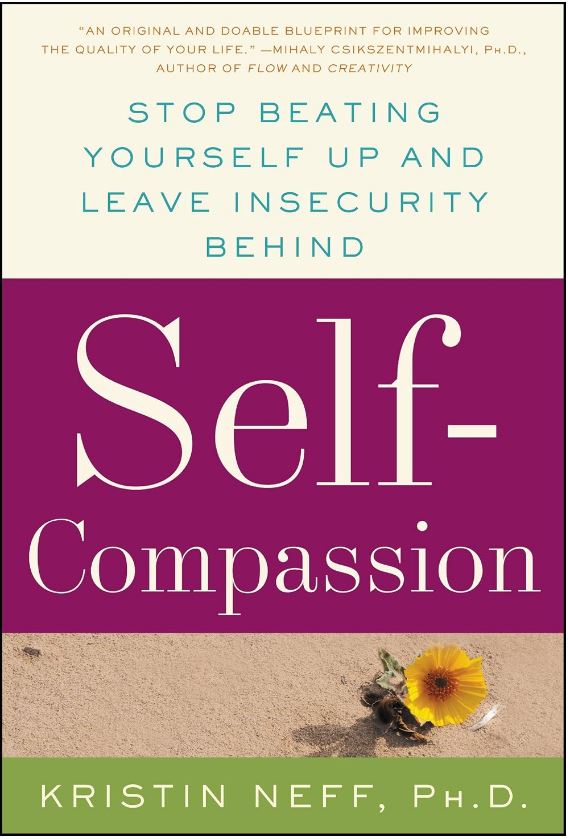
Self-Compassion: The Proven Power of Being Kind to Yourself by Kristin Neff explores how we respond to our own imperfections, difficulties and mistakes.
Why this book is worth reading
Many people believe that being hard on themselves will prevent future mistakes.
If they analyse every awkward interaction thoroughly enough, perhaps they’ll never repeat it.
But constantly criticising yourself isn’t the same as learning.
Neff encourages readers to approach personal imperfections with greater understanding rather than automatic judgement.
Consider how you might respond if a friend told you they were embarrassed about something they’d said.
You probably wouldn’t spend half an hour explaining everything they did wrong.
You might remind them that everyone occasionally says something awkward.
Extending a similar level of kindness towards yourself can be an important shift.
Best for: People who replay conversations because they’re embarrassed, ashamed or excessively critical of their own behaviour.
4. The Confidence Gap — Russ Harris
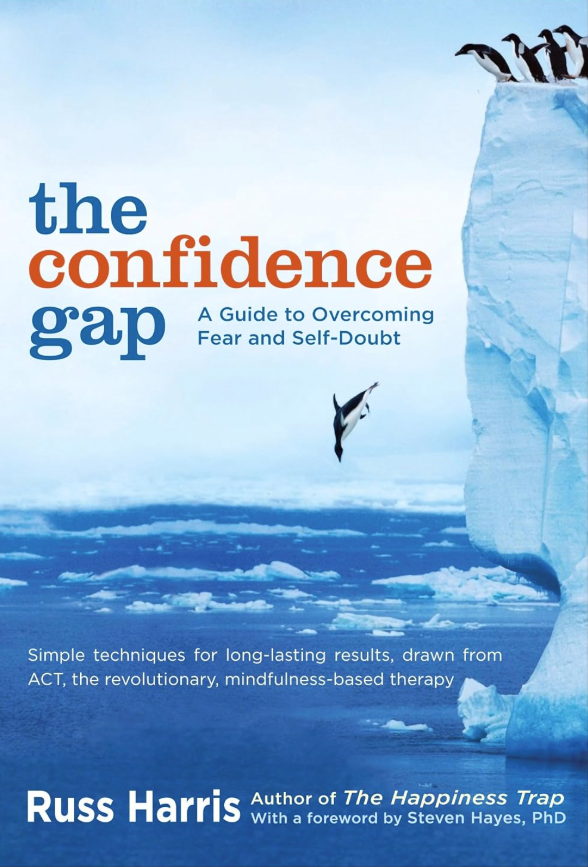
Sometimes replaying a conversation is connected to a broader fear of making mistakes.
You might want to speak confidently, express your opinions and connect naturally with others.
But afterwards, your mind examines everything that could have gone better.
In The Confidence Gap, Russ Harris explores fear, insecurity and self-doubt through ideas associated with Acceptance and Commitment Therapy.
Rather than suggesting that uncomfortable thoughts must disappear before we can act confidently, the book encourages a different relationship with those thoughts.
Why this book is worth reading
One of the difficulties with overanalysing conversations is that it can affect future interactions.
You remember feeling embarrassed last time.
So next time, you speak less.
You become more cautious about expressing opinions.
You spend more time monitoring yourself and less time enjoying the interaction.
Harris’s approach is useful because it challenges the belief that confidence requires the complete absence of doubt.
You can feel uncertain and still participate in a conversation.
You can say something imperfectly and still connect with another person.
Best for: Readers whose memories of awkward conversations make them hesitant to speak up or express themselves.
5. Overcoming Unwanted Intrusive Thoughts — Sally M. Winston and Martin N. Seif
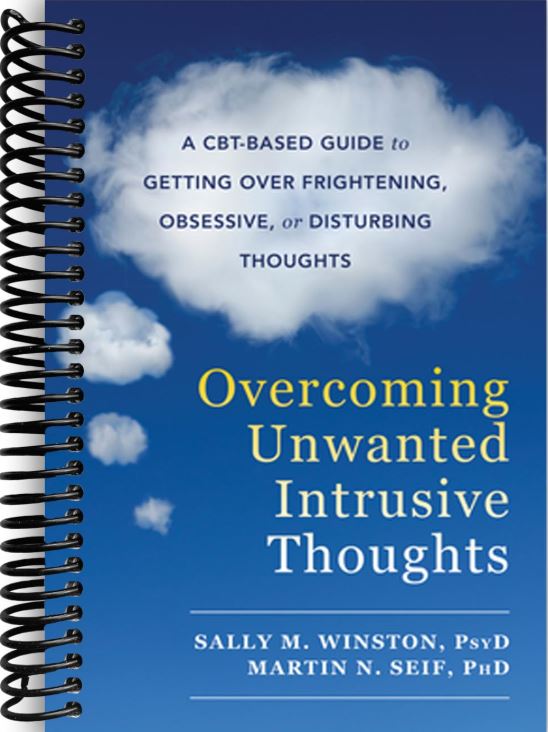
For some people, replaying conversations feels less like ordinary reflection and more like being unable to disengage from a thought.
The same words or memories keep appearing, even when you’d prefer to think about something else.
In Overcoming Unwanted Intrusive Thoughts, Sally M. Winston and Martin N. Seif explore unwanted thoughts and repetitive mental patterns, drawing on cognitive behavioural approaches.
The book primarily addresses more distressing intrusive thoughts, rather than everyday conversational awkwardness, so its relevance is more specialised than the other recommendations.
Why this book is worth reading
One useful distinction is that trying desperately to get rid of an unwanted thought can sometimes keep us focused on it.
You tell yourself to stop thinking about the conversation.
Then you check whether you’ve stopped thinking about it.
And suddenly, the conversation is occupying your attention again.
The book explores ways of responding differently to unwanted thoughts rather than treating their appearance as something that demands immediate action.
For readers whose mental replay feels particularly persistent or distressing, this broader perspective may be helpful.
Best for: People who struggle with repetitive, unwanted thoughts that are difficult to disengage from.
Which of These Books About Replaying Conversations Should You Read First?
The best starting point depends on what’s keeping the conversation alive in your mind.
If you find yourself trapped in repetitive internal dialogue, Chatter is an excellent place to begin.
If you’re mainly worried about how others perceive you, How to Be Yourself explores those concerns directly.
If your biggest difficulty is harsh self-criticism, Self-Compassion offers a gentler perspective.
If past conversations are affecting your confidence in future ones, The Confidence Gap may be particularly relevant.
And if unwanted thoughts feel persistent and difficult to release, Overcoming Unwanted Intrusive Thoughts examines that experience in greater depth.
You don’t need every book on this list.
Sometimes recognising the particular reason you replay conversations can help you choose the most useful next step.

Why Conversations Often Return When We’re Trying to Sleep
For many people, the most frustrating conversations aren’t the ones happening during the day.
They’re the ones that return at night.
You climb into bed, ready to relax.
Then your mind remembers something you said during a meeting.
Or a comment you made to a friend.
Perhaps an interaction from several days ago suddenly seems more important than it did at the time.
Without the distractions of everyday life, these memories can occupy far more attention.
This is where Quiet Nights: Stop Overthinking and Finally Sleep Peacefully by Julian Merren becomes a relevant companion.
The book focuses on nighttime overthinking and the difficulty of settling an overactive mind when worries and unfinished thoughts follow you into bed.
It isn’t specifically about analysing conversations, but that familiar pattern of lying awake replaying what happened during the day fits naturally within its broader subject.
For readers whose thoughts become particularly active at bedtime, it may offer a useful additional perspective.
Discover Quiet Nights by Julian Merren
Four Ways to Stop Replaying a Conversation
Reading can provide valuable insight, but small changes in how you respond to your thoughts may also help.
For additional guidance, the Western Australian Centre for Clinical Interventions offers practical strategies for managing repetitive thinking
1. Separate reflection from rumination
Ask yourself whether you’re learning something useful or simply repeating the same concerns.
If there’s a genuine lesson, acknowledge it.
If you’ve already considered the situation several times without reaching anything new, more analysis may not be helpful.
2. Question your assumptions
When you find yourself worrying about what someone thought, consider what you actually know.
Did they explicitly say they were offended?
Or are you interpreting a facial expression, short reply or awkward silence?
Try not to treat an assumption as a confirmed fact.
3. Allow ordinary imperfections
Not every sentence will sound exactly as you intended.
You may occasionally interrupt someone, struggle to find the right word or make a comment that doesn’t land.
These experiences are part of ordinary human communication.
They don’t automatically define how others see you.
4. Decide whether action is needed
Sometimes a conversation genuinely requires follow-up.
Perhaps you need to apologise, clarify something or address a misunderstanding.
If so, consider one appropriate action.
But if there’s nothing practical to resolve, repeatedly revisiting the conversation may simply keep it occupying your attention.
And if persistent rumination is affecting your wellbeing, sleep or daily life, a qualified mental health professional can provide individual guidance.
Final Thoughts: You Don’t Have to Review Every Word
Conversations are rarely perfect.
We sometimes say things awkwardly, misunderstand each other or think of better responses long after a discussion has ended.
That’s normal.
The difficulty begins when we treat every imperfect interaction as something that must be analysed until we find exactly what went wrong.
The best books about replaying conversations remind us that we can learn from our experiences without endlessly reliving them.
We can recognise genuine mistakes without turning them into judgements about our character.
We can accept that other people may interpret our words differently from how we intended.
And perhaps most importantly, we can allow a conversation to end without feeling responsible for examining every moment afterwards.
If those conversations tend to return when you’re trying to rest, explore Quiet Nights by Julian Merren for further reading on nighttime overthinking.
Because sometimes the most helpful response to a conversation isn’t finding the perfect thing you should have said.
It’s allowing yourself to move on.