
You open your eyes, glance at the clock and see the same unwelcome time again: 3:00 in the morning. The house is quiet, but your thoughts are already gathering speed. You begin calculating how little sleep remains, wondering why this keeps happening and trying much too hard to drift off again.
If this has become a familiar pattern, the right book can offer more than another list of sleep tips. The best books for waking up at 3am can help you understand what may be keeping the cycle alive, respond to wakefulness with less alarm and develop a healthier relationship with sleep.
No single approach suits everyone, and persistent sleep difficulties can have many causes. These five books therefore offer different perspectives—from behavioural sleep science and acceptance-based techniques to calming an overactive mind. The aim is not to give you five books to read at three in the morning, but to help you choose one useful guide to explore during the day.
Why waking during the night can feel so unsettling
Brief awakenings are not necessarily the problem. The more difficult moment often begins when you notice that you are awake and immediately treat it as an emergency.
You might check the time repeatedly, predict how exhausted you will feel tomorrow or search for the perfect technique to force yourself back to sleep. Understandably, this creates pressure at precisely the moment your mind and body need less effort and stimulation.
A thoughtful sleep book can help by changing the questions you ask. Instead of only wondering, “How do I make myself sleep right now?”, you can explore:
- What makes wakefulness feel threatening?
- Am I spending so much effort trying to control sleep that I become more alert?
- What can I do when thoughts become louder in the quiet?
- When would individual professional support be appropriate?
The following recommendations approach those questions in different ways.
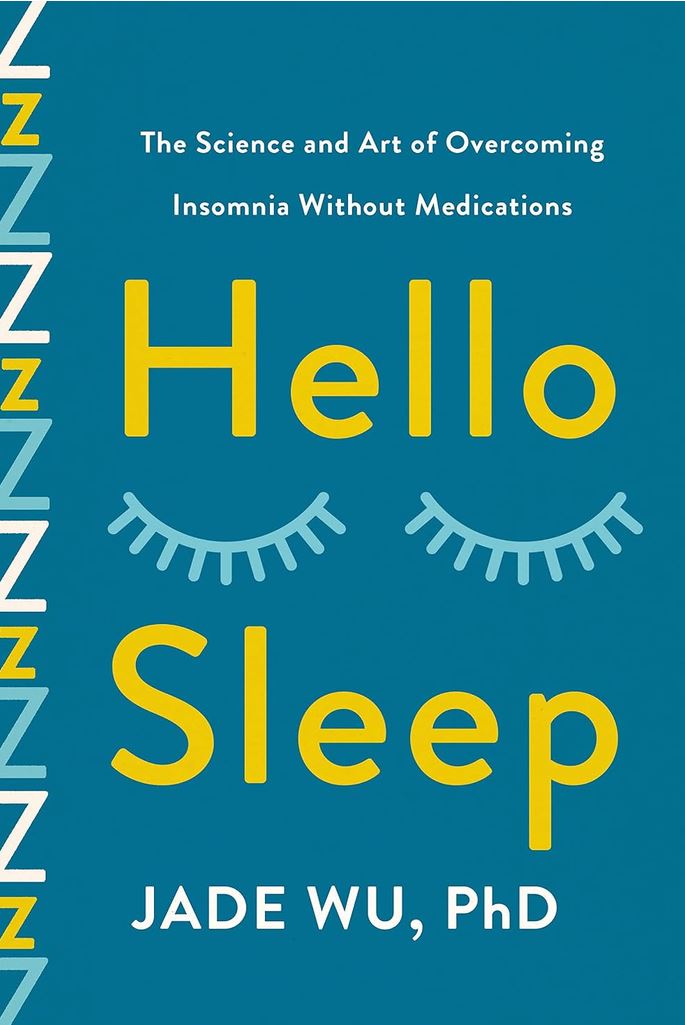
1. Hello Sleep by Jade Wu
Hello Sleep: The Science and Art of Overcoming Insomnia Without Medications is an especially relevant starting point for middle-of-the-night waking. Jade Wu is a behavioural sleep medicine specialist, and her book explains how sleep and insomnia work while guiding readers through evidence-based approaches in an accessible, compassionate manner.
One reason it suits this list so well is its direct attention to the experience of waking during the night and being unable to return to sleep. Rather than presenting sleep as a nightly test you must pass, Wu encourages readers to repair their relationship with it.
The book discusses approaches including cognitive behavioural therapy for insomnia, light and timing, and mindfulness. Its broader message may be reassuring if bedtime has become dominated by rules, monitoring and fear of another bad night.
Best for: Readers who want a contemporary, science-informed guide that remains friendly and flexible.

2. The Sleep Book by Guy Meadows
Guy Meadows takes an acceptance-based approach in The Sleep Book: How to Sleep Well Every Night. The book combines mindfulness with techniques drawn from Acceptance and Commitment Therapy and presents them through a structured five-week plan.
This perspective can be valuable when the struggle against wakefulness has become part of the problem. At 3 AM, the natural impulse is often to resist what is happening: I must stop thinking. I have to sleep. This cannot happen again. Meadows instead explores how making room for uncomfortable thoughts and sensations may reduce the battle surrounding sleep.
That does not mean pretending you enjoy being awake. It means practising a different response—one with less checking, judgement and desperate effort. Its particular strength is its attention to changing your reaction to sleeplessness.
Best for: People who become increasingly tense and frustrated the longer they remain awake.
3. Goodnight Mind by Colleen E. Carney and Rachel Manber
Sometimes the clock is not the loudest thing in the room; your thoughts are. Goodnight Mind: Turn Off Your Noisy Thoughts and Get a Good Night’s Sleep focuses on the mental activity that can make both falling asleep and returning to sleep difficult.
Colleen E. Carney and Rachel Manber bring clinical sleep expertise to a practical guide designed for readers dealing with a busy nighttime mind. It is particularly relevant if waking triggers planning, replaying conversations, worrying about tomorrow or analysing why you are awake.
The book helps readers recognise that every thought does not require an answer in the middle of the night. This is more useful than generic advice such as “just relax” when the mind has entered problem-solving mode.
Best for: Readers whose awakenings quickly turn into worry, rumination or mental to-do lists.
4. The Sleep Solution by W. Chris Winter
If you want to understand the machinery behind sleep, The Sleep Solution: Why Your Sleep Is Broken and How to Fix It offers a broad introduction. W. Chris Winter is a neurologist and sleep specialist who explains how sleep works and how factors such as light, food, activity, schedules and individual sleep disorders can affect it.
This wider view matters because repeatedly waking at a particular time may lead you to search for one mysterious cause. In reality, sleep is influenced by many interacting factors. Learning more about sleep drive, body clocks and daily patterns can help you assess your situation with greater perspective.
The book covers more than middle-of-the-night waking, so it may feel broad if you want only calming exercises. However, it suits readers who feel less anxious when they understand the science behind an experience.
Best for: Curious readers who want a comprehensive explanation before deciding which changes are worth trying.
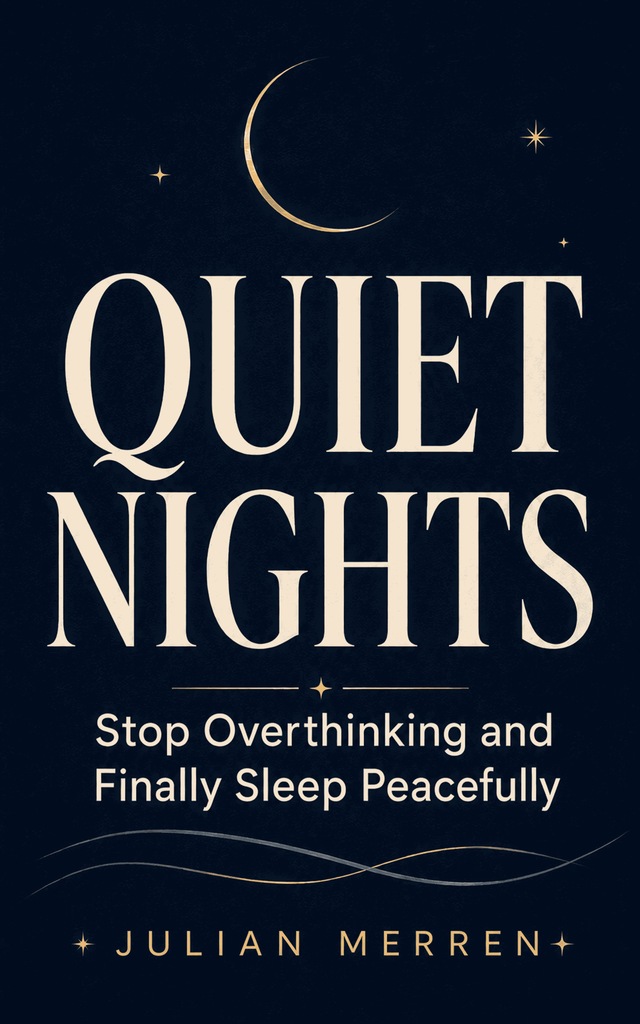
5. Quiet Nights by Julian Merren
Quiet Nights: Stop Overthinking and Finally Sleep Peacefully by Julian Merren is written for the emotional experience of lying awake with a mind that refuses to settle. It connects naturally with this list because a 3 AM awakening is often followed by a familiar chain of worries: tomorrow’s responsibilities, unfinished conversations, financial concerns or the fear of not coping after another poor night.
Its focus is creating a calmer relationship with nighttime thoughts and stepping away from the pressure to solve everything before morning.
It may suit you if your greatest difficulty is knowing what to do with your thoughts when the world feels silent. Readers wanting a gentle companion may appreciate its personal-growth approach.
You can learn more about Quiet Nights by Julian Merren on Books That Shape.
Best for: Overthinkers who want calm, accessible support for the emotional side of restless nights.
How to choose among these books for waking up at 3am
You do not need to buy every title or adopt five different sleep systems. Begin with the book that most closely matches what happens after you wake:
- Choose Hello Sleep if you want compassionate, evidence-based guidance with direct relevance to waking during the night.
- Choose The Sleep Book if struggling against sleeplessness makes you increasingly alert.
- Choose Goodnight Mind if racing thoughts take over once your eyes open.
- Choose The Sleep Solution if you want to understand sleep biology and the factors that shape your nights.
- Choose Quiet Nights if you want a warm, reflective approach to overthinking and nighttime worry.
Read your chosen book during the day or early evening rather than making it an emergency intervention at 3 AM. Practise one or two ideas consistently; constantly changing strategies can create more pressure. Brief notes may reveal patterns, but avoid turning sleep into a nightly performance score. The purpose is curiosity, not criticism.
When a book may not be enough
Books can provide understanding and useful techniques, but they cannot identify every reason for disrupted sleep. The NHS overview of sleep problems and practical ways to improve sleep notes that sleep difficulties can include waking repeatedly or waking early and being unable to return to sleep.
If the problem continues, significantly affects your daytime life or appears alongside symptoms that concern you, speak with a GP or qualified sleep professional. Individual advice is especially important when another health condition, medication or sleep disorder may be involved.
A calmer place to begin
Seeing 3:00 on the clock can feel like proof that the following day has already been ruined. It is not. Although you may not be able to command sleep to return, you can learn to meet wakefulness with less fear and understand the habits and thoughts surrounding it.
The most helpful books for waking up at 3am do not merely promise a perfect night. They help you replace confusion with understanding and frantic effort with a calmer response. Choose the title that best matches your experience, explore it without rushing and allow one useful idea to become your starting point.
If overthinking is the part that keeps you awake, discover Quiet Nights by Julian Merren for a gentle next step towards quieter thoughts and more peaceful nights.