
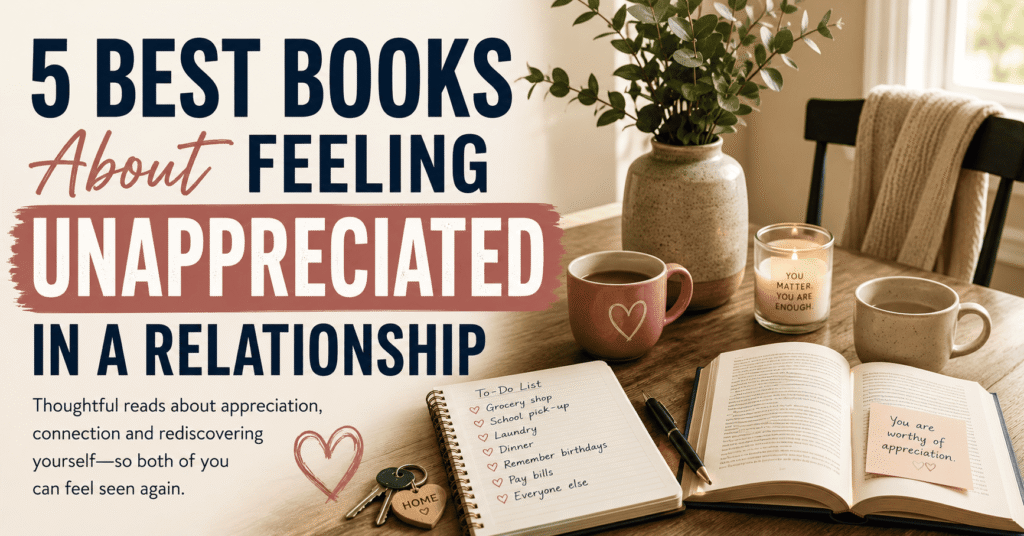
Feeling unappreciated by someone you love can be surprisingly lonely.
Perhaps you do countless things that keep your shared life running, yet they rarely seem to be noticed. Maybe your partner loves you, but appreciation has slowly disappeared from the everyday language of your relationship.
Nothing may be dramatically wrong.
And somehow, that’s what makes the feeling difficult to explain.
If you’re searching for books about feeling unappreciated in a relationship, the five books below approach the problem from different directions. Some focus on communication and appreciation, others on emotional connection, and one asks an equally important question: what happens when feeling unseen by your partner also leaves you disconnected from yourself?
Why Feeling Unappreciated Hurts So Much
Long-term relationships naturally become familiar.
At first, you notice everything.
A thoughtful message matters. A meal prepared for you feels special. You notice when your partner goes out of their way to help.
Years later, some of those same gestures become expected.
Dinner simply appears.
Someone remembers the appointment.
The laundry gets done.
The children get collected.
The bills get paid.
One partner may still be contributing enormously to the relationship while gradually feeling that their effort has become invisible.
The Gottman Institute includes sharing fondness and admiration as one of the components of its Sound Relationship House model. Its guidance emphasises actively vocalising the qualities you appreciate about your partner rather than merely assuming they already know.
That distinction is worth remembering.
You can appreciate someone privately while they feel completely unappreciated.
Sometimes appreciation needs to be expressed to be experienced.
These five books can help you explore that problem from several useful perspectives.
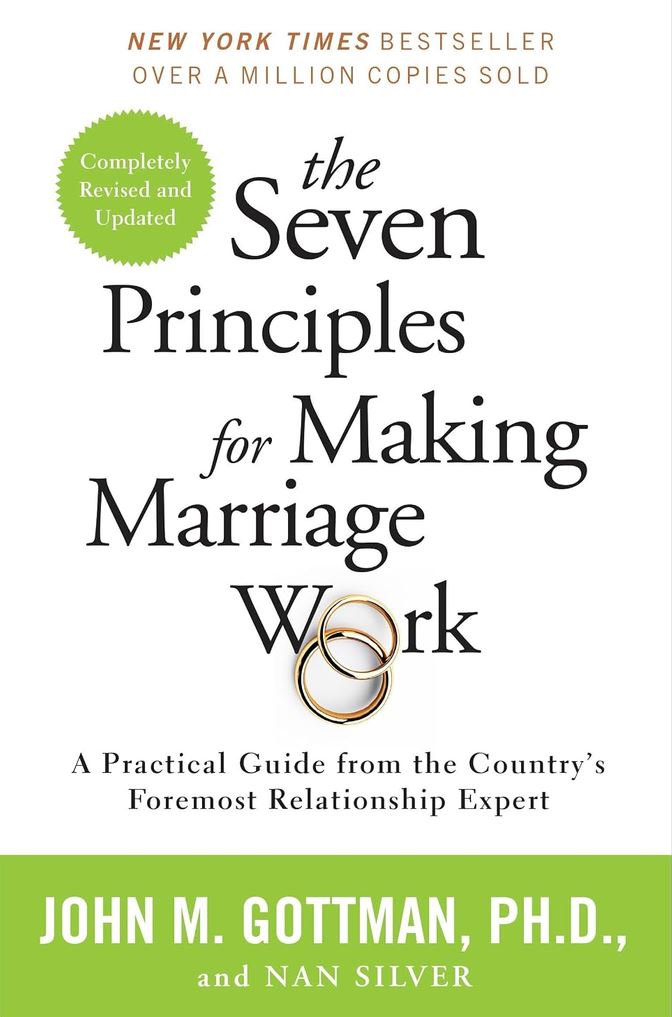
1. The Seven Principles for Making Marriage Work — John Gottman and Nan Silver
Best for understanding the everyday habits behind connection
If feeling unappreciated has become part of a broader pattern of emotional distance, The Seven Principles for Making Marriage Work is a particularly useful starting point.
The book draws on John Gottman’s work studying couples and focuses on the behaviours and skills that can help strengthen long-term relationships. Its themes include friendship, conflict, shared meaning and the importance of small everyday interactions.
For someone who feels taken for granted, the idea of fondness and admiration is especially relevant.
Appreciation doesn’t have to involve flowers, expensive gifts or elaborate declarations.
It might simply be:
Thank you for handling that.
I noticed what you did.
You were really patient today.
I admire how much you care about this family.
These sentences are small, but their underlying message is significant:
I see you.
One strength of this book is that it looks at the relationship as a system rather than reducing everything to a single communication technique.
Its breadth can also be a limitation if you’re looking exclusively for a book about appreciation. It covers much more territory.
Read this if: feeling unappreciated is part of a wider sense that you and your partner have become disconnected.
2. The Love Prescription — John Gottman and Julie Schwartz Gottman
Best for couples who want something practical to try immediately
If the previous book provides the broader framework, The Love Prescription offers something considerably more compact.
The Gottmans organise the book around a seven-day action plan involving small, manageable relationship behaviours.
The programme includes making contact, asking a meaningful question, saying thank you, giving a genuine compliment, asking for what you need, reaching out through touch and creating a date night.
For someone feeling unappreciated, two of those ideas stand out:
Say thank you.
And:
Give a real compliment.
They’re almost ridiculously simple.
But simple doesn’t necessarily mean insignificant.
One of the difficulties in established relationships is that we often stop verbalising things we believe are obvious.
“Of course I appreciate you.”
“Of course I think you’re a good partner.”
“Of course I notice everything you do.”
But has it actually been said?
That’s why this may be one of the most immediately useful books about feeling unappreciated in a relationship. It turns abstract ideas about connection into small behaviours couples can actually try.
Read this if: you want a short, practical relationship book rather than a lengthy exploration of theory.
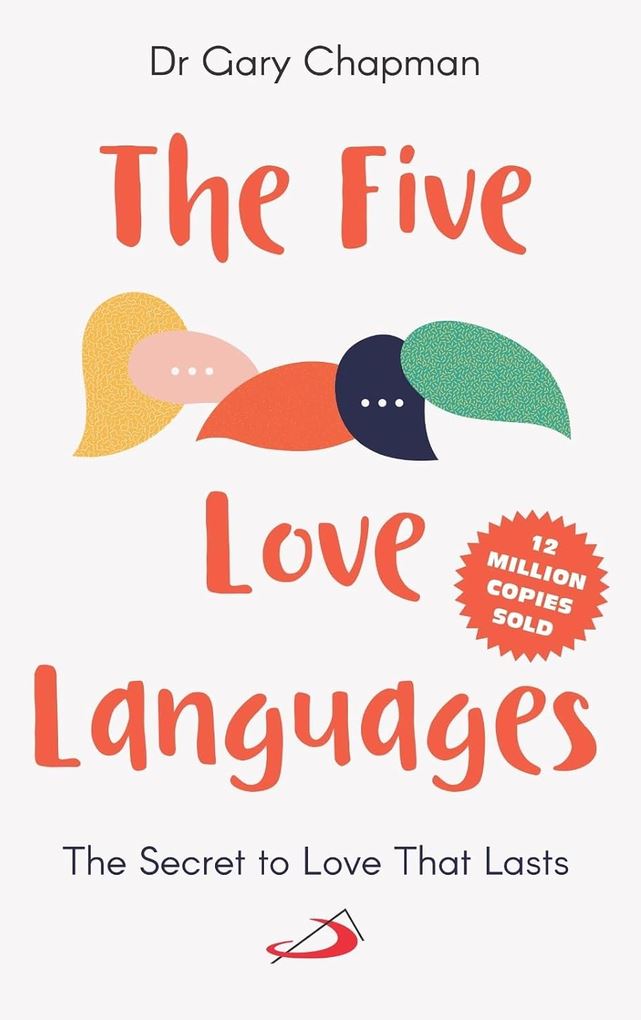
3. The 5 Love Languages — Gary Chapman
Best for exploring differences in how affection is expressed
Sometimes the problem isn’t an absence of appreciation.
It’s a mismatch in how appreciation is communicated.
Gary Chapman’s The 5 Love Languages became popular through its framework of five ways people may express or experience affection: words of affirmation, quality time, gifts, acts of service and physical touch.
The framework shouldn’t necessarily be treated as a scientific personality test, but it can still provide useful prompts for conversation.
Imagine that one partner demonstrates love primarily through practical help.
They fix things.
Run errands.
Cook meals.
Solve problems.
Their partner may appreciate those things but desperately want more verbal affection or uninterrupted time together.
One thinks:
Look at everything I do because I love you.
The other thinks:
Why don’t I feel loved?
Instead of debating who’s right, the more useful conversation might be:
What actually makes each of us feel valued?
That’s the strength of this book.
It gives couples an accessible vocabulary for discussing affection.
Read this if: you suspect you and your partner care deeply about each other but express that care very differently.
4. Hold Me Tight — Dr Sue Johnson
Best for looking beneath the surface of relationship conflict
Sometimes “you don’t appreciate me” isn’t really the whole problem.
Underneath it might be:
Do I matter to you?
That’s where Hold Me Tight by Dr Sue Johnson offers a different perspective.
Rather than concentrating primarily on individual gestures of appreciation, the book looks more deeply at emotional connection and attachment between romantic partners.
That can be valuable when arguments about chores, attention, affection or responsibilities keep repeating.
A disagreement may appear to be about who emptied the dishwasher.
But emotionally, one partner may be saying:
I do so much and I’m not sure you even notice.
The other may hear criticism and become defensive.
Now the original hurt has disappeared beneath another argument.
Books like Hold Me Tight can encourage readers to become curious about what sits underneath recurring conflict rather than focusing solely on winning the disagreement.
This is a deeper and more emotionally focused read than something like The Love Prescription, so it won’t suit everyone equally.
Read this if: feeling unappreciated repeatedly turns into conflict, defensiveness or emotional withdrawal.
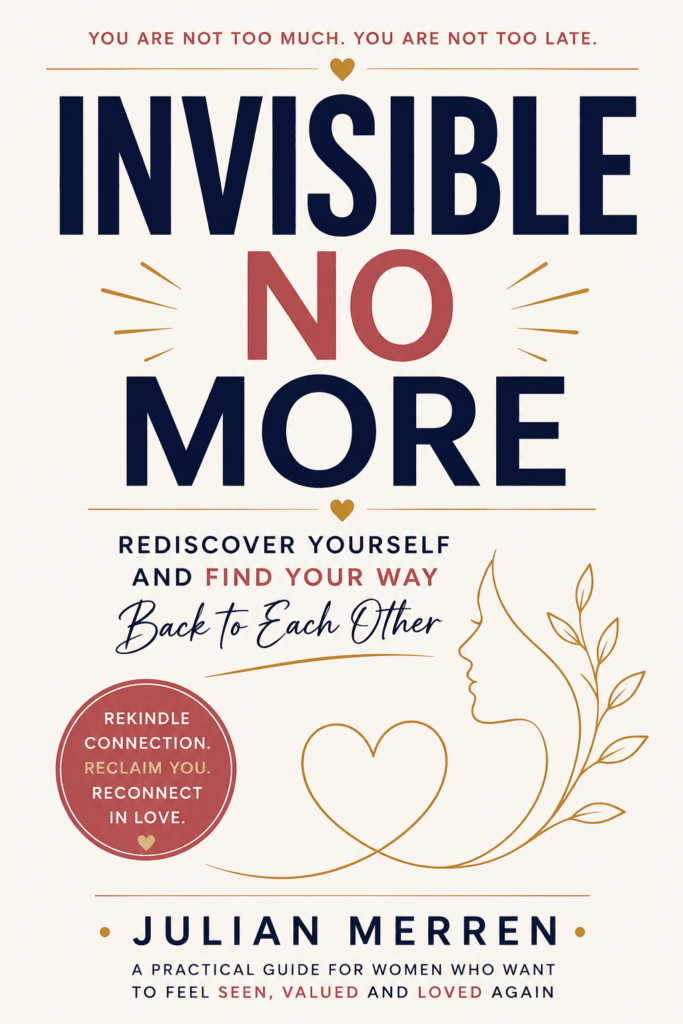
5. Invisible No More — Julian Merren
Best for reconnecting with yourself as well as your relationship
There’s another side to feeling unappreciated that deserves attention.
What happens when you’ve spent so long waiting for your partner to notice you that you’ve stopped noticing yourself?
Maybe you’ve become the organiser.
The peacekeeper.
The dependable one.
The person who remembers birthdays, appointments and what everyone needs.
You’re needed.
But being needed and feeling valued aren’t always the same thing.
Invisible No More: Rediscover Yourself and Find Your Way Back to Each Other by Julian Merren approaches relationship disconnection from both sides.
It explores rediscovering your own identity while also creating opportunities for renewed connection with your partner, touching on themes including confidence, boundaries, communication, appreciation and friendship.
That makes it particularly relevant when the problem isn’t simply:
“My partner doesn’t thank me enough.”
It’s:
“Somewhere along the way, I stopped feeling like myself.”
The aim isn’t to suggest that every disconnected relationship can or should be repaired.
Rather, it’s about recognising that reconnecting with another person shouldn’t require disappearing further into the relationship.
Sometimes you need to find your own voice again too.
Read this if: you still care about your relationship but also recognise that you’ve gradually lost touch with yourself.
You can explore Invisible No More and other relationship resources at Books That Shape — Relationships.
Which Book Should You Start With?
The right choice depends on what “unappreciated” means in your relationship.
If you want a broad, practical framework for strengthening your relationship, start with The Seven Principles for Making Marriage Work.
If you want something shorter with actions you can begin almost immediately, try The Love Prescription.
If you suspect you and your partner express affection differently, The 5 Love Languages may provide useful conversation starters.
If recurring arguments seem to hide deeper emotional hurt, consider Hold Me Tight.
And if feeling invisible has become connected to losing your own identity, Invisible No More approaches the problem from that perspective.
Appreciation Doesn’t Need to Be Grand
One encouraging thing about appreciation is how ordinary it can be.
The Gottman Institute recommends deliberately noticing what your partner is doing well and expressing appreciation through everyday actions. Its examples include affection, compliments and asking what you could do to help your partner feel more loved.
That suggests a useful experiment.
For the next week, notice one thing your partner does each day that you genuinely appreciate.
Then tell them.
Not:
“You’re amazing.”
Something specific:
“Thank you for making dinner when you were tired.”
“I noticed how patient you were with the kids tonight.”
“Thanks for listening earlier. I needed that.”
Specific appreciation communicates something powerful:
I didn’t just see what you did. I saw you doing it.
And if you’re the person feeling unappreciated, consider making your needs more specific too.
Instead of:
“You never appreciate me.”
You might try:
“It means a lot to me when you notice the things I do and actually tell me.”
That doesn’t guarantee the response you want.
But it makes your need easier to understand.
You Deserve to Feel Seen, Not Simply Needed
The best books about feeling unappreciated in a relationship won’t give you a magic sentence that suddenly changes another person.
What they can offer is perspective.
They can help you understand why appreciation matters, recognise patterns you’ve stopped noticing and find better language for conversations that may have become difficult.
Most importantly, they can remind you that appreciation works in two directions.
Notice your partner.
But notice yourself too.
Remember what you need.
Remember what matters to you.
Remember the person underneath all the roles you perform for everyone else.
Perhaps that’s where the next conversation begins.
Not with:
“You don’t appreciate me.”
But with:
“I want us both to feel seen again. How can we start?”