
There comes a point in some careers when even the thought of another Monday morning feels exhausting.
Perhaps you’ve been unhappy at work for months. Maybe your workload has become overwhelming, your manager makes every day difficult, or the job simply doesn’t interest you anymore.
You find yourself watching the clock, looking forward to weekends and wondering how much longer you can continue.
And eventually, one question becomes impossible to ignore.
Should I quit my job?
It’s a question that deserves more than a rushed answer, especially when you’ve spent years building your career and have financial responsibilities to consider.
Leaving might be exactly what you need.
But it might also be possible to improve your working life without walking away from everything you’ve achieved.
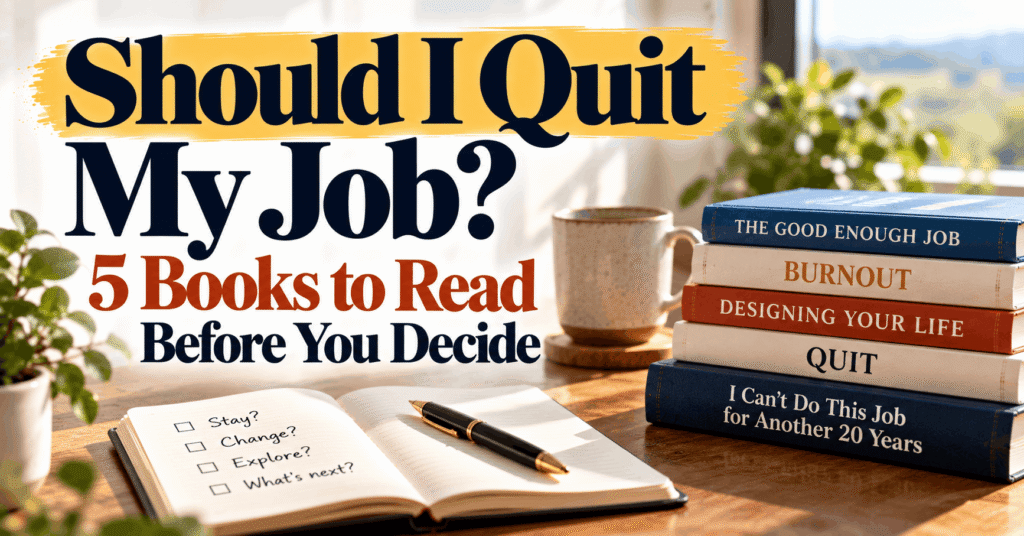
Before making a decision, these five books can help you understand what’s really wrong, explore your options and consider what a better working future might look like.

Why the Question “Should I Quit My Job?” Isn’t Always Easy to Answer
When you’re deeply unhappy at work, resigning can seem like the obvious solution.
You imagine the relief of no longer dealing with difficult colleagues, unrealistic expectations or the same exhausting routine.
But there’s often another side to the decision.
Your income pays the bills. You may have a mortgage, children, retirement savings or other commitments that make financial stability important.
And even if you can afford to leave, there’s no guarantee your next job will be better.
That’s why it’s worth separating two questions:
- Do I need to leave my current working situation?
- Do I need to change my entire career?
The answers may be very different.
You might love your profession but dislike your employer.
You may enjoy the work itself but feel exhausted by long hours or excessive responsibility.
Or perhaps you’ve genuinely outgrown your career and want to explore something new.
Understanding the difference can help you avoid making a bigger change than necessary.
Here are five books worth considering before you decide.
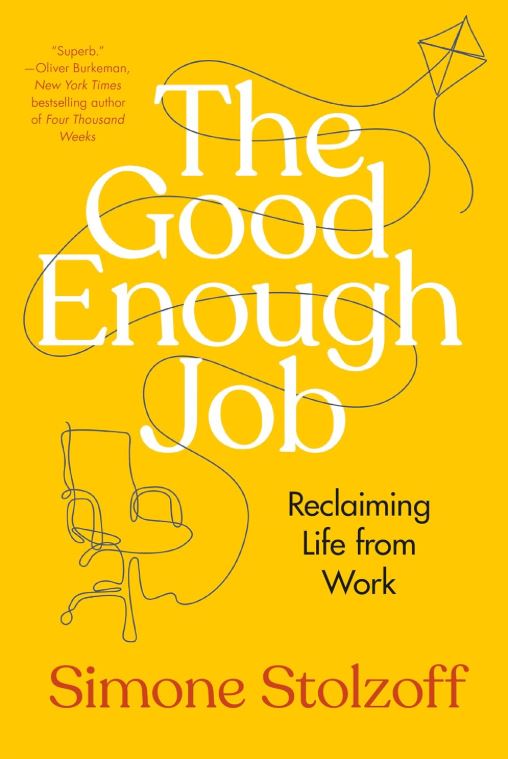
1. The Good Enough Job — Simone Stolzoff
When Work Has Taken Up Too Much of Your Life
Sometimes the problem isn’t that you have the wrong career.
It’s that work has gradually become the centre of everything.
You spend your evenings thinking about tomorrow’s responsibilities, your weekends recovering from the previous week and your holidays worrying about what’s waiting when you return.
The Good Enough Job by Simone Stolzoff explores our relationship with work and questions the idea that our jobs must provide our entire sense of identity, purpose and fulfilment.
It’s a particularly useful book if you’ve become so focused on professional achievement that other parts of your life have received less attention.
Perhaps you don’t need a more impressive job title.
Perhaps you need a job that pays reasonably, respects your personal time and leaves enough energy for the things that matter outside work.
That could mean changing employers, adjusting your responsibilities or reconsidering what success looks like.
Why read it? It encourages you to examine whether your dissatisfaction comes from the job itself or from the expectations you’ve placed on work.
Best for: People who feel that their career has consumed too much of their personal life.
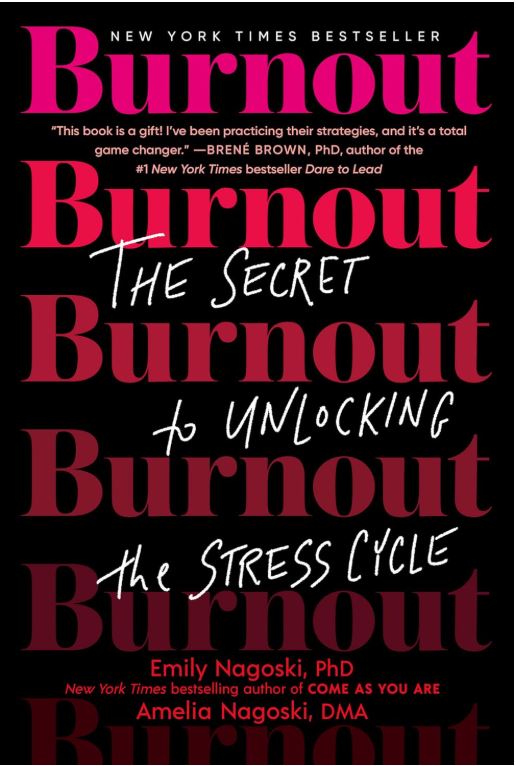
2. Burnout — Emily Nagoski and Amelia Nagoski
When Exhaustion Is Making Every Decision Feel Urgent
There’s a difference between being unhappy with your career and being completely worn down by it.
When you’re exhausted, even responsibilities you once enjoyed can begin to feel unbearable.
You may struggle to concentrate, become easily frustrated or find yourself counting the hours until you can escape.
In that state, resigning can feel like the only way to find relief.
Burnout by Emily Nagoski and Amelia Nagoski explores stress, emotional exhaustion and the importance of responding to the demands placed on our bodies and minds.
The book offers a perspective on why simply removing a source of stress doesn’t necessarily resolve every effect of prolonged stress.
For someone questioning their career, it can encourage a useful distinction.
Are you unhappy because the work no longer suits you?
Or are you so depleted that almost any job would feel difficult right now?
Sometimes both problems exist together.
Recognising that possibility may help you decide what kind of support or change you need.
Why read it? It offers insights into stress and exhaustion that may help you understand why work has become so difficult.
Best for: Readers who feel overwhelmed, emotionally drained or unable to switch off from work.
If exhaustion is persistent or significantly affecting your health, consider speaking with a qualified healthcare professional rather than relying on a book alone.
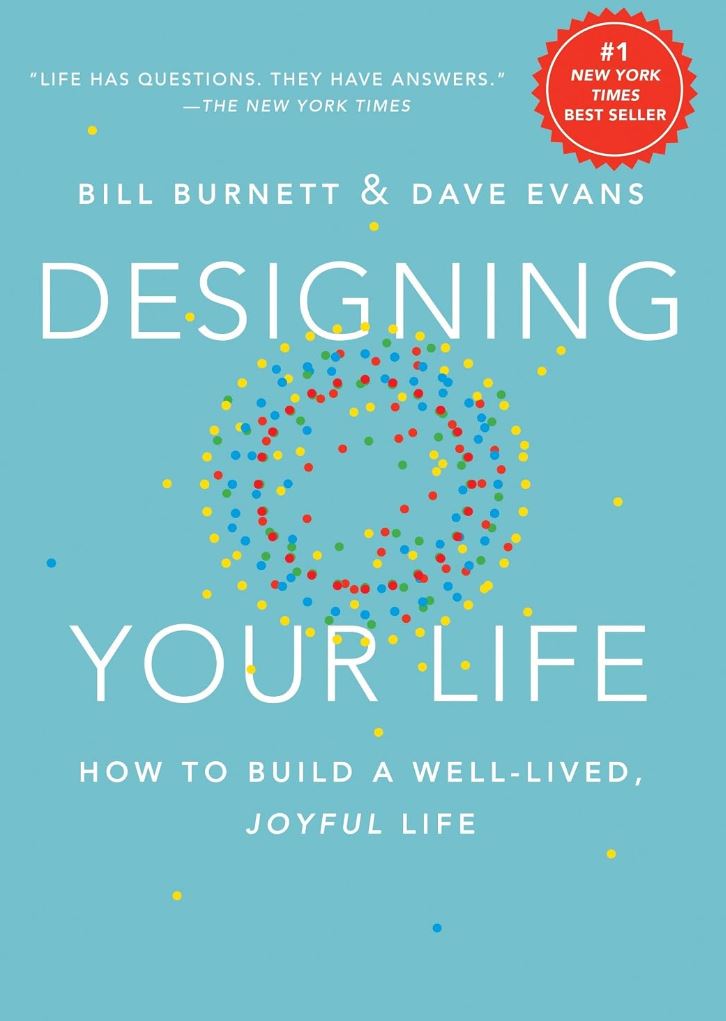
3. Designing Your Life — Bill Burnett and Dave Evans
When You Want to Leave but Don’t Know What Comes Next
One of the most frustrating situations is knowing you don’t want to stay in your current job but having no clear idea what you’d rather do.
You may have spent twenty years in the same industry.
Your experience is valuable, your income is reliable and your skills are familiar.
But the thought of continuing for another decade or two feels increasingly unappealing.
Designing Your Life by Bill Burnett and Dave Evans applies design-thinking principles to questions about careers and life direction.
Rather than expecting readers to discover one perfect answer, the book encourages them to explore possibilities and learn through experimentation.
For example, someone considering a move into training might begin by mentoring colleagues or speaking with people already working in that field.
Someone interested in another industry could investigate job requirements and opportunities before committing to retraining.
The idea is to gather information rather than make assumptions.
Why read it? It offers a practical approach to exploring alternatives when you know something needs to change but aren’t sure what.
Best for: People who want a different working future but need help identifying realistic options.
4. Quit — Annie Duke
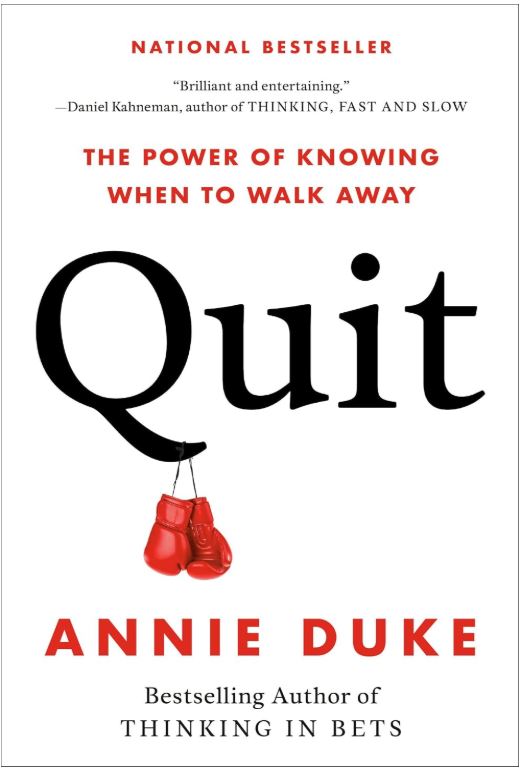
Learning When to Walk Away and When to Keep Going
Quitting often carries a negative reputation.
We’re encouraged to persevere, remain committed and push through difficult circumstances.
And persistence can certainly be valuable.
But there are times when continuing down the same path no longer makes sense.
In Quit: The Power of Knowing When to Walk Away, Annie Duke explores how people make decisions about whether to persist or stop.
The book examines why we sometimes remain committed to choices even when circumstances have changed.
One important consideration is the time and effort we’ve already invested.
If you’ve spent twenty-five years building a career, walking away can feel like admitting those years were wasted.
But past experience doesn’t become worthless simply because you choose a different future.
You may still carry valuable knowledge, professional relationships and transferable skills into your next role.
Equally, leaving isn’t automatically the right choice.
The challenge is assessing your present circumstances and future opportunities rather than allowing past investment alone to determine what happens next.
Why read it? It encourages more thoughtful decisions about when persistence is worthwhile and when changing direction may be sensible.
Best for: People who feel torn between staying because they’ve invested so much and leaving because the situation no longer feels right.
5. I Can’t Do This Job for Another 20 Years — Julian Merren
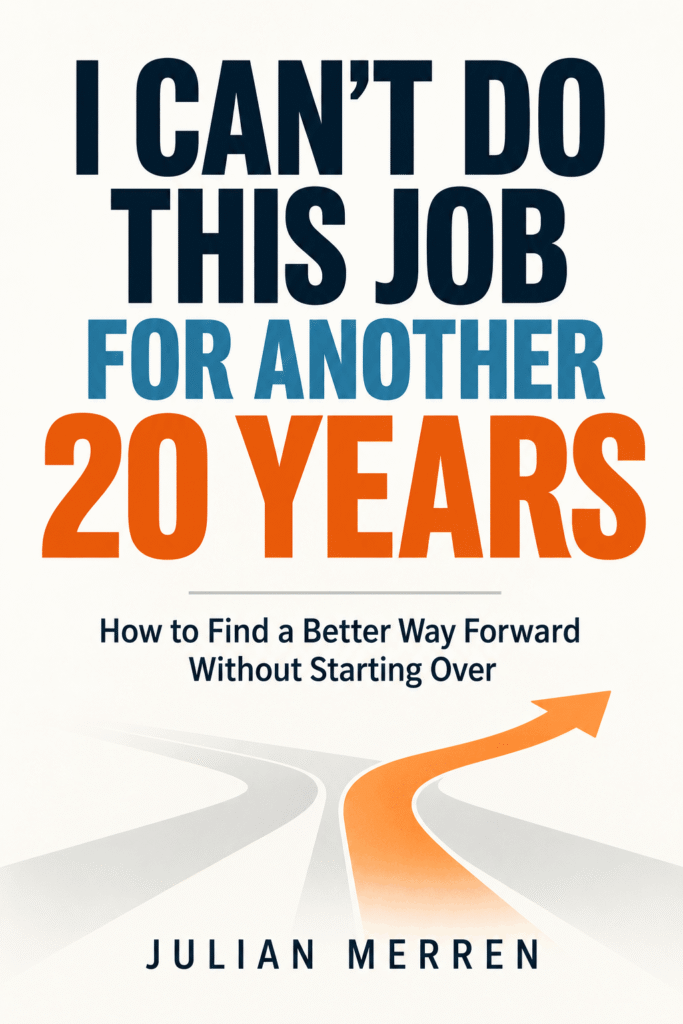
Finding a Better Way Forward Without Starting Over
Sometimes the question isn’t whether you can do your job.
You already know you can.
You’ve spent years becoming good at it.
The question is whether you want to keep doing it.
Perhaps the pressure has become too much. Maybe you’re tired of the hours, the management or the constant demands.
Or perhaps your priorities have changed, and you’re beginning to think differently about the next stage of your life.
I Can’t Do This Job for Another 20 Years by Julian Merren is written for experienced workers who feel stuck but don’t want to make an impulsive career decision.
The book encourages readers to identify what’s actually making them unhappy before deciding how much needs to change.
That might mean examining your working conditions, responsibilities, employer or the profession itself.
It also explores different levels of career change.
Perhaps another employer would provide a better environment.
Maybe a related role would allow you to use your existing skills without the same pressures.
Or perhaps a gradual move towards a different career would offer a more realistic solution than resigning immediately.
With practical exercises and a 30-day challenge, the book helps readers explore their circumstances and consider manageable next steps.
Why read it? It provides a realistic approach to career dissatisfaction for people who want change but need to protect their financial security.
Best for: Experienced workers in their 40s and 50s who want a better working future without unnecessarily starting again.
Explore the book: I Can’t Do This Job for Another 20 Years by Julian Merren.
Four Questions to Ask Before Handing In Your Resignation
Books can provide useful perspectives, but ultimately the decision needs to reflect your own circumstances.
Before leaving, consider these four questions.
1. What Exactly Is Making Me Unhappy?
Try to identify the specific problem.
Is it your manager, workload, working hours, lack of progression or the work itself?
The more clearly you understand the issue, the easier it becomes to assess your options.
2. Have I Explored Changes Within My Current Career?
Could another employer offer better conditions?
Would a different role reduce the pressure?
Is there an opportunity to negotiate responsibilities, hours or flexibility?
You may discover that you don’t need to abandon your profession to improve your working life.
3. Can I Afford to Leave?
Before resigning, review your savings, essential expenses, financial commitments and likely employment prospects.
Consider how long you could manage without income and whether additional training would be required.
Financial planning won’t remove every uncertainty, but it can help you understand the risks.
For Australian employees, it’s also worth taking time to understand your notice requirements before resigning.
4. What Would I Do Next?
You don’t need to have every detail of your future mapped out.
But it’s useful to have a realistic next step.
That might involve applying for other positions, investigating related occupations, developing a new skill or speaking with people who work in an industry you’re considering.
Even a small amount of preparation can help you make a more informed decision.
Final Thoughts: Should I Quit My Job or Find Another Way Forward?
There’s no universal answer to the question should I quit my job.
For some people, leaving is the healthiest and most practical decision.
For others, a change of employer, responsibilities or working conditions may provide the improvement they’re looking for.
And sometimes, the answer is to begin planning a larger career transition while maintaining financial stability.
The important thing is not to confuse feeling desperate for change with knowing exactly what needs to change.
These five books offer different ways to understand your dissatisfaction, question your assumptions and explore what might come next.
If you’ve spent years building a career but can’t imagine continuing in the same job until retirement, I Can’t Do This Job for Another 20 Years by Julian Merren may help you begin sorting through those questions.
You don’t have to decide your entire future today. But you can begin making a more informed decision about what comes next.